Multi-Zone Meter Surges: Isolating Inter-Floor Supply Cracks in Office Infrastructure

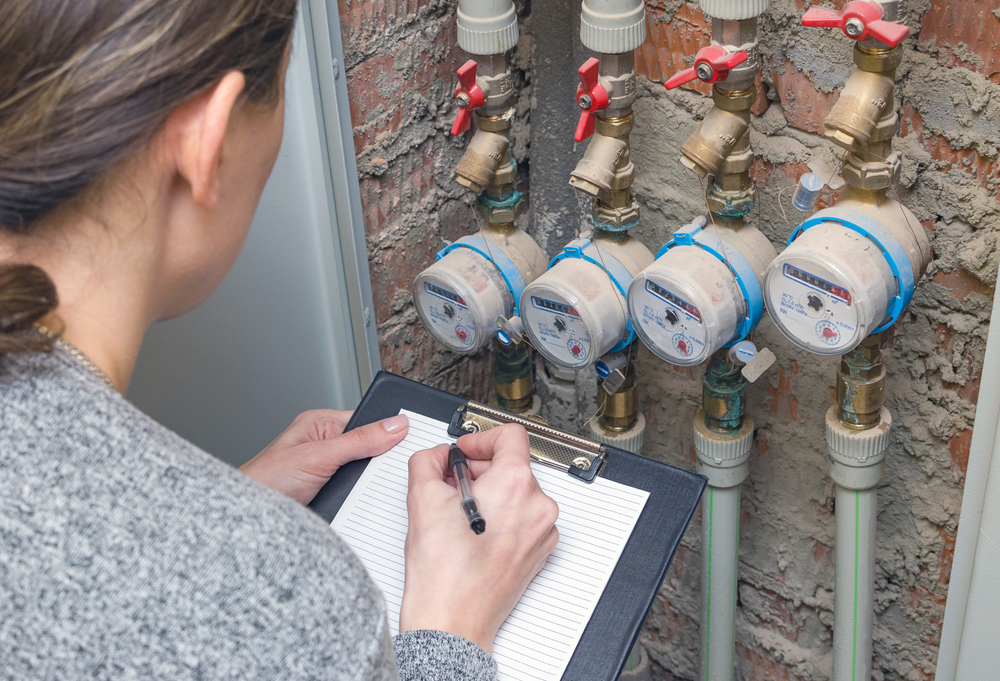
water meter reading

Unexpected spikes in water usage across commercial buildings are often not caused by a single obvious failure. In multi-story offices, municipal facilities, and corporate plazas, water systems are divided into zones that feed different floors, wings, and mechanical systems. When a hidden crack develops in an inter-floor riser or supply line, it can create sudden meter surges that look like random consumption spikes.

At Sewer Surgeons, we routinely help facility teams track these issues across complex infrastructure layouts. If you’re researching water leak detection in South Orange, NJ, understanding how multi-zone systems behave under pressure is the first step in isolating hidden water loss.

Understanding Multi-Zone Meter Behavior

Large buildings often rely on sub-metering systems that track water use by zone. These readings help identify abnormal consumption patterns, but they do not always pinpoint the exact location of a leak. When a pipe fracture occurs between floors, water may escape into structural voids before it becomes visible at any fixture.

How Pressure Drops Reveal Hidden Damage

A sudden pressure drop in one zone often indicates that water is escaping somewhere within that branch of the system. In many cases, this requires structured water leak detection procedures that compare pressure stability across multiple risers and distribution lines.

The Role of Systematic Isolation

Technicians often begin by isolating individual zones to determine where water loss is occurring. This process involves closing off sections of the system and monitoring meter response to identify which area continues to show abnormal usage patterns.

Complex Infrastructure Requires Specialized Tools

Commercial buildings may include fire suppression loops, chilled water makeup lines, and domestic supply risers that all operate simultaneously. Professional plumber leak detection methods use acoustic sensors, thermal imaging, and pressure testing to identify irregularities within these interconnected systems.

Locating Hidden Loss Without Disrupting Operations

One of the biggest challenges in commercial environments is identifying leaks without interrupting tenants or building operations. Advanced pipe leak detection techniques allow technicians to trace water movement through walls, ceilings, and mechanical chases without requiring large-scale shutdowns.

When Leaks Become Urgent

Some water loss situations escalate quickly, especially when cracks expand under continuous pressure. In these cases, emergency leak detection may be required to locate and control the source before structural damage or operational disruption occurs.

Repair Strategies After Isolation

Once the source of a leak is identified, targeted repairs can be performed based on pipe material, location, and accessibility. A focused water leak repair approach helps address the issue without unnecessary replacement of unaffected sections.

The Value of Continuous Monitoring

Commercial facilities often benefit from ongoing monitoring systems that track usage patterns over time. Professional leak detection services can help facility managers identify early warning signs before a minor fluctuation develops into significant water loss.

Tracing Loss Through Complex Distribution Systems

In large structures, water does not always travel in a straightforward path. It may move through vertical risers, concealed ceiling spaces, and mechanical corridors before escaping. Specialized water pipe leak detection methods help trace these pathways and isolate the exact point of failure.

Frequently Asked Questions

What causes sudden water usage spikes in commercial buildings?

Hidden pipe cracks, failing valves, or leaks in inter-floor supply lines are common causes of unexpected consumption increases.

Can leaks occur without visible water damage?

Yes. Water can travel through structural voids and remain hidden for some time before visible signs appear.

How are leaks found in multi-story buildings?

Technicians use pressure testing, acoustic tools, and zone isolation to identify the affected area.

Do all leaks require shutting down the building?

No. Many modern detection methods allow leaks to be located without full system shutdowns.

Commercial water systems require precision when diagnosing hidden loss across complex infrastructure. Sewer Surgeons is a third-generation family-owned company with more than three decades of experience serving residential and commercial customers. We specialize in trenchless sewer and water pipe repair and relining solutions while also providing excavation services when needed. Available 24/7, our team helps facility managers and property owners identify and resolve complex water and sewer system issues efficiently and accurately. Reach out to us today for a consultation!

When Sewer Laterals Are the City’s Responsibility (and When They’re Yours)

sewer lateral

Many homeowners are surprised to learn that not every sewer pipe connected to their property belongs to the city. When a sewer problem occurs, one of the first questions is often who is responsible for fixing it. The answer depends on where the damage is located. In most communities, the property owner is responsible for the sewer lateral that connects the home to the municipal sewer main, while the city typically maintains the public sewer system beyond that connection point. Understanding the difference can help homeowners avoid confusion when drainage problems arise.

At Sewer Surgeons, we frequently help property owners identify where issues are occurring and who may be responsible for addressing them. If you’re researching sewer line repair in Millburn, NJ, it is important to understand how sewer lateral ownership works.

What Is a Sewer Lateral?

A sewer lateral is the pipe that carries wastewater from your home to the municipal sewer main beneath the street. While ownership rules can vary by municipality, homeowners are often responsible for maintaining the portion of the lateral located on private property and, in some cases, portions extending toward the street connection.

Where City Responsibility Typically Begins

The public sewer main generally falls under municipal ownership and maintenance. If a blockage, collapse, or defect occurs within the city-owned main, the municipality is usually responsible for investigating and addressing the issue.

Problems Often Start on the Private Side

Many common sewer issues originate within privately owned lateral lines.

Examples include:

  • Root intrusion
  • Pipe corrosion
  • Cracked pipe sections
  • Settling soil
  • Grease accumulation
  • Offset pipe joints

These conditions often require professional evaluation and repair.

The First Step Is Finding the Exact Location

Before responsibility can be determined, the affected area must be identified. A professional sewer line inspection can help locate the problem and determine whether it exists within the homeowner’s lateral or the municipal sewer system.

Damage Does Not Always Mean Full Replacement

Not every sewer issue requires an entirely new pipe. In some situations, targeted sewer pipe repair can address isolated defects while preserving the remaining sections of the line.

When More Extensive Work Is Needed

Certain sewer lines experience widespread deterioration, recurring root intrusion, or structural failure. Under those circumstances, sewer line replacement may be recommended based on the overall condition of the pipe.

Modern Solutions Can Reduce Excavation

Homeowners are often concerned about damage to driveways, landscaping, patios, and walkways during sewer work. Depending on the pipe condition, trenchless sewer repair may provide a way to restore functionality while minimizing surface disruption.

Sewer Problems Don’t Always Wait for Business Hours

Some sewer issues create immediate health, sanitation, or property concerns. In these situations, emergency sewer line repair may be necessary to address backups, overflows, or sudden pipe failures as quickly as possible.

Comprehensive Support Often Involves Multiple Solutions

Every sewer system presents unique challenges depending on age, materials, location, and condition. Professional sewer line services may include inspections, cleaning, repairs, rehabilitation, and replacement recommendations based on the findings.

Choosing the Right Team Matters

Determining ownership responsibilities can be complicated, particularly when property lines, easements, or connection points are involved. Experienced sewer repair contractors can help homeowners understand the source of the issue and identify appropriate next steps.

Looking at the Entire System

A sewer lateral does not operate independently from the rest of the drainage network. In some cases, broader sewer system repair recommendations may be necessary when multiple components contribute to recurring drainage problems.

Frequently Asked Questions

How do I know if the city or homeowner is responsible?

Responsibility often depends on where the damage is located. A professional inspection can help identify the affected section.

What is a sewer lateral?

A sewer lateral is the pipe that connects a home or building to the municipal sewer main.

Can tree roots affect a sewer lateral?

Yes. Root intrusion is one of the most common causes of sewer line damage and blockages.

Does the city pay for sewer line repairs on private property?

In most cases, homeowners are responsible for repairs involving privately owned sewer lateral lines.

Understanding Sewer Responsibilities Helps Prevent Delays

Understanding who owns which portion of the sewer system can save time when problems arise. Sewer Surgeons is a third-generation family-owned company with more than three decades of experience serving residential and commercial customers. We specialize in trenchless sewer and water pipe repair and relining solutions while also providing excavation services when needed. Available 24/7, our team helps property owners better understand their sewer infrastructure and available repair options.

Why Your Kitchen Sink Clogs Every Few Months (And How to Break the Cycle)

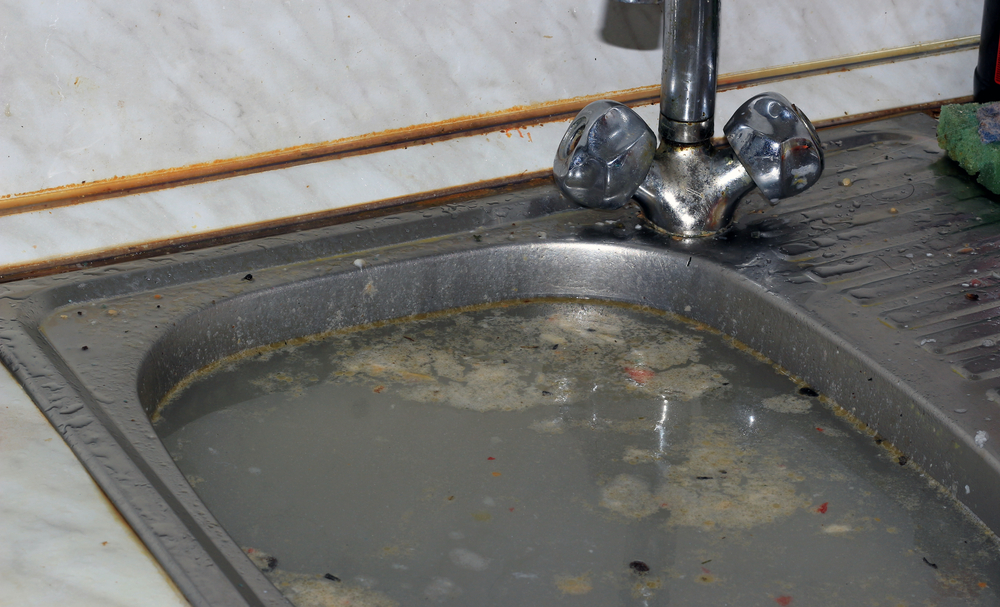
clogged kitchen sink

If your kitchen sink seems to clog every few months, the blockage itself is usually not the real problem. Recurring clogs often point to buildup that has been accumulating inside the pipe for months or even years. Grease, food particles, soap residue, and other debris can gradually narrow the drain’s interior, making it easier for new material to get trapped. While a temporary fix may restore drainage for a short time, the underlying issue often remains.

At Sewer Surgeons, we frequently help homeowners identify the root causes of recurring kitchen sink problems. If you’re researching drain cleaning in Summit, NJ, understanding why these clogs keep returning is the first step toward breaking the cycle.

The Biggest Culprit Is Often Grease

Many kitchen sink clogs begin with cooking grease and fats. Even when grease is poured down the drain as a liquid, it can cool and solidify inside the pipe. Over time, this sticky layer traps food scraps and debris, gradually reducing the available space for water to pass through.

Common Habits That Contribute to Recurring Clogs

A few everyday habits can increase the likelihood of drain buildup:

  • Washing food scraps into the sink
  • Pouring cooking oils down the drain
  • Rinsing coffee grounds into the disposal
  • Allowing grease-coated dishes to drain directly into the pipe
  • Using excessive amounts of soap or detergent

These materials can accumulate slowly until drainage problems become noticeable.

The Problem May Extend Beyond the Kitchen Sink

Sometimes the blockage is not located directly beneath the sink. Buildup can develop farther down the line, where homeowners cannot easily see it. Professional drain cleaning services can help identify whether the issue is isolated to the kitchen drain or connected to a larger section of piping.

Kitchen Drains Connect to a Larger System

Many homeowners focus on the sink itself without considering how it connects to the rest of the drainage network. In some situations, sewer cleaning may be recommended when buildup or restrictions extend beyond the branch drain and affect the main sewer line.

Warning Signs That a Larger Issue May Be Developing

Recurring clogs often produce additional symptoms before a complete blockage occurs:

  • Slow drainage
  • Gurgling sounds
  • Water backing up into nearby fixtures
  • Unpleasant odors near drains
  • Multiple fixtures draining slowly

These signs can indicate a problem that extends beyond a single sink.

Looking at the Entire Drainage Network

Persistent kitchen drain issues sometimes require a broader evaluation of the home’s plumbing system. Comprehensive drain & sewer services can help identify contributing factors that affect overall drainage performance.

Thorough Cleaning Removes More Than the Immediate Blockage

Store-bought products and basic plunging methods often create a temporary opening through the obstruction without removing all accumulated material. Professional sewer and drain cleaning targets buildup along the pipe walls, helping restore more of the pipe’s original carrying capacity.

When a Clog Becomes an Urgent Problem

A sink that suddenly stops draining or begins backing up significantly can disrupt daily routines and create sanitation concerns. In these situations, emergency drain cleaning may be necessary to quickly address the blockage and restore proper drainage.

Long-Term Solutions Require More Than Quick Fixes

Recurring kitchen sink problems often continue until the source of the buildup is properly addressed. Professional drain services can help homeowners understand what is contributing to the problem and recommend appropriate corrective measures.

Don’t Ignore Repeat Blockages

One occasional clog is not unusual. Repeated backups, however, deserve closer attention. Frequently clogged drains often indicate that debris, grease, root intrusion, or pipe defects are affecting the system’s ability to carry wastewater efficiently.

Frequently Asked Questions

Why does my kitchen sink keep clogging?

Grease, food debris, soap residue, and buildup inside the drain pipe are among the most common causes.

Can a garbage disposal prevent clogs?

A garbage disposal can reduce food waste, but it does not eliminate the risk of drain buildup.

Are chemical drain cleaners a permanent solution?

Most chemical cleaners provide temporary results and may not remove all accumulated debris.

How often should kitchen drains be professionally cleaned?

The answer depends on household usage patterns, but recurring clogs often indicate that professional evaluation may be beneficial.

Get Practical Solutions for Recurring Drain Problems

A recurring kitchen sink clog is often a sign that something deeper is happening inside the drainage system. Sewer Surgeons is a third-generation family-owned company with more than three decades of experience serving residential and commercial customers. We specialize in trenchless sewer and water pipe repair and relining solutions while also providing excavation services when needed. Available 24/7, our team helps property owners better understand their sewer and drain system options and identify practical solutions for ongoing drainage concerns.

Why the Biggest Storms Are Most Likely to Kill Your Pump

sump pump

The storms that bring the greatest flooding risk often create another problem at the exact same time: power outages. Heavy rain, strong winds, and lightning can knock out electricity when homeowners need their sump pump most. A sump pump may be fully functional, but without power, it cannot move water away from your home. That is why backup protection is an important part of flood prevention.

At Sewer Surgeons, we regularly help homeowners understand how storm-related power failures affect basement flooding risks. If you’re looking at sump pumps in Chatham Township, NJ, it is important to understand what happens when severe weather takes both your power and your primary pump out of service.

Your Primary Pump Depends on Electricity

Most residential sump pumps rely entirely on household power. When electricity is interrupted, the pump stops operating immediately. Unfortunately, the strongest storms are often the same events that place the greatest demand on basement drainage systems.

Heavy Rain Increases Water Pressure Around the Foundation

According to the U.S. Geological Survey, intense rainfall can rapidly increase groundwater levels around a property. As water accumulates in the soil, hydrostatic pressure builds against foundation walls and beneath basement floors. A functioning sump pump helps remove excess water before it can create flooding concerns inside the home.

A Backup System Can Keep Water Moving

A dedicated battery backup system provides temporary pumping capability when utility power is unavailable. Many homeowners choose to include backup protection during a sump pump installation project so the system is prepared before severe weather arrives.

Lightning Can Damage Electrical Components

Even when a power outage does not occur, lightning strikes and electrical surges can affect sensitive pump controls and related equipment. If a storm leaves a pump unable to operate properly, professional sump pump repair may be needed to identify damaged components and restore functionality.

Routine Service Helps Identify Vulnerabilities

Backup systems, switches, batteries, and discharge lines all benefit from periodic inspections. Professional sump pump maintenance allows technicians to evaluate system condition and identify developing issues before storm season arrives.

Not Every Pump Lasts Forever

Like any mechanical equipment, sump pumps experience wear over time. Motors, switches, and internal components gradually deteriorate through normal operation. In some situations, sump pump replacement may be recommended when age or reliability becomes a concern.

Water-Powered Backups Offer Another Layer of Protection

Some homeowners install water-powered backup pumps that operate independently of electricity. These systems use municipal water pressure to help remove water during power failures. A professional evaluation can help determine which backup approach is best suited for a property’s specific needs.

Fast Response Matters During a Storm

Flooding conditions can develop quickly when a primary system fails during severe weather. Access to emergency sump pump service can help homeowners address unexpected problems that occur during or immediately after a major storm event.

A Complete System Is More Than the Pump Alone

Many homeowners focus only on the primary pump while overlooking the rest of the system. Comprehensive sump pump services often include inspections of discharge lines, check valves, backup equipment, and drainage components that support overall system performance.

Frequently Asked Questions

Can a sump pump work during a power outage?

A standard electric sump pump cannot operate without power unless a backup system is available.

How long does a battery backup sump pump last?

The runtime depends on battery capacity, pump demand, and water volume entering the sump pit.

Are water-powered backup pumps effective?

They can provide valuable backup protection when installed under appropriate conditions and with adequate municipal water pressure.

How often should a sump pump be inspected?

Many homeowners benefit from annual inspections, particularly before periods of heavy rainfall.

Prepared Systems Perform Best in Severe Weather

Severe storms often test every part of a home’s drainage system at once. Sewer Surgeons is a third-generation family-owned company with more than three decades of experience serving residential and commercial customers. We specialize in trenchless sewer and water pipe repair and relining solutions while also providing excavation services when needed. Available 24/7, our team helps property owners better understand their drainage and sewer system options before problems become emergencies.


Environmental Benefits of CIPP: Why It’s the Greener Choice

lined pipe interiors

Replacing old or damaged pipes doesn’t have to come at a huge environmental cost. Sewer Surgeons offers CIPP pipe lining in Berkeley Heights, NJ, as a trenchless solution that reduces waste, minimizes disruption, and preserves resources. Understanding why this method is considered eco-friendly helps homeowners and businesses make smarter choices for their plumbing systems.

Less Excavation, Less Waste

Traditional pipe replacement often requires digging trenches through yards, streets, and driveways. This not only disturbs landscaping but also produces excess soil and construction debris. Trenchless pipe lining minimizes excavation, keeping your property intact while reducing landfill waste.

Reduced Water and Energy Use

Trenchless pipe lining methods use less water than traditional repairs because there’s no need to flush long sections of exposed pipe. Additionally, restoring pipes without full replacement conserves energy typically used in manufacturing, transporting, and installing new materials. Trenchless plumbing methods preserve both energy and water resources during repairs.

Longer-Lasting Pipes

CIPP creates a durable, corrosion-resistant lining inside your existing pipes. Longer-lasting infrastructure means fewer replacements over time, which translates to less raw material consumption and reduced environmental impact. Going the trenchless sewer line repair route also helps prevent leaks that can contaminate soil and water.

Fewer Chemicals and Disruptions

Since CIPP minimizes digging, it reduces the need for chemical cleaners and heavy machinery that might otherwise be used to access or repair traditional pipes. This keeps both the environment and your property safer while maintaining pipe integrity.

Quick Installation with Minimal Carbon Footprint

Trenchless pipe lining is faster than conventional replacement, reducing transportation and labor emissions. Pipe lining services can often be completed in a day, meaning fewer trucks on the road, less fuel consumption, and a smaller overall carbon footprint.

FAQs

Is CIPP safe for my family and pets?

Yes. Modern CIPP materials are non-toxic once cured and safe for residential and commercial use.

How long does trenchless pipe lining last?

CIPP liners typically last 50 years or more with proper maintenance.

Can all types of pipes be lined with CIPP?

Most sewer and drain pipes can be treated with trenchless lining, but a professional inspection ensures suitability.

Does trenchless plumbing affect landscaping?

Minimal excavation means little to no disruption to yards, gardens, or hardscaping.

Make the Greener Choice

CIPP pipe lining is an eco-friendly way to repair or restore pipes without the environmental cost of traditional replacement. Sewer Surgeons provides expert trenchless pipe repair and replacement services with fully insured technicians. By choosing trenchless methods, you’re protecting your home and the environment at the same time. Drop us a line to schedule a service today!

The Most Overlooked Plumbing Maintenance Tasks That Prevent Major Repairs

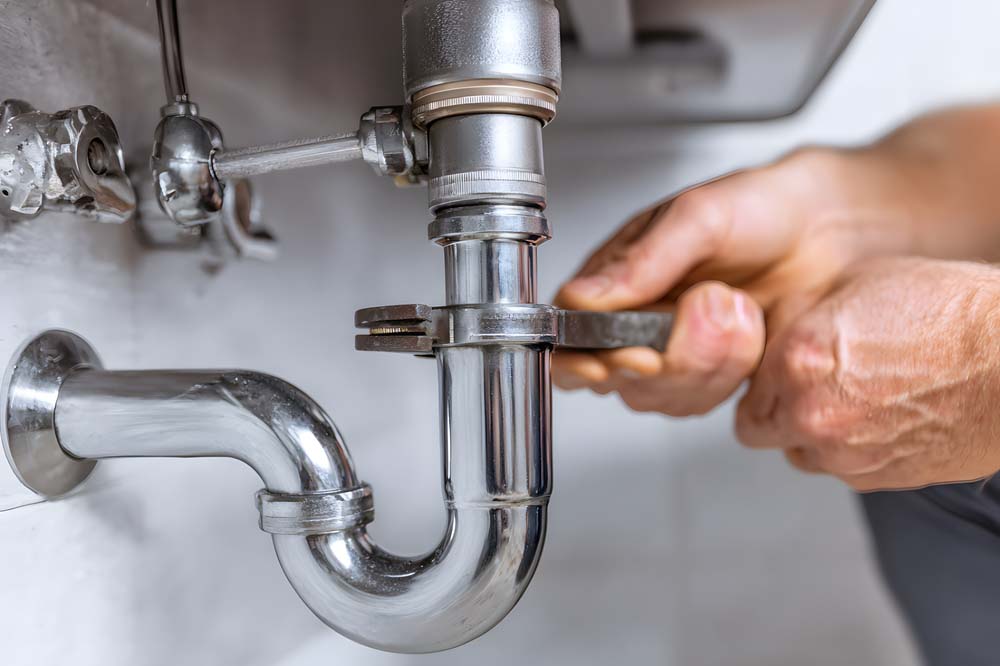
pipe being tightened by a plumber

When it comes to plumbing, the little things often make the biggest difference. Skipping routine maintenance can turn a small issue into a costly emergency. For homeowners and business owners alike, having a trusted plumber in Westfield, NJ, can mean the difference between smooth operation and unexpected damage. Understanding which tasks are commonly overlooked helps you stay ahead of problems.

Check for Hidden Leaks

Small leaks can quietly waste water and cause long-term damage. Pipes under sinks, behind walls, or under slabs may go unnoticed until a serious problem develops. Regular water leak detection prevents these hidden issues from becoming major repairs and protects both your property and your plumbing investment.

Maintain Drains and Toilets

Clogged or slow drains are often ignored until water starts backing up. Routine inspections and maintenance for your kitchen sinks, showers, and toilets reduce the risk of backups and prevent the need for clogged toilet repair or more extensive sewer line work.

  • Inspect and clean sink traps
  • Check toilet flushing performance
  • Remove buildup in shower drains

Service Your Sump Pump

Sump pumps protect your basement from flooding, yet they’re often overlooked until water is already pooling. Testing your sump pump regularly and performing minor maintenance helps it work properly when you need it most. Sump pumps that aren’t maintained can fail during storms, causing preventable water damage.

Inspect Water Pressure and Piping

Excessive water pressure or outdated pipes can accelerate wear and lead to leaks or bursts. Whether it’s repiping old lines or monitoring pressure, regular attention keeps your plumbing system in top condition.

Look for Slab Leaks

Slab leaks develop under concrete floors and are extremely damaging if ignored. Homeowners rarely notice them until significant water damage occurs. Scheduling routine inspections with professionals trained in slab leak repair ensures early detection and minimal disruption.

Check Kitchen and Commercial Plumbing

Kitchens are high-traffic areas for plumbing issues. Grease buildup, leaky faucets, and small pipe issues can snowball into major repairs. Similarly, businesses rely on functional plumbing for daily operations. Routine attention to commercial plumbing reduces downtime and costly service calls.

FAQs

How often should plumbing maintenance be performed?

Most homeowners benefit from professional plumbing services once a year, while commercial properties may need semi-annual inspections.

Can small leaks really cause major damage?

Yes, even minor leaks can lead to water damage, mold growth, and structural issues if left unaddressed.

What’s the first sign I need sump pump maintenance?

Any unusual noises, slow water removal, or visible debris in the sump pit are indicators it’s time for service.

Are slab leaks common in older homes?

Yes, homes with aging concrete floors and plumbing systems are particularly prone to hidden slab leaks.

Keep Your Plumbing Running Smoothly

Routine maintenance is the key to avoiding major repairs. Sewer Surgeons provides expert plumber services in Westfield, NJ, including leak detection, drain cleaning, sump pump service, and comprehensive plumbing inspections. Our emergency-ready, fully insured team guarantees satisfaction, helping homeowners and businesses prevent small issues from turning into major disruptions. Contact us today to schedule a service!

How Landscaping Choices Outside Can Cause Clogged Drains Inside

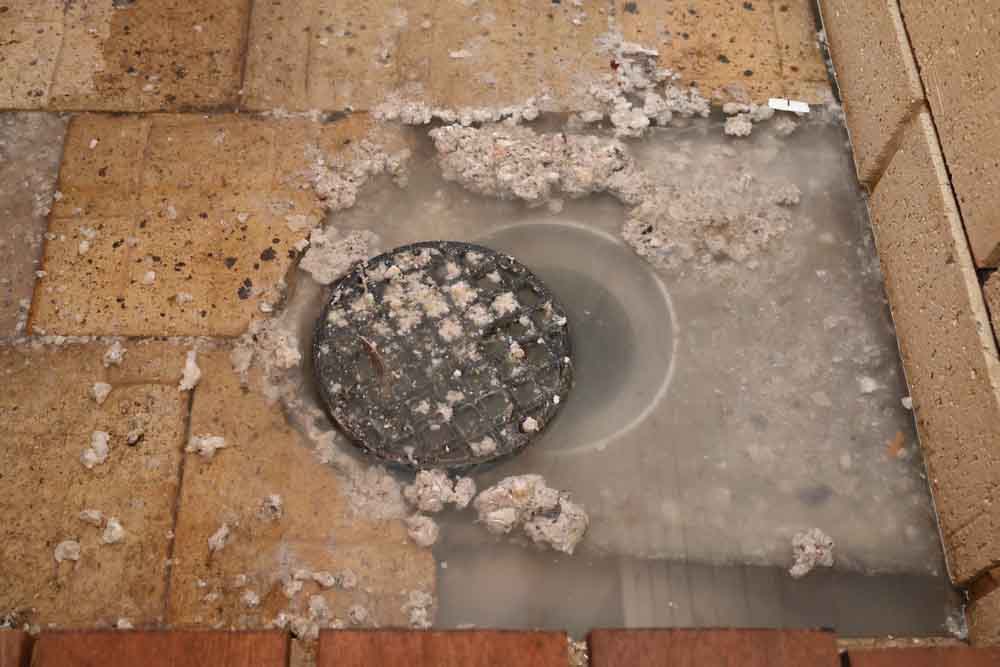
severely clogged drain

Your yard might look great on the surface, but what’s happening underground can directly impact your plumbing. Roots, soil movement, and even the way water drains across your property can all affect how well your pipes perform. For homeowners dealing with recurring backups, Sewer Surgeons offers drain cleaning in South Orange, NJ. We understand that these issues often start beyond the walls of the home and help connect these outdoor factors to the issues happening inside.

How Tree Roots Find Your Pipes

Tree roots naturally seek out moisture, and your sewer line is a prime target. Even small cracks or joints in pipes can attract roots, which grow and expand over time. As they spread, they trap debris and restrict water flow, leading to slow or blocked drains. Routine drain and sewer cleaning can help remove early root intrusion before it turns into a larger obstruction that affects your entire system.

Poor Drainage Around Your Home

Landscaping that slopes toward your home can push excess water into the soil surrounding your pipes. Over time, this added pressure can shift pipes or allow debris to settle inside them.

  • Water pooling near your foundation increases underground pressure
  • Saturated soil can cause pipes to shift or misalign
  • Debris can enter small gaps and build up inside the line

Professional drain cleaning services help clear out buildup caused by these conditions and restore proper flow.

Mulch, Soil, and Debris Buildup

Loose materials like mulch and soil can wash into outdoor drains during heavy rain. Once inside, they combine with grease and waste to form stubborn clogs. This type of buildup often goes unnoticed until water starts draining slowly inside the home. Regular maintenance through drain services keeps these materials from accumulating and causing larger problems over time.

Hardscaping and Pipe Pressure

Installing patios, walkways, or driveways adds weight to the ground above your pipes. If not planned carefully, this pressure can affect how your pipes sit underground. Even slight shifts can disrupt flow and lead to recurring clogs. Working with experienced professionals who understand both landscaping and drain & sewer services helps prevent these issues before they start.

Signs Your Landscaping Is Affecting Your Drains

  • Slow drains throughout the home
  • Gurgling sounds from sinks or tubs
  • Water backing up after heavy rain
  • Frequent buildup in multiple drains

When these signs appear, it often points to a larger issue beyond clogged drains. Addressing both the indoor and outdoor factors is key to solving the problem fully.

FAQs

Can tree roots really clog indoor drains?

Yes. Roots can enter sewer lines and restrict flow, which affects all drains connected to that system.

How often should I schedule drain cleaning?

Most homes benefit from professional cleaning every 1–2 years, especially if landscaping contributes to buildup.

Will landscaping changes fix my drain issues?

They can help prevent future problems, but existing clogs still need to be cleared first.

What’s the difference between drain cleaning and sewer cleaning?

Drain cleaning focuses on indoor lines, while sewer cleaning addresses the main line connecting your home to the system.

Protect Your Home from the Outside In

Clogged drains often start where you least expect them. Sewer Surgeons provides complete sewer and drain cleaning solutions to keep your system working properly. With emergency services, fully insured technicians, and 100% guaranteed satisfaction, we help homeowners stop recurring clogs at the source! Call us for all drain cleaning needs.

How to Protect New Sewer Lines After Replacement

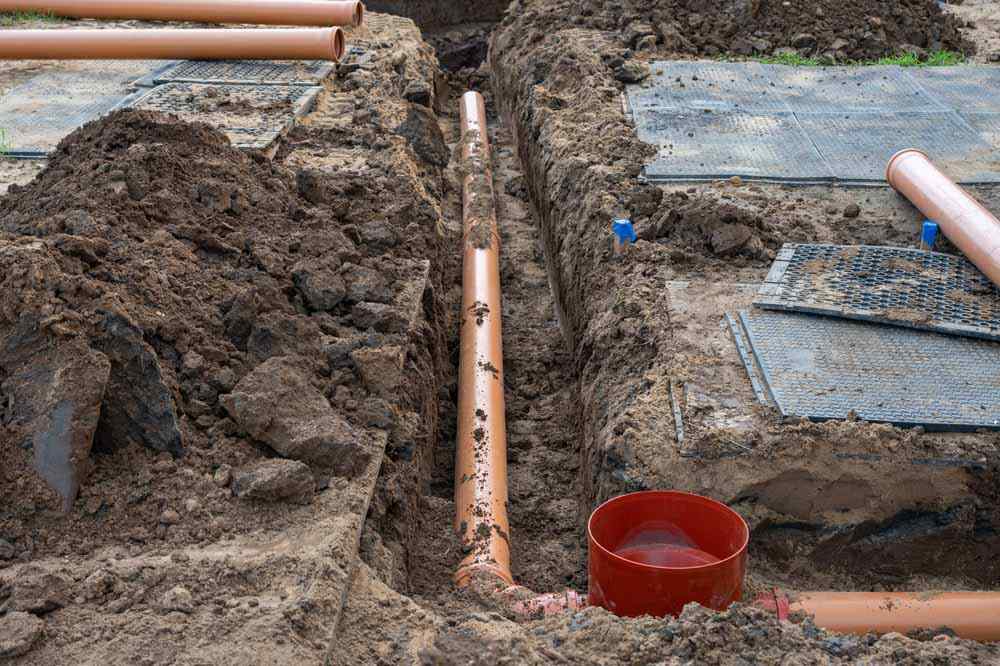
exposed sewer pipe lines

Installing a new sewer line is only the first step toward a healthy plumbing system. Sewer Surgeons specializes in sewer line repair in Millburn, NJ, helping homeowners protect their investment from threats like tree roots, shifting soil, and heavy loads. With the right precautions, your new lines can perform reliably for years.

Watch What Goes Down the Drain

New sewer lines are built to handle everyday household use, and keeping them clear of wipes, grease, or large amounts of hair helps maintain that performance. Regular attention and proper care support smooth flow and reduce the likelihood of requiring sewer pipe repair, keeping your system running efficiently for years.

Keep Roots Away

Tree roots are one of the most common causes of sewer line damage. Even minor intrusion can compromise a new pipe. Consider landscaping strategies that keep trees and shrubs at least 10–15 feet from sewer lines. Regular sewer line inspection procedures help spot root intrusion early before it causes significant damage.

Monitor Water Flow and Pressure

Changes in water flow, slow drains, or gurgling sounds can indicate a problem with your sewer line. Catching these early allows for trenchless sewer repair or minor adjustments before more invasive repair becomes necessary. Being proactive reduces the risk of emergency situations.

Limit Heavy Loads on Your Property

Sewer lines can be affected by excessive weight above ground. Avoid parking heavy vehicles over areas where your line runs, and be cautious during landscaping or construction projects. Sewer system repair experts warn that even new pipes can shift or crack under repeated pressure.

Routine Maintenance Checks

Scheduling periodic maintenance with trusted contractors helps maintain the health of your new sewer lines. Professionals can clear minor blockages, perform inspections, and ensure that your system remains in top condition. Early intervention is always easier than emergency sewer line repair.

FAQs

How often should I have my sewer lines inspected?

Most homeowners benefit from a professional inspection every 1–2 years, especially after a sewer line replacement.

Can tree roots damage a new sewer line?

Yes. Roots can penetrate joints or cracks, so keeping trees away and monitoring your line is essential.

What signs indicate a problem with my sewer line?

Slow drains, foul odors, gurgling sounds, or wet patches in the yard are common indicators.

Is trenchless sewer repair an option for new lines?

Yes. Even new lines can sometimes require trenchless repair to fix minor issues without digging up your property.

Protect Your Investment

New sewer lines are a significant upgrade for your home, and taking steps to protect them makes a real difference. Sewer Surgeons is the leading name among local sewer repair contractors. Our team provides reliable sewer line repair in Millburn, NJ, and ongoing services to keep your system functioning properly. We are ready to help with inspections, maintenance, or emergency sewer line repair so that your plumbing is covered from day one!

Hydro Jetting vs. Snaking: Why a “Clear” Pipe Isn’t Always a “Clean” Pipe

clear pipe interior

When it comes to clearing stubborn clogs in your pipes, many homeowners face a common question: Is hydro jetting really worth it, or is snaking enough? While both methods aim to restore the flow of water, they work in completely different ways, and they can yield very different results. As the leading service provider of hydro jetting in Summit, NJ, Sewer Surgeons always stresses the importance of understanding how these two techniques compare, especially when it comes to long-term pipe health.

The Snaking Approach: A Quick Fix

Snaking a drain involves pushing a long, flexible cable through the pipe to break through a clog. While it can clear the immediate blockage, it doesn’t address the underlying cause. The snake might poke a hole through the clog, but it doesn’t scrub away the buildup of grease, minerals, or scale that lines the pipe walls. This is why snaking can be a temporary solution. While the pipe may appear clear after the job is done, the buildup remains, meaning clogs are likely to return. For a more thorough solution, professional hydro jetting services offer a much more comprehensive approach.

Hydro Jetting: Scrubbing the Walls Clean

Hydro jetting uses high-pressure water streams to “scrub” the inside of your pipes, blasting away not just the clog but also the grease, scale, and buildup that form the base for future blockages. This process clears the entire diameter of the pipe, which helps prevent recurring clogs and improves overall flow. Whether it’s grease buildup from years of cooking or mineral deposits from hard water, sewer hydro jetting removes all of it, leaving your pipes cleaner than they’ve been in years. This method is particularly useful for older plumbing systems where buildup has accumulated over time.

  • Hydro jetting clears out clogs and prevents them from coming back
  • Snaking only clears the immediate blockage without addressing buildup
  • High-pressure water works on nearly all types of clogs

For homeowners in Summit, NJ, who want a more thorough and long-lasting solution, hydro jetting service provides a clean, effective way to restore your pipes to their optimal condition.

The Long-Term Benefits of Hydro Jetting

While snaking may solve the problem for now, it doesn’t offer lasting results. Hydro jetting, on the other hand, can significantly extend the time before you’ll need another intervention. By fully cleaning your pipes, it helps maintain smoother water flow and reduces the likelihood of blockages recurring. Additionally, high-pressure hydro jetting helps maintain the integrity of your plumbing system. Over time, chemical cleaners or snaking can wear down your pipes, but hydro jetting, when done properly, won’t cause damage.

When to Call Hydro Jetting Contractors

If you’re dealing with frequent drain backups or slow drainage, it might be time to call in the professionals for emergency hydro jetting. If snaking hasn’t worked or your pipes are consistently clogged, it’s time to look at a more thorough solution. Hydro jetting clears out even the most stubborn debris, giving your pipes the deep clean they need.

FAQs

Can I use hydro jetting on any type of pipe?

Yes, hydro jetting contractors can safely use this technique on most types of pipes, including PVC, cast iron, and copper.

How often should I get hydro jetting services?

If you’re experiencing recurring clogs or slow drainage, it’s a good idea to schedule hydro jetting once every 1–2 years to keep your pipes in top shape.

Is hydro jetting safe for older plumbing systems?

Yes, hydro jetting services are safe for most older systems, but it’s always best to consult a professional to ensure your pipes can handle the high pressure.

How long does the hydro jetting process take?

Depending on the size of your system and the severity of the buildup, the process typically takes a few hours, but it’s much faster and more effective than snaking.

Get Your Pipes Cleaned the Right Way

For a truly clean pipe that lasts, hydro jetting is the clear winner. Whether you need routine maintenance or emergency hydro jetting, Sewer Surgeons provides high-pressure hydro jetting services designed to restore your pipes to perfect working condition. With fully insured technicians and 100% guaranteed satisfaction, we ensure your plumbing is clear and stays clear. Reach out to us today to schedule an appointment!

Submersible vs. Pedestal: Which Sump Pump Style Belongs in Your Basement?

sump pumps

Two homes can face the same storm and have completely different outcomes, all because of the sump pump sitting in the pit. One runs quietly and clears water fast. The other is louder, slower, and harder to rely on during peak demand. The difference often comes down to design. For homeowners comparing sump pumps in Chatham, NJ, you need to understand how submersible and pedestal pumps behave, which makes the decision much clearer.

How Each Pump Style Works

Submersible sump pumps sit inside the sump pit, fully submerged in water. The motor is sealed and designed to operate underwater. This setup keeps noise low and allows the pump to handle higher volumes of water efficiently. Regular sump pump services help ensure this system stays in peak condition, preventing any unexpected failures during heavy rainfall.

Pedestal sump pumps, on the other hand, have a motor mounted above the pit. Only the intake pipe sits in the water. This design keeps the motor dry and easier to reach, but it also makes the unit louder during operation.

Noise and Basement Comfort

If your basement is finished or used as living space, noise matters. Submersible pumps are much quieter because the surrounding water helps dampen sound. Pedestal pumps tend to produce a noticeable hum or vibration when running.

For homeowners prioritizing comfort, especially in finished basements, submersible models are often the preferred choice. If your pump runs frequently during storms, the difference in noise becomes even more noticeable.

Durability and Performance

Submersible pumps are built for heavy-duty performance. Their sealed design protects internal components from debris and moisture. They also handle higher water volumes, which is important during heavy rainfall.

Pedestal pumps have fewer components exposed to water, which can make them last longer in some cases. However, they are generally less powerful and may struggle during high water flow events.

  • Submersible pumps handle higher capacity and run more efficiently
  • Pedestal pumps are simpler in design and easier to access
  • Submersible units are better suited for high-demand situations
  • Pedestal units work well in smaller or less demanding systems

If your system is struggling, professional sump pump repair work can help determine whether your current setup is still effective.

Maintenance and Service Access

One of the biggest advantages of pedestal pumps is accessibility. Since the motor sits above the pit, it’s easier to inspect and service. This can simplify routine sump pump maintenance and minor adjustments.

Submersible pumps require removing the unit from the pit for inspection, which can take more time. However, their sealed design often reduces how frequently service is needed.

Choosing the Right Fit

The best pump for your home depends on your basement layout and how often your system runs.

  • Choose submersible if you want quiet operation and higher performance
  • Choose pedestal if you prefer easier access and simpler servicing
  • Consider how often your pump runs during storms
  • Factor in whether your basement is finished or unfinished

Working with experienced sump pump contractors helps match the right system to your home’s needs and water conditions.

FAQs

Which sump pump lasts longer?

Pedestal pumps can last longer due to their dry motor, but submersible pumps offer better overall performance.

Are submersible pumps worth the cost?

Yes. They provide quieter operation and handle higher water volumes more effectively.

Can I switch from pedestal to submersible?

Yes. A professional can upgrade your system during a sump pump replacement.

What if my pump fails during a storm?

Immediate help is available through emergency sump pump service to prevent flooding and water damage.

Get the Right Pump for Your Basement

Choosing the right sump pump is about more than preference. Sewer Surgeons provides expert sump pump installation backed by emergency services, fully insured technicians, and 100% guaranteed satisfaction. Whether you need an upgrade, repair, or a full system replacement, we help protect your basement with the right solution for your home!