Two calls come into local plumbers more often than any other: something got flushed or rinsed down that shouldn’t have, or grease from last night’s dinner turned a pipe into a bottleneck. Sewer Surgeons see these patterns across Chatham and Summit homes on a regular basis. Toys, wipes, cotton swabs, and cooking fat are common causes of residential drain blockages. Below, we break down how each culprit works, what warning signs to watch for, and when drain cleaning in Chatham, NJ becomes the fastest way back to normal.
What Foreign Objects Commonly Clog Home Drains?
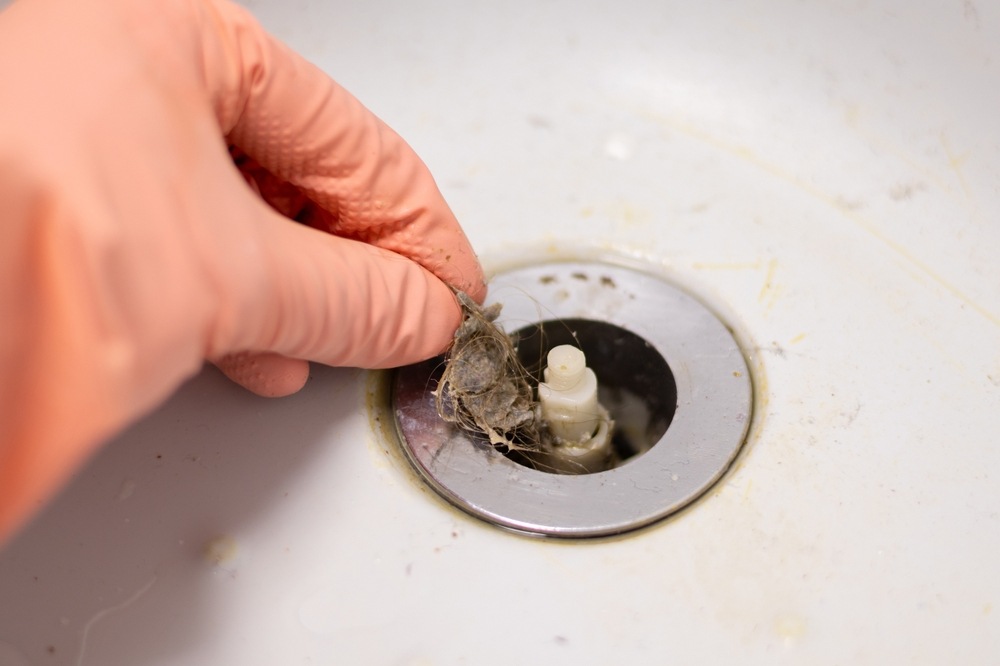
Bathrooms and kitchens are the two rooms where foreign objects cause the most trouble. Kids drop toys into toilets. Wipes labeled flushable rarely break down the way toilet paper does. Cotton swabs, dental floss, and hair ties slip past drains that look clear on the surface.
Common items behind clogged drains include:
- Baby wipes and cleaning wipes
- Cotton swabs and dental floss
- Small toys or jewelry
- Paper towels
- Feminine hygiene products
Once one of these items catches on a pipe joint, everything that follows sticks to it. A drain backup rarely happens from a single flush. It builds over days or weeks until water has nowhere left to go.
How Does Grease Turn Into a Sewer Line Blockage?
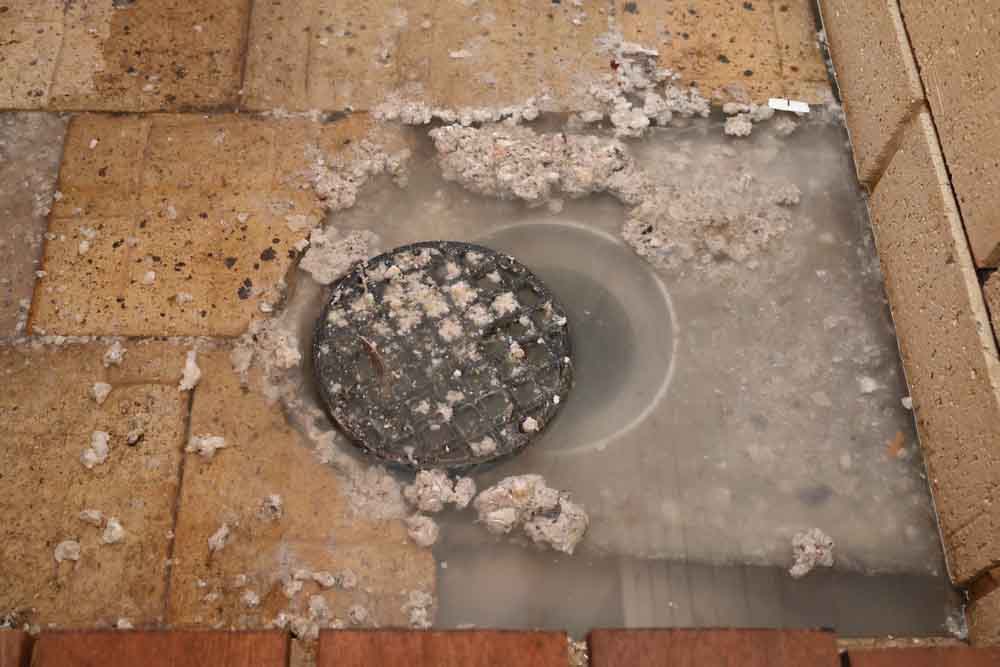
Grease behaves differently than solid objects. It goes down warm and liquid, then cools and hardens against the inside of a pipe. Layer after layer narrows the passage until only a trickle gets through.
Kitchens are the main source, though bathroom products with oils and lotions contribute too. Once grease coats a line, sewer cleaning becomes the fix that actually works, since store bought chemicals typically break down waste, not solidified fat.
A shower backup can sometimes be related to a blockage farther downstream in a shared drain line. That connection surprises a lot of homeowners the first time a technician explains it.
When Does a Clog Turn Into an Emergency?
Slow drainage is annoying. Standing water, sewage odor, or multiple fixtures backing up at once means the problem has moved past a simple clog. At that point, prompt professional drain cleaning can help restore drainage before standing water causes damage to flooring, cabinetry, or finished areas.
Signs worth taking seriously:
- Water backing up in a different fixture than the one being used
- Gurgling sounds from drains or toilets
- Sewage smell near floor drains
- Multiple slow drains at the same time
How Are Residential Drains Cleared Professionally?
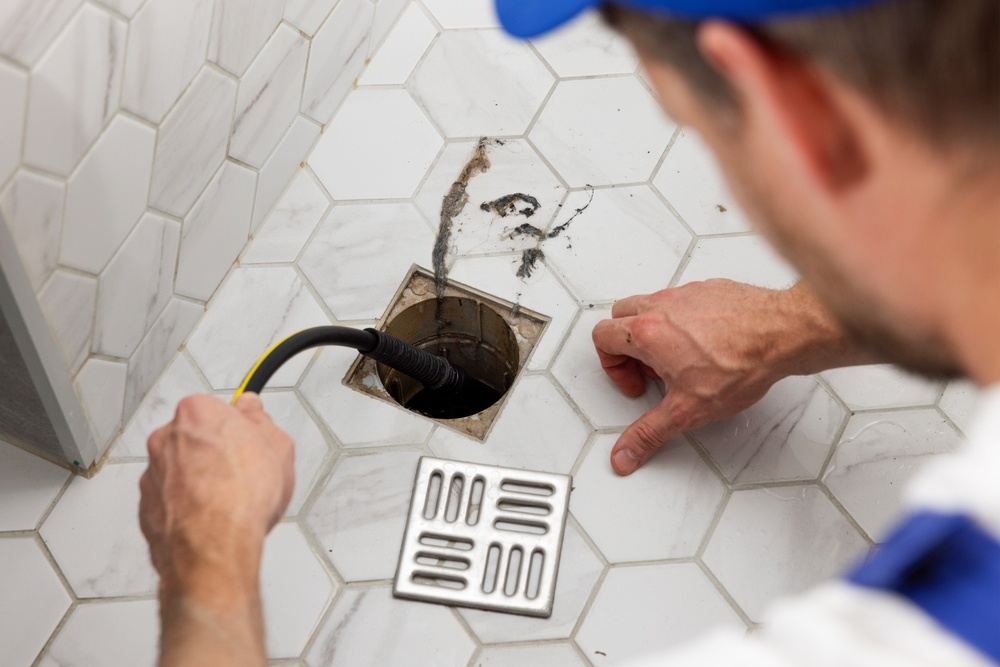
Professional residential drain cleaning begins with assessing the blockage and determining the appropriate method, which may include snaking, hydro jetting, or camera inspection. Hydro jetting works well for grease because the pressurized water scours the pipe wall clean instead of punching a narrow hole through the middle of the clog.
Homeowners searching for drain cleaning services or sewer and drain cleaning often assume every clog needs the same tool. In practice, the right method depends on what’s causing the block and how far into the line it sits.
Why Do Some Homes Get Clogs More Often Than Others?
Older cast iron pipes corrode from the inside, giving grease and debris more surface area to grip onto. Homes with mature trees nearby may deal with root intrusion alongside grease and object clogs. Routine drain services catch these smaller issues before they turn into a full blockage.

FAQ
Can I use chemical drain cleaners on a grease clog?
Chemical drain cleaners can be harsh on some plumbing materials and may not fully resolve heavy grease buildup.
How often should residential drains be cleaned to prevent buildup?
The ideal cleaning frequency depends on the home’s plumbing, usage, and history of buildup. Kitchens with heavy cooking may require more frequent attention.
Is it safe to pour boiling water down a drain to clear grease?
Boiling water can soften grease near the opening, but it typically pushes the problem further down the pipe, where it re-hardens once it cools again.
Keep Small Clogs From Becoming Big Problems
Foreign objects and grease will keep causing calls as long as people flush wipes and pour fat down the sink. Catching the pattern early, and knowing which one is at play, makes the fix faster and less expensive.
Sewer Surgeons provides drain & sewer services backed by fully insured technicians and 100% guaranteed satisfaction, along with emergency services for the moments that can’t wait until morning. Reach out when a drain starts slowing down, not after it stops moving altogether.