Bridging the Gap: How Trenchless Pipe Coating Services Save Weakened Drain Joints from Full Collapse

cured-in-place pipe lining inside old pipe

A drain joint doesn’t fail all at once. It starts small: a hairline crack where two pipe sections meet, a bit of corrosion eating through cast iron, a gap opening up as clay pipe shifts with the soil around it. For months, sometimes years, the pipe still carries water. Then one day it doesn’t, and a property owner is looking at a sinkhole in the yard or a backup that won’t clear.

The good news is that a weakened joint doesn’t automatically mean a full pipe replacement. Trenchless pipe coating in Morristown, NJ gives property owners a way to reinforce a failing section from the inside, without tearing up a driveway, lawn, or finished basement to get there. Here’s how the process works, what it fixes, and how to tell if your pipe is a good candidate.

What Causes a Drain Joint to Weaken in the First Place

Every pipe system has joints, the points where two sections connect. These are almost always the first place a pipe fails, because they’re mechanically weaker than the solid pipe wall on either side.

A few things wear down a joint over time:

Cast iron and clay pipe, both common in homes and buildings built before the 1970s, corrode and degrade differently than modern PVC. Cast iron rusts from the inside out, and as the metal thins, the joints are usually the first spot to crack or separate. Clay pipe is brittle by nature. It doesn’t bend, so any shift in the surrounding soil, from tree root growth, freeze-thaw cycles, or ground settling, tends to crack the pipe right at the joint rather than flexing with the movement.

Root intrusion is another major factor. Tree and shrub roots are drawn to the moisture and nutrients inside a sewer line, and they find their way in through the smallest joint gap or hairline crack. Once inside, the roots grow, widen the opening, and speed up the deterioration.

None of this happens overnight. A joint typically weakens gradually, which is actually the reason trenchless repair works so well. Caught early, a compromised joint can be reinforced before it becomes a full collapse.

What Full Collapse Actually Looks Like

A collapsed pipe section is different from a clogged one. A clog is a blockage inside a pipe that’s still structurally sound. A collapse means the pipe itself has lost its shape, either crushed inward from external pressure or broken apart at a joint, and water can no longer pass through no matter how much the line is cleared.

Common warning signs before a full collapse include recurring backups in the same drain, gurgling sounds from fixtures, slow drainage that keeps coming back after cleaning, sewer odor indoors or in the yard, and visible settling or a soft spot in the lawn above the pipe route. Any one of these on its own isn’t necessarily an emergency, but a pattern of them, especially paired with an older pipe system, is worth having inspected with a camera before the situation gets worse.

How Pipe Coating Reinforces a Damaged Section

Pipe coating, sometimes called cured-in-place pipe (CIPP) lining, works by inserting a resin-saturated liner into the existing pipe and curing it in place until it hardens into a new, seamless pipe wall inside the old one. The American Society for Testing and Materials (ASTM) publishes the technical standard for this process, ASTM F1216, which the plumbing and trenchless repair industry has followed for decades.

The process generally involves a few steps. First, a camera inspection confirms the location and extent of the damage. The line is then cleaned to remove debris, roots, and buildup so the liner can bond properly. A flexible tube coated in epoxy resin is inserted through an existing access point and positioned along the damaged section. Once in place, the resin is cured, using heat, UV light, or ambient air depending on the material, until it hardens into a rigid new pipe within the old one.

The result is a smooth, jointless liner that bridges the weak spot and restores structural strength to that section of pipe, all without digging a trench along the pipe’s path.

Where Epoxy Pipe Coating Works Best

Epoxy pipe coating is most effective on pipes that still have their basic shape but have deteriorated joints, small cracks, or corrosion damage. It is not a fix for a pipe that has already fully collapsed or crushed, since the liner needs the original pipe to hold its form during the curing process. This is why a camera inspection before any coating work matters. It tells the technician whether the pipe is a good candidate for lining or whether a section needs to be excavated and replaced instead.

Residential Applications

In a single-family home, residential pipe coating is most often used on the main sewer lateral, the line running from the house to the municipal connection or septic system, since that’s the pipe most exposed to root intrusion and ground shifting. Older homes in established towns often still have the original clay or cast iron laterals installed when the house was built, which makes them reasonable candidates for this kind of inspection as they age.

Because the work is done through existing access points, most residential pipe coating projects don’t require digging up landscaping, walkways, or driveways. That matters for a homeowner who doesn’t want a repair project to turn into a landscaping project as well.

Commercial Applications

Commercial pipe coating serves a different set of pressures. Restaurants, multi-unit residential buildings, and commercial properties often run higher volumes of wastewater through their systems, plus grease, food waste, and other materials that accelerate wear on the interior of a pipe. A property manager dealing with a weakened joint under an occupied building has an added incentive to avoid excavation, since digging up a parking lot or building interior means disrupting tenants or customers during the repair.

Trenchless coating lets commercial pipe coating contractors reinforce these sections with minimal interruption to daily operations, which is often the deciding factor for property owners choosing between lining and traditional dig-and-replace repair.

What to Expect from a Pipe Coating Service Appointment

A typical pipe coating services appointment starts with a camera inspection to map out the damage and confirm the pipe is a candidate for lining. From there, the crew cleans the line, measures and prepares the liner, inserts it through the access point, and cures it in place. Depending on the length and condition of the pipe, the process can often be completed in a single day, though more extensive damage may take longer.

Property owners in Morristown and the surrounding Morris County area dealing with older sewer infrastructure should expect the technician to walk through the camera footage with them before recommending coating, replacement, or another repair method. A reputable pipe coating contractor won’t recommend lining a section that’s too far gone to hold a liner.
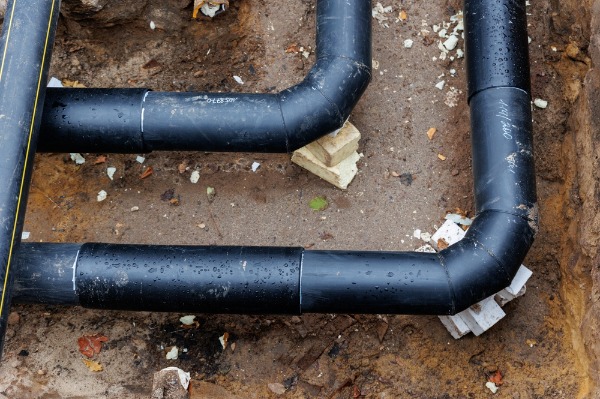
underground pipe replacement with new plastic pipe

Frequently Asked Questions

  • How long does a pipe coating repair last? 

A properly installed epoxy liner is designed to function as a new pipe wall for decades, since it becomes a rigid structural layer rather than a temporary patch. Actual lifespan depends on the condition of the host pipe and how well it was prepared before lining.

  • Can pipe coating fix a fully collapsed pipe? 

No. Coating requires the original pipe to hold its shape during the lining process, so a section that has crushed or completely caved in usually needs to be excavated and replaced rather than lined.

  • Does pipe coating work on both cast iron and clay pipe? 

Yes, coating can reinforce both materials as long as the pipe hasn’t lost its structural shape. A camera inspection determines whether the damage is limited to cracks and joint separation or has progressed further.

  • Will pipe coating stop tree roots from coming back? 

The liner creates a smooth, jointless surface with no gaps for roots to find, which removes the entry points that let roots intrude in the first place. It doesn’t affect roots already growing near the pipe, but it closes off the openings that let new intrusion start.

Get a Camera Inspection Before a Small Problem Becomes a Big One

A weakened joint gives property owners a window to act before a small crack turns into a collapsed line and a torn-up yard. At Sewer Surgeons, we offer camera inspections to determine whether a section of pipe is a good fit for lining or needs a different approach, and our technicians are fully insured for both residential and commercial work. We also provide emergency service for property owners dealing with an active backup or sudden drainage failure, and we stand behind our repairs with a 100% satisfaction guarantee. Reach out to us to have your line inspected before a weak joint turns into a bigger job.

When Tree Root Intrusion Keeps Returning, Is Pipe Repair the Real Solution?

damaged drain pipe filled with tree roots

If you’ve had your sewer line cleared of roots once, twice, or three times this year and the backups keep coming back, the clearing isn’t the problem. The pipe underneath it is.

Cutting roots out of a line gives you a clean pipe for a while. It doesn’t change why roots got in there in the first place. If a technician has snaked or hydro jetted your line more than once for the same blockage, that’s usually a sign of an opening in the pipe itself, rather than an aggressive tree doing what tree roots do. For homeowners and property managers in Morristown, NJ, where many streets are lined with mature oaks, maples, and other large shade trees planted decades ago alongside the homes they now tower over, this is a common and specific problem. Understanding what’s actually happening underground helps you decide whether trenchless pipe repair in Morristown, NJ is the next right step, or whether another root cutting will buy you a little more time.

Why Roots Keep Finding Their Way Back In

Tree roots don’t tunnel through solid pipe. They grow toward moisture, and a sewer line carrying wastewater is a steady source of it. Roots enter through existing gaps: a hairline crack, a separated joint, or a small offset where one pipe section has shifted from another. Once a root finds that opening, it grows into the available space, and as it grows, it widens the crack or joint separation that let it in.

This is why root cutting alone is a temporary fix. A cutting tool clears the root mass sitting inside the pipe, but the opening that root grew through is still there. Root fibers left behind grow back, often faster than before, because the disturbed area has already been widened. This cycle repeats until the underlying gap is addressed directly.

What Makes a Pipe Vulnerable in the First Place

Pipe material and age play a large role here. Homes and buildings built before the 1970s commonly used clay pipe for sewer lines, and older sections of Morristown reflect that housing stock. Clay pipe is durable in many respects, but it’s laid in short sections joined together, and those joints are the weak point. Over decades, soil settling, freeze-thaw cycles, and ground shifting can separate joints enough to let roots or groundwater in.

Cast iron sewer lines, also common in older homes, face a different vulnerability: corrosion. As cast iron pipe ages, it can develop small perforations from the inside out, and those openings are as inviting to root growth as a cracked joint.

Newer PVC pipe is more resistant to root intrusion because it has fewer joints and doesn’t corrode, but even PVC can develop problems at connection points or from ground movement over time.

Reading the Signs That the Issue Is Structural

A single root intrusion after years of no problems might genuinely be a one-time event, maybe a root growing toward a small pre-existing crack that hadn’t caused issues before. But certain patterns point to a structural issue that repeated clearing won’t fix:

  • The same section of line needs clearing again within a few months of the last service
  • Slow drains or gurgling sounds return shortly after a cleaning
  • A camera inspection shows visible cracking, offset joints, or a pipe with a noticeably rough or uneven interior
  • Backups happen after moderate rain, which can point to groundwater infiltration through the same openings roots are using

If any of these sound familiar, it’s worth having a sewer camera inspection done before scheduling another round of root cutting. The inspection shows exactly where the pipe is compromised and how extensive the damage is, which is the information you need to decide on a repair method.

Traditional Excavation Versus No-Dig Options

Once a camera inspection confirms a structural problem, there are generally two paths: dig up and replace the damaged section, or repair it without excavation. Traditional excavation means trenching through a yard, driveway, or in some cases a sidewalk or street to physically access and replace the pipe. It works, but it also means landscaping damage, potential permitting depending on the location of the line, and a longer project timeline.

No-dig pipe repair, more commonly called trenchless plumbing, addresses the same structural problem from inside the existing pipe. Instead of removing the damaged section, a new pipe or lining is installed within it, which means no trenching across the property.

How Trenchless Pipe Lining Solves the Root Problem Directly

CIPP pipe lining, which stands for cured-in-place pipe, is one of the more common trenchless pipe repair methods for root intrusion issues. A flexible liner coated in resin is inserted into the existing damaged pipe and then cured in place, usually with heat or UV light, until it hardens into a smooth, jointless pipe within the old one.

Because the finished liner has no joints, it removes the exact entry points roots were using. There’s no separated joint for a root to find, and no crack for water to seep through and attract new root growth. This is different from cutting roots out repeatedly, which never addresses the opening itself.

For pipes with more extensive damage, such as significant corrosion or collapse, trenchless pipe replacement using a method called pipe bursting may be a better fit. This process breaks apart the old pipe while simultaneously pulling a new pipe through the same path, replacing the line entirely without a traditional trench.

What the Trenchless Process Generally Looks Like

Sewer line trenchless repair typically follows a similar sequence regardless of which method is used. A camera inspection maps the damage and confirms the pipe is a good candidate for lining or bursting. Small access points, sometimes a single entry pit, are dug at the start and end of the affected section rather than trenching the full length of pipe. The liner or replacement pipe is installed through those access points, and a final camera inspection confirms the repair is sealed and functioning correctly.

The scope and timeline depend on the length of pipe involved and the extent of the damage, which is part of why an inspection comes before any repair recommendation rather than after.

Deciding If It’s Time to Move Past Root Cutting

If you’ve had the same line cleared more than once in a year, or if a technician has mentioned visible cracking or joint separation during a service call, that’s a reasonable point to ask for a full camera inspection rather than scheduling another cleaning. The cost of continuing to clear roots without addressing the pipe adds up over time, and each clearing cycle gives roots more room to grow back into.

Property owners in Morristown dealing with older clay or cast iron lines under mature trees are exactly the kind of situation where trenchless pipe repair contractors are typically brought in to evaluate whether lining or replacement makes more sense than another round of cutting.

pipe clogged with invasive tree roots

Frequently Asked Questions

It works well for pipes with cracks, joint separation, or corrosion that haven’t fully collapsed. If a section of pipe has caved in or lost its shape entirely, pipe bursting or traditional replacement may be needed instead.

  • Will trenchless repair stop roots from growing near the pipe at all? 

It removes the pipe’s vulnerable joints and cracks, which stops roots from being able to enter that section. Roots can still grow near the pipe exterior, but without an opening to get through, they won’t cause the same blockages.

  • How long does a CIPP liner typically last? 

Manufacturers commonly rate cured-in-place liners for several decades of service life, though the actual lifespan depends on installation quality and the condition of the host pipe before lining.

  • Is a sewer camera inspection needed before trenchless repair? 

Yes. The inspection confirms the exact location and extent of the damage, which determines whether lining, bursting, or another approach is the right fit for that specific pipe.

Ready to Stop the Cycle?

Repeated root clearing on the same line is usually a sign that the pipe itself needs attention, not another cleaning. We at Sewer Surgeons offer camera inspections to pinpoint exactly what’s happening underground, and if trenchless repair is the right fit, our fully insured technicians handle the work with a 100% satisfaction guarantee behind it. Backups don’t wait for business hours, and neither do we. Our emergency services mean you can reach out any time the problem resurfaces. Give us a call and let’s find out what’s really going on with your line.

Avoid Whole-Yard Destruction: Let Qualified Sewer Inspection Contractors Trace Your Main Line Damage

technician viewing sewer camera inspection footage

Slow drains, gurgling toilets, and sewage odors in the yard all point to one thing: something is wrong somewhere along your main sewer line. What they don’t tell you is where. That line can run 50 to 100 feet or more from your house to the street connection, buried under lawns, driveways, patios, and mature trees. Without knowing the exact location and cause of a blockage or break, a repair crew is left guessing, and guessing means digging.

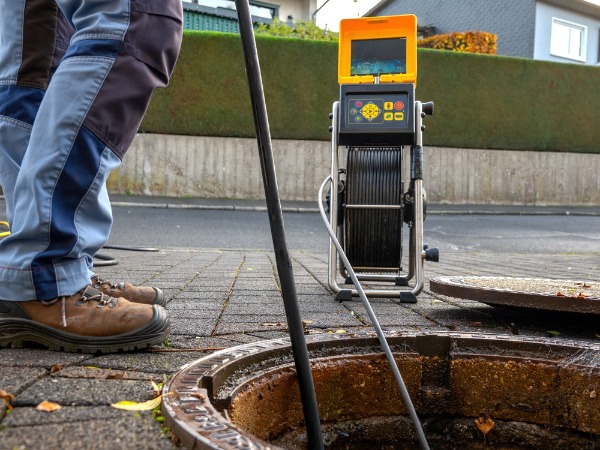
That’s the problem a sewer video inspection solves. A small waterproof camera, mounted on a flexible cable, gets fed directly into the pipe. The technician watches a live video feed on a monitor as the camera moves through the line, and can see cracks, root intrusion, pipe misalignment, corrosion, or blockages in real time. The footage also shows exactly how far into the line the problem sits, which means the crew can mark the precise dig spot on the surface instead of trenching the whole yard to find it.

We handle sewer video inspection in Morristown, NJ at Sewer Surgeons, and this article covers what the process actually involves, what it can and can’t tell you, and how to decide if it’s the right first step before any repair work begins.

What a Sewer Camera Inspection Actually Shows

A sewer pipe video inspection isn’t just a peek inside the pipe. It’s a diagnostic tool that identifies the type of damage, its severity, and its exact location along the line. The camera head includes a light source and often a built-in distance counter, so the technician can log how many feet into the pipe a defect appears, measured from the cleanout or access point.

Common findings include:

  • Root intrusion, where tree roots have grown through pipe joints or small cracks seeking moisture
  • Pipe bellies, where a section has sunk and now holds standing water and waste
  • Cracked, crushed, or collapsed sections, often from ground shifting or old, brittle pipe material
  • Corrosion in older metal pipes, which thins pipe walls over time and reduces flow
  • Misaligned joints between pipe sections, common in properties that have settled over decades
  • Grease or debris buildup narrowing the pipe’s usable diameter

Each of these has a different fix. Root intrusion might be cleared with cutting equipment and prevented going forward, while a collapsed section usually needs full replacement of that segment. This is why the inspection has to come before any repair decision, not after.

Why This Step Gets Skipped, and What It Costs When It Does

Some property owners try to save money by skipping the inspection and going straight to excavation once a sewer problem is suspected. Without camera footage, a crew has to dig based on general knowledge of where lines typically run and where problems typically occur. That approach means opening up more ground than necessary, and there’s a real chance the first dig site misses the actual damage entirely.

The National Association of Sewer Service Companies (NASSCO), which sets industry standards for pipeline assessment, developed its Pipeline Assessment and Certification Program specifically because visual inspection data reduces guesswork in underground repair decisions. The standard exists because accurately locating and classifying pipe defects before excavation consistently produces better repair outcomes than blind digging.

For a property owner, the practical version of this is simple: a $300 to $500 camera inspection can prevent thousands of dollars in unnecessary excavation, landscaping repair, and driveway or patio replacement. It also prevents the frustration of a repair crew digging in the wrong spot and having to relocate.

How Sewer Line Camera Inspection Works From Start to Finish

The process is more straightforward than most homeowners expect, and understanding each step helps set realistic expectations.

Locating an Access Point

The technician starts by finding an existing cleanout, a capped pipe fitting that gives direct access to the sewer line without removing a toilet or opening the roof vent stack. Many older homes in the Northeast were built before cleanouts were standard, so if one isn’t present, the technician may need to access the line through a toilet flange or roof vent instead.

Feeding the Camera Through the Line

The camera cable is pushed through the pipe by hand, following the natural path of the line toward the street or septic connection. The technician watches the monitor continuously, noting anything unusual and logging the footage counter at each point of interest.

Recording Distance and Condition

As the camera passes a defect, the footage counter shows how far it is from the access point. This measurement gets cross-referenced with an above-ground locator signal (a small transmitter in the camera head that a handheld receiver can detect from the surface) to mark the exact dig location if excavation turns out to be necessary.

Reviewing Findings With the Property Owner

After the inspection, the technician should walk through what the footage showed: what kind of damage is present, roughly how severe it is, and what repair options apply. This is the point where a property owner can ask questions and get a clear picture before committing to any repair work.

Video Sewer Line Inspection for Older Properties and Mature Landscaping

Morristown has a mix of older housing stock with mature trees, and tree roots are one of the most common causes of sewer line damage in established residential areas. Roots are drawn to the moisture and nutrients inside a sewer pipe and will exploit even hairline cracks or loose joints to get in. Once inside, a root mass can expand until it partially or fully blocks flow.

A camera inspection distinguishes between a line that has isolated root intrusion at a single joint versus one with widespread root damage across multiple sections. That distinction matters for the repair recommendation. A single problem joint might be treated with root cutting and a localized repair. A pipe with root damage in several spots along its length is a stronger candidate for full replacement, since repeated spot repairs on a deteriorating line tend to need to be redone.

For commercial properties with larger sewer lines serving multiple units or high-volume plumbing fixtures, inspection frequency matters more. A camera check every year or two can catch developing problems, like a slowly growing belly or early corrosion, before they turn into a backup that affects tenants or customers.

Sewer Inspection Contractors: What to Expect From the Report

A sewer camera inspection should produce more than a verbal summary. Ask whether the company provides recorded footage or a written report noting the location, type, and severity of each issue found. This documentation is useful for a few reasons beyond the immediate repair decision. It gives a baseline record of the pipe’s condition, which matters if a dispute comes up with a property insurer, a home sale inspection, or a municipal sewer connection question. It also gives a second contractor something concrete to review if a property owner wants a second opinion on a proposed repair.

sewer camera inspection equipment near manhole

Frequently Asked Questions

  • How long does a sewer camera inspection take?

Most residential inspections take 30 to 60 minutes, depending on the length of the line and how many access points are available.

  • Can a sewer camera inspection be done without digging first?

Yes. The camera is fed through an existing cleanout, toilet flange, or vent stack, so no excavation is needed just to see inside the pipe.

  • Will the inspection tell me if I need trenchless repair or a full dig?

The footage shows the type, location, and severity of damage, which determines whether a trenchless method like pipe lining is suitable or whether the section needs to be excavated and replaced.

  • What if the camera can’t get through the line?

If a blockage is too severe for the camera to pass, the technician typically needs to clear it first with cutting or jetting equipment, then re-inspect once the line is passable.

Get an Accurate Picture Before Anyone Touches Your Yard

A clear view of what’s happening inside your sewer line is the difference between a targeted repair and an afternoon of unnecessary digging. We offer emergency services when a backup can’t wait, and every technician we send out is fully insured, so you’re covered from the first inspection through any repair that follows. Sewer Surgeons stands behind every job with 100% guaranteed satisfaction. Reach out to us to get your line inspected before deciding on next steps.

How Emergency Line Flushing Prevents Costly Wastewater Overflows in Multi-Family Units

technician hydro jetting clogged drain line

A clogged drain in a single-family home usually stays contained to one house. In an apartment building, condo complex, or duplex, that same clog can back wastewater into several units at once. That’s because most multi-family properties share a single main sewer lateral that runs from the building out to the municipal line. Every toilet, sink, and shower on that property ties into the same pipe.

When grease, roots, or debris block that shared line, wastewater has nowhere to go but back up through the lowest drains in the building. That’s often a basement laundry room, a ground-floor unit, or a shared utility space. Property owners and managers searching for a fix want to know how to stop this from happening again, not just how to clean up after it happens.

This is where hydro jetting in Chatham, NJ becomes a practical answer. Sewer Surgeons uses high-pressure water jetting to clear shared building laterals before they back up, and to respond quickly when they already have.

What Makes Multi-Family Sewer Lines More Vulnerable

A single-family sewer line handles waste from one household. A multi-family line handles the combined waste from every unit connected to it, often running for decades before anyone inspects it closely.

Grease and Food Waste From Multiple Kitchens

Every kitchen that drains into a shared line adds grease, oil, and food particles to the pipe. Over time, these substances coat the interior pipe wall. As more layers build up, the open space inside the pipe narrows, and water flow slows down. In a building with ten or more units, this buildup happens faster than it would in a single home.

Root Intrusion in Older Underground Lines

Sewer pipes installed decades ago often have joints where tiny amounts of moisture escape. Tree roots are drawn to that moisture and grow directly through those joints, sometimes filling a section of pipe with root mass. Once roots take hold, they continue to expand and catch debris, narrowing the line further with each passing season.

Wipes, Paper Products, and Non-Flushable Materials

Even products labeled “flushable” often do not break down the way toilet paper does. In a building with many residents, small amounts of these materials add up over time and can combine with grease to form solid blockages inside the line.

Pipe Scale and Sediment Buildup

Older cast iron and clay pipes develop interior scale as minerals in wastewater settle and harden along the pipe wall. This scale reduces the pipe’s interior diameter the same way grease does, and it can also create rough surfaces where debris catches and accumulates.

How Hydro Jetting Clears a Line Before It Backs Up

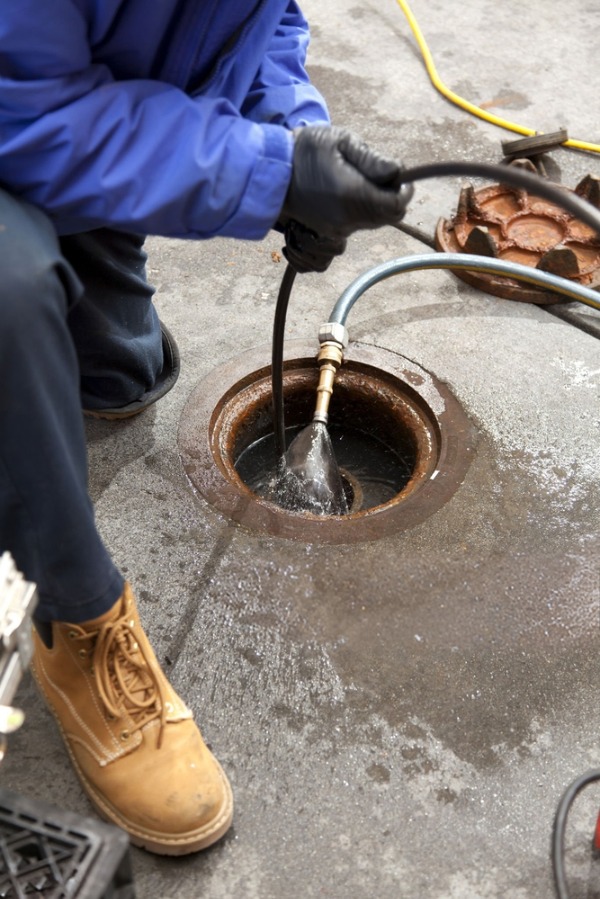
Hydro jetting uses a high-pressure water hose fed through the pipe to break apart and flush out grease, roots, scale, and debris. Professional-grade hydro jetting equipment typically operates in the range of 1,500 to 4,000 pounds per square inch, with pressure and nozzle type adjusted based on the pipe’s material and the type of blockage.

Unlike a cable or auger, which cuts a channel through a clog, sewer hydro jetting scours the entire interior wall of the pipe. This removes buildup along the full diameter of the line rather than punching a narrow path through the center. For shared building laterals that carry waste from many units, this distinction matters. A cabled line can clog again within weeks if grease and scale remain coating the walls. A jetted line starts closer to its original open diameter.

Scheduled Maintenance Versus Emergency Response

Property owners generally need two different types of hydro jetting service.

Scheduled hydro jetting services clear buildup before it becomes a blockage. Many property managers set these visits on a yearly or twice-yearly basis, timed around known problem seasons such as after leaf drop in autumn, when root activity and debris intake both increase.

Emergency hydro jetting responds to an active backup, when wastewater is already surfacing in a unit or common area. Speed matters here. The longer a shared line stays blocked, the more units back up and the more contaminated water needs remediation. Sewer Surgeons offers emergency services for exactly this situation, arriving to clear the line and stop the backup from spreading to additional units.

Local Conditions That Affect Chatham Area Sewer Lines

Chatham and the surrounding Morris County communities include a mix of older housing stock and mature, tree-lined streets. Underground sewer laterals installed decades ago in these neighborhoods are more likely to have the aging joints that allow root intrusion. Mature trees planted close to sidewalks and yards send roots toward any available moisture source, including small gaps in older clay or cast iron pipe.

Seasonal freeze-thaw cycles in North Jersey also stress older pipe joints over years of expansion and contraction. Combined with heavier storm runoff during spring rains, these factors put extra demand on shared building laterals that may already be carrying scale or root buildup. Multi-family properties in this area benefit from periodic high-pressure hydro jetting to keep these older lines clear rather than waiting for a full backup.

Warning Signs Property Owners Should Not Ignore

A shared line rarely blocks without warning. Common signs include:

  • Slow drains in more than one unit at the same time
  • Gurgling sounds coming from toilets or floor drains
  • Sewage odor near basement drains or cleanout access points
  • Backups appearing repeatedly in the same low-lying unit or common area

When these signs show up in multiple units around the same time, the shared lateral is the most likely source, not an individual unit’s plumbing.

What to Look for in Hydro Jetting Contractors

Multi-family properties benefit from contractors who pair hydro jetting with camera inspection, so the technician can see the pipe’s actual condition before and after the service. This confirms whether the blockage was fully cleared and identifies any sections of pipe with damage that jetting alone cannot fix, such as a collapsed or offset joint.

Insurance coverage matters as well. A shared building lateral runs through multiple units and common areas, so any contractor working on that line should carry insurance that covers work in an occupied, multi-tenant building.

sewer worker hydro jetting manhole drain

Frequently Asked Questions

  • How often should a multi-family property schedule hydro jetting?

Many properties benefit from service once or twice a year, though buildings with mature trees nearby or a history of grease buildup may need more frequent visits.

  • Is high-pressure hydro jetting safe for older pipes?

Technicians adjust water pressure and nozzle type based on the pipe’s age and material, and a camera inspection beforehand helps confirm the line can handle jetting safely.

  • What’s the difference between hydro jetting and snaking a drain?

Snaking cuts a path through a clog, while hydro jetting scours the entire interior wall of the pipe to remove buildup along its full diameter.

  • How quickly can emergency hydro jetting stop an active backup?

Response time depends on the severity of the blockage and how much of the line is affected, though clearing the blockage itself typically takes place during the same visit once the technician arrives.

Getting a Shared Line Cleared and Kept That Way

A blocked building lateral affects every unit connected to it, which makes fast, thorough clearing the priority once wastewater starts backing up. Sewer Surgeons provides emergency services for active backups and fully insured technicians for work inside occupied multi-family buildings, backed by a 100% guaranteed satisfaction on every job. Reach out to us to talk through what your building’s line needs, whether that’s an emergency response today or a maintenance plan going forward.

Why Did Your Water Bill Double Without Explanation? The Case for Professional Water Leak Detection

thermal camera inspecting exposed plumbing pipes

If your water bill jumped without any change in how you’re using water, the most likely explanation is water escaping somewhere you can’t see. A doubled bill rarely comes from a single long shower or an extra load of laundry. It usually points to a leak inside a wall, under a slab, in a yard line, or inside a fixture that’s been running longer than anyone noticed.

For homeowners and commercial property owners in Chatham, NJ, this is a more common problem than most people expect. Many homes and buildings in the area were built decades ago, and the plumbing inside them has aged right along with the structure. When a pipe develops a pinhole leak or a joint starts to weep, the water meter keeps recording every gallon, even though nothing is visibly wrong. That’s exactly why water leak detection in Chatham, NJ has become a routine call for property owners trying to figure out where their money is going. We work through this process daily at Sewer Surgeons, and the pattern is almost always the same: the bill goes up before the damage becomes visible.

What a Sudden Water Bill Increase Actually Tells You

A water bill is a direct record of how much water passed through the meter. If usage habits haven’t changed and the number still climbs, water is moving through the system somewhere between the meter and the point where it’s supposed to come out of a faucet or fixture. That water has to go somewhere, and in most cases it’s soaking into soil, soaking into a wall cavity, or running continuously down a drain line that never fully shuts off.

Municipal water providers, including many in New Jersey, will sometimes flag unusually high consumption on a bill or send a notice if usage spikes well above a household’s normal pattern. That notice is worth taking seriously. It’s one of the only early warnings a property owner gets before a small leak turns into standing water, mold growth, or a collapsed section of drywall.

Common Sources of Hidden Leaks in Older Homes and Buildings

Chatham and the surrounding Morris County area have a large number of homes built before modern plumbing materials became standard. Older galvanized steel and copper supply lines corrode from the inside over time, and joints that were soldered decades ago can loosen as a house settles. Freeze-thaw cycles during New Jersey winters add another layer of stress, since pipes that sit in unheated crawl spaces or exterior walls expand and contract with temperature swings.

The most frequent hidden sources we find include:

  • Pinhole leaks in copper supply lines, often from age-related pitting corrosion
  • Slab leaks, where a pipe running under the foundation develops a crack
  • Toilet flappers and fill valves that leak silently into the bowl
  • Irrigation and outdoor spigot lines with cracked fittings underground
  • Water heater tanks or connections that seep slowly before failing outright

Pipe leak detection work often turns up more than one of these at the same time, especially in a house that hasn’t had a plumbing inspection in years.

Warning Signs Beyond the Bill Itself

The bill is usually the first clue, but it’s rarely the only one. Property owners often notice a damp or musty smell in a specific room, a warm spot on a concrete floor above a hot water line, discolored patches on drywall or ceilings, or the sound of running water when every fixture in the house is off. Outdoors, an unusually green or soggy patch of lawn in an otherwise dry yard can point to a leaking irrigation line or a break in the service line running from the street.

None of these signs tell you exactly where the leak is or how bad it’s gotten. They tell you it’s time to have someone look, which is where plumber leak detection becomes the practical next step rather than a guess.

Why Guessing at the Source Wastes Time

It’s tempting to start tearing into a wall or digging up a yard based on a hunch, but plumbing systems don’t always leak where the damage shows up. Water can travel along a joist or a slab before it surfaces, so the wet spot on a ceiling might be several feet from the actual break in the pipe above it. Opening the wrong section of drywall or the wrong stretch of yard means paying for repairs twice: once for the exploratory work, and again for the actual fix.

This is the core reason leak detection services rely on equipment rather than trial and error. The goal is to find the exact location before anything gets opened up, cut into, or dug out.

How Professional Leak Detection Actually Works

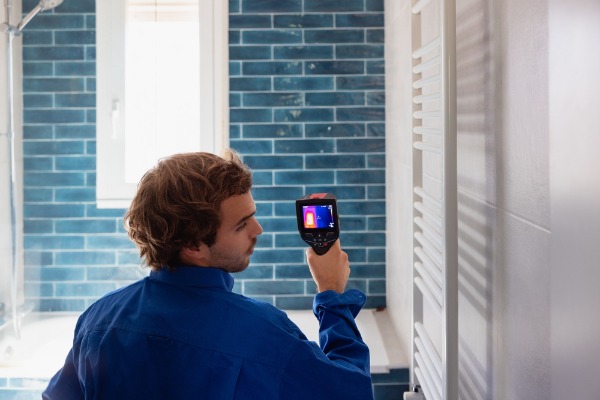
Modern leak detection uses a combination of tools designed to locate water movement without exploratory demolition. Acoustic listening devices pick up the sound of water escaping under pressure, which travels differently through pipe material than through open air. Thermal imaging cameras can reveal temperature differences in a wall or floor caused by hot water lines leaking into cooler surrounding material. Pressure testing isolates sections of the plumbing system to identify which line is losing pressure, narrowing the search before any physical inspection begins.

Water pipe leak detection with this kind of equipment typically takes a fraction of the time that manual searching would, and it protects the rest of the structure from unnecessary cuts or holes. Once the location is confirmed, the technician can explain exactly what needs to be repaired and why, rather than presenting a list of possibilities.

When a Slow Leak Turns Into an Emergency

Not every leak behaves the same way. A pinhole leak in a copper line might drip for weeks before anyone notices, while a fully burst pipe can release hundreds of gallons in a single hour. Burst pipes are usually the result of freezing temperatures, sudden pressure spikes, or a slow leak that finally gave out at a weak point in the pipe wall.

When a pipe bursts, water pressure means the volume of water in a home or building can climb fast enough to reach flooring, electrical outlets, and furniture before anyone gets home to shut off the main valve. That’s the scenario where emergency leak detection matters most, since finding the source quickly limits how much water damage spreads before repairs can begin. Burst pipe repair at that stage isn’t optional. It’s the only way to stop active water loss and start drying out the affected area.

What Happens After the Leak Is Found

Once a technician pinpoints the location, the repair itself depends on where the leak is and what caused it. A pinhole leak in an accessible section of pipe might only need a spot repair or a section replacement. A slab leak may call for rerouting the line above the floor instead of breaking through concrete. A failed water heater connection is often a straightforward fix once the exact fitting is identified.

Water leak repair is most effective when it addresses the actual cause rather than just patching the visible symptom. A repair that ignores corrosion elsewhere in the same line, for example, often means another leak develops nearby within a short time. Burst pipe repair services should include a look at the surrounding pipe condition, not just the section that failed, so the same problem doesn’t resurface a few months later.

plumber using thermal camera in bathroom

Frequently Asked Questions

  • How much water can a hidden leak actually waste? 

According to the EPA’s WaterSense program, the average household leak can waste thousands of gallons of water per year, and a running toilet or dripping fixture alone can account for a large share of that. Because this figure comes from a published EPA estimate rather than something we measured ourselves, it’s worth checking the source directly if you want the exact current number.

  • Can one leak really double my water bill in a single billing cycle? 

Yes. A leak that runs continuously, such as a stuck fill valve or a cracked underground line, can add a significant amount of water usage over a full billing period, especially if it started early in the cycle and went unnoticed.

  • Do I need a plumber or a specialist for leak detection? 

Many plumbing companies offer leak detection using acoustic and thermal equipment as part of their regular services, so you don’t need a separate specialist in most cases. What matters more is confirming the technician has the equipment to locate the leak precisely before any repair work begins.

  • Will homeowners insurance cover the cost of finding or fixing a leak? 

Coverage varies by policy and by the cause of the leak, so it’s worth calling your insurance provider before repairs begin to ask what documentation they require and what portion of the cost, if any, is covered.

Reach Out Before the Next Bill Arrives

A doubled water bill is a signal worth acting on before it turns into a bigger repair. We provide emergency services for active leaks and burst pipes, our technicians are fully insured, and we stand behind our work with a 100% guaranteed satisfaction policy. If your bill spiked and you can’t explain why, contact us at Sewer Surgeons and we’ll help you find out where that water is actually going.

Why Is Your Restaurant’s Grease Trap Backing Up Every Friday Night?

rusty grease trap cover

If your kitchen sinks start draining slower around Thursday and by Friday dinner rush you’re dealing with standing water, gurgling floor drains, or a foul smell near the dish pit, the grease trap is almost certainly reaching its limit right when you need your plumbing to work hardest. This pattern is common enough that most commercial kitchens see it at least once, and it usually comes down to a simple mismatch between how much fat, oil, and grease (FOG) the trap can hold and how much your kitchen produces before someone services it.

At Sewer Surgeons, we work with restaurant owners and property managers in Morristown, NJ dealing with exactly this problem, and the good news is that a recurring Friday night backup is almost always traceable to a specific, fixable cause. This article walks through what’s happening inside your grease trap, why the timing lines up with the end of the week, and what actually solves it instead of masking it for a few more days. If you’re searching for commercial plumbing in Morristown, NJ to get ahead of a repeat problem, understanding the mechanics first will help you have a much more useful conversation with whoever you hire.

What a Grease Trap Actually Does During the Week

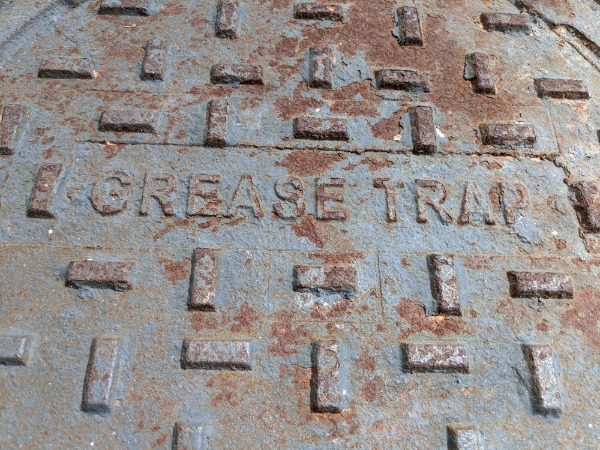
A grease trap (also called a grease interceptor) works on a basic principle: water flows through faster than fat and grease can, so the FOG separates out and floats to the top while solids settle to the bottom, and the cleaner water in the middle continues to the sewer line. That separation only works as long as there’s enough empty space in the tank for the grease layer to sit above the water line without reaching the outlet pipe.

Every time you run hot water, cook down sauces, or scrape plates into the disposal, you’re adding to that grease layer. It doesn’t disappear. It accumulates from Monday’s prep through Friday’s dinner service, and if the trap isn’t pumped or cleaned on a schedule that matches your actual volume, the grease layer eventually gets thick enough and high enough that it starts blocking the outlet or getting pulled into the line whenever water flow increases.

Why the Backup Shows Up on Friday Specifically

Friday is usually the highest-volume night of the week for a restaurant, and that volume is exactly what exposes a trap that’s already near capacity. A few things tend to line up at once:

Weekend prep adds a second wave. Many kitchens do a heavier prep push on Thursday or Friday afternoon to get ahead of the weekend rush, which means more fryer oil, more sauce reduction, and more food scraps going down the drain right before the busiest seating of the week.

The trap has had five or six days to fill without service. If your last pump-out or cleaning was the previous weekend, Friday is the point in the cycle where the grease layer is thickest and the margin for error is smallest.

Higher water flow during dinner service pushes harder against a narrowing outlet. A trap that’s coping fine at low flow on a slow Tuesday afternoon can back up under the water volume of a full Friday dinner rush, because there’s less clear space for water to pass through before it hits the grease layer.

Signs Your Trap Is Reaching Capacity Before It Backs Up

A full or nearly full grease trap usually gives warning signs in the days leading up to a backup, and catching them early is what separates a quick service call from a shut-down kitchen on a Friday night.

Slow-draining sinks or floor drains that get progressively slower as the week goes on are one of the clearest signs. A sulfur or rotten-egg smell near drains, the dish pit, or the trap access panel points to grease breaking down and off-gassing inside the tank. Gurgling sounds when water drains, especially from multiple fixtures at once, mean air is getting trapped behind a partial blockage. A trap that needs pumping noticeably more often than it used to is a sign that grease accumulation has increased, whether from a menu change, higher volume, or a problem with the trap itself.

Common Causes Behind a Repeat Problem

An undersized trap for current volume. Grease traps are sized based on expected wastewater flow and grease load at the time of installation. If your kitchen has added seating, expanded the menu to include more fried items, or simply grown busier since the trap was installed, the original sizing may no longer match what the kitchen produces.

Pump-out frequency that doesn’t match how fast the trap fills. Many jurisdictions set minimum servicing intervals for grease interceptors, but minimums assume average use. A kitchen running heavier volume than average needs more frequent service than the code minimum, not less.

Staff disposal habits. Scraping oil, batter, or food waste into a sink instead of a waste bin adds directly to the grease load, and this is one of the most common and most fixable causes of a trap filling faster than expected.

Grease congealing in the line between the kitchen and the trap. In older commercial buildings, including some of the older downtown Morristown storefronts that were originally built for retail or different food service uses, drain lines can have longer runs, more bends, or narrower diameters than a purpose-built restaurant kitchen would have. Grease that would pass through a short, direct line can cool and congeal along a longer or colder run, narrowing the pipe before the trap even gets a chance to work.

A trap that needs mechanical service, not just pumping. Baffles, interior walls, or the inlet and outlet fittings inside the trap can shift, crack, or clog with solidified grease over time, and a straightforward pump-out won’t fix a mechanical problem with the trap itself.

What Actually Fixes a Recurring Friday Night Backup

Enzyme or bacterial drain treatments can help slow grease buildup between services, but they break down grease gradually and are not a substitute for physically removing it, especially once a trap is already near capacity. Relying on treatments alone when the underlying issue is a sizing or scheduling mismatch usually means the backup returns.

A more reliable fix starts with an accurate read on your actual volume and grease load, not the estimate used when the trap was first installed. From there, the trap can be pumped and cleaned on a schedule matched to that volume rather than a generic interval, and if the trap itself is undersized or mechanically compromised, it can be resized or repaired rather than serviced more often to compensate. Staff training on scraping plates and disposing of fryer oil separately addresses the input side of the problem, which matters just as much as service frequency.

When to Call a Commercial Plumber

A single slow drain is worth watching. A backup that shuts down a sink or floor drain during service, a smell that’s gotten noticeably worse, or a pattern that repeats every week regardless of when the trap was last pumped are all signs the problem needs a professional look rather than another round of at-home treatment. A commercial plumbing contractor can inspect the line between your kitchen and the trap, check the trap’s internal condition, and tell you whether the fix is a service schedule change, a repair, or a replacement sized for what your kitchen actually produces now.

worker cleaning clogged grease trap

Frequently Asked Questions

  • How often should a restaurant grease trap be pumped? 

It depends on your kitchen’s volume and grease load, but many commercial kitchens need service anywhere from monthly to quarterly, and a kitchen with high fryer use or heavy weekend volume often needs more frequent pumping than a lower-volume operation.

  • Can I use enzyme treatments instead of pumping the trap? 

Enzyme treatments can help manage grease buildup between services, but they don’t remove accumulated grease and solids the way pumping does, so they work best as a supplement to a proper service schedule rather than a replacement for it.

  • Why does my trap fill up faster than it used to? 

This usually points to a change on your end, such as a busier menu, more seating, or staff disposal habits, rather than a sudden change in the trap itself, so it’s worth reviewing what’s going into the drains before assuming the trap has failed.

  • Is a grease trap backup an emergency? 

A backup that stops kitchen operations during service should be treated as urgent, since a blocked drain or overflowing trap can shut down a station or the entire kitchen until it’s cleared.

Get Ahead of the Next Friday Night Backup

A grease trap that backs up on a schedule is telling you something specific about how your kitchen and your plumbing are working together, and that’s a problem worth solving instead of managing week to week. Reach out to Sewer Surgeons and we’ll take a look at your trap, your line, and your service schedule to figure out what’s actually causing the pattern. Our technicians are fully insured, we offer emergency service when a backup can’t wait for a scheduled appointment, and every job we do is backed by our 100% guaranteed satisfaction.

Weeping Tile vs. Sump Basin: How Your Home’s “Underground Veins” Move Water Away

sewage pump maintenance service

Your home has a drainage system working beneath the surface, quietly moving groundwater away from your foundation before it becomes a problem indoors.

Two parts of that system get confused often: weeping tile and sump basins.

They’re connected, but they don’t do the same job.

Sewer Surgeons get calls every week from homeowners who assumed a running pump meant everything was fine, only to find water creeping across the basement floor anyway. Below, we’ll break down what each component does, how they work together, and what it means when one of them isn’t pulling its weight.

If you’re comparing sump pumps in Chatham, NJ or trying to figure out why your basement stays damp despite a functioning pump, this breakdown will help.

What Is Weeping Tile and What Does It Do?

Weeping tile, sometimes called a perimeter drain, is a perforated pipe installed around the base of your foundation. It sits below ground level, typically alongside the footing.

Its job is simple: collect groundwater before it can push against your foundation walls and direct that water toward a low point, usually your sump basin.

A few things to know about weeping tile:

  • It’s designed to intercept water in the soil, not water that’s already inside your basement
  • Small perforations along the pipe allow water in while filtering out larger debris
  • Over time, sediment, roots, or mineral buildup can clog those perforations
  • A clogged perimeter drain can’t move water efficiently, even if the pipe itself is intact

What Is a Sump Basin and What Does It Do?

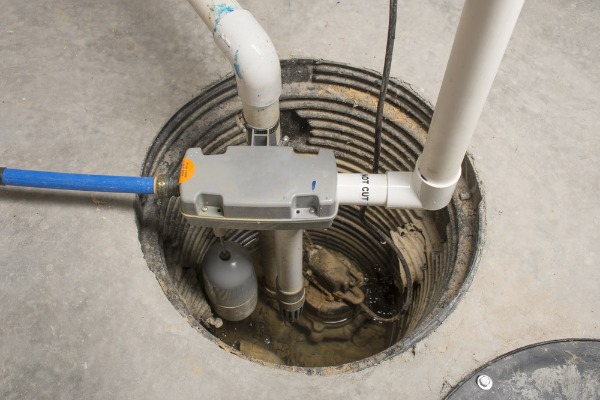
A sump basin is a pit, typically located in the lowest part of your basement or crawlspace, where the weeping tile system deposits collected groundwater. A sump pump sits inside that basin and pushes water out and away from your home once the basin fills to a certain level.

The basin itself doesn’t move water. It holds it until the pump can do that work.

How Do Weeping Tile and Sump Basins Work Together?

Think of the relationship this way:

  • Weeping tile is the collection network, gathering water from around your foundation
  • The sump basin is the holding tank, receiving what the weeping tile delivers
  • The pump is the mechanism that removes water from the basin

If any one part fails, the whole system underperforms, regardless of how well the others are functioning.

Why Is Your Basement Still Damp If the Pump Is Running?

This is where a lot of confusion happens. A pump that turns on and cycles normally can give the impression that everything downstream is fine.

But if the weeping tile is clogged or partially collapsed, water never reaches the basin in the first place. Instead, it pools in the soil around your foundation and finds another way in, often through cracks, cove joints, or wall seepage.

A homeowner in this situation might schedule sump pump repair, only to learn the pump was never the issue. The real fix involves clearing or replacing the perimeter drain so water actually reaches the basin the pump is designed to empty.

basement sump pump system

FAQ

How often should a sump basin be inspected or cleaned?

Most basins benefit from a visual check twice a year, with debris and sediment removed as needed. Homes with older clay or cast iron perimeter drains may need more frequent attention.

Can a clogged weeping tile be cleared without digging up the yard?

In many cases, yes. Camera inspection and hydro jetting can clear blockages through existing access points, avoiding excavation unless the pipe has physically collapsed.

Does homeowners insurance cover perimeter drain or sump system failure?

Coverage varies widely by policy and cause. Sudden mechanical failure is sometimes covered, while gradual damage from age or lack of maintenance often isn’t. Reviewing your specific policy language is the only way to know for certain.

Ready for a System That Actually Works Together?

A damp basement rarely comes down to one bad part. More often, it’s a breakdown somewhere in the chain between the soil outside your home and the pump inside it.

Sewer Surgeons offers camera inspection, perimeter drain clearing, and sump pump installation for homeowners across Chatham and Summit who want a system that functions as a whole, not just a pump that happens to turn on.

Our technicians are fully insured, and every job comes backed by a 100% guaranteed satisfaction standard, so you’re not left guessing whether the fix will hold. If water shows up somewhere you weren’t expecting, our emergency services team is available to figure out where the breakdown actually started.

Call Sewer Surgeons today to get your drainage system checked from the ground up.

The Dangerous Truth About Polybutylene Pipes and Why They Fail Without Warning

underground insulated pipe installation

Homeowners with older plumbing systems often don’t think about pipe material until something goes wrong. Polybutylene piping was a popular choice in homes built between the 1970s and 1990s. It was cheap, lightweight, and fast to install.

Decades later, that same piping has become one of the biggest hidden risks in residential plumbing. Technicians at Sewer Surgeons see this pattern often in older homes across Chatham and Summit: pipes that hold steady for years, then fail with almost no warning at all.

If your home was built during this era, understanding how this pipe breaks down internally could save you from a flood you never saw coming. Knowing where to find reliable repiping services in Chatham, NJ ahead of time matters more than most homeowners realize.

What Is Polybutylene Piping, and Why Was It Ever Used?

Polybutylene, often called PB piping, is a gray or blue plastic pipe manufactured between 1978 and 1995. Builders used it because it cost far less than copper and went in faster than traditional materials. For a while, it seemed like a smart upgrade.

The problem showed up later. Chemicals in most public water supplies, including chlorine, react with the plastic over time. This reaction happens from the inside of the pipe, so there’s no visible sign of damage until the pipe finally gives out.

Why Do Polybutylene Pipes Fail Without Warning?

This is the part that catches most homeowners off guard. Polybutylene doesn’t corrode the way metal pipes do. Instead, it breaks down at a molecular level, growing brittle and flaking from within.

A pipe can look completely normal on the outside while it’s falling apart on the inside. Pressure changes, temperature shifts, or a minor bump can trigger a sudden split. When that happens, water can flood a wall, ceiling, or foundation in minutes.

Many insurance companies now flag homes with polybutylene pipes as higher risk, and some policies exclude damage caused by pipe failure altogether. Emergency repiping calls involving polybutylene tend to come in fast and without much notice, since the pipe rarely gives homeowners any lead time.

How Can You Tell If Your Home Has Polybutylene Pipes?

A few signs point to polybutylene piping:

  • Your home was built or renovated between 1978 and 1995
  • Pipes are gray, blue, or black plastic, often marked “PB2110”
  • The main shutoff valve or water meter connection uses plastic tubing
  • Past owners or inspection reports mention polybutylene

If you’re not sure, a licensed plumber can confirm the pipe type during a short inspection. Guessing isn’t worth the risk when a single failed pipe can cause thousands of dollars in water damage.

What Happens If You Ignore Polybutylene Piping?

Waiting rarely pays off with this type of pipe. Every year it stays in place is another year closer to failure, and there’s no reliable way to predict when that failure will happen.

Beyond the flood risk, polybutylene piping can also lower a home’s resale value. Many buyers and real estate agents now ask directly about pipe material, and some lenders require pipe replacement before approving a mortgage on older homes.

What Are Your Options If You Have Polybutylene Pipes?

Patching individual sections might buy a little time. Since the material breaks down throughout the whole system, one repaired section doesn’t protect the rest of the home.

Whole house repiping replaces the outdated plastic with copper or PEX, both of which hold up far better against chemical breakdown and pressure changes. Working with experienced repiping contractors means the job gets done with minimal disruption, proper permitting, and pipe placement suited to your home’s layout.

For homeowners searching for repiping experts, look for a repiping company with local experience, clear pricing, and a track record with older homes in your area.

insulated steel pipeline sections

Frequently Asked Questions

Is polybutylene piping illegal in NJ? 

No. Existing homes can keep polybutylene piping without violating any law. It’s banned in most new construction and heavily discouraged during renovations because of its failure rate, and many local building codes now require removal during major remodels.

How long do polybutylene pipes typically last before failing? 

There’s no fixed lifespan. Some pipes fail within 10 years, while others last over 20. The unpredictability is what makes this pipe risky, since age alone can’t tell you how close it is to breaking.

Can homeowners insurance deny a claim for polybutylene pipe damage? 

It depends on the policy. Some insurers exclude coverage for damage tied to polybutylene piping, especially if the homeowner knew about it beforehand and didn’t address it. Reading your policy’s fine print is worth the time.

Polybutylene piping might hold up fine for years, or it might fail during next week’s cold snap. That uncertainty is exactly why so many Chatham and Summit homeowners choose to address it before a leak forces their hand.

Sewer Surgeons offers emergency services for households dealing with a sudden pipe failure, along with fully insured technicians who handle every job with proper coverage and care. Every repiping project comes backed by 100% guaranteed satisfaction, so you can move forward with a plumbing system built for the decades ahead.

Reach out to schedule an inspection today and find out exactly what’s running through your walls.

Structural Pipe Lining Services Restore Deteriorating Mains Without Landscape Removal

grease clogged drain pipe

Old sewer mains rarely announce themselves gently. A soggy patch of yard, a slow drain, or an odd smell near the foundation are usually the only warnings before a pipe fails completely.

Digging up the whole line sounds like the only fix. It isn’t.

Structural lining repairs a pipe from the inside, without tearing up the yard around it. Homeowners searching for trenchless pipe lining in Morristown, NJ are often surprised by how little disruption the process actually involves. Sewer Surgeons has built its reputation on this exact approach:

  • No torn-up driveways or gardens
  • Minimal downtime for the household
  • Repairs that hold up for decades

How Does Pipe Lining Repair a Failing Sewer Main?

A flexible liner coated in resin gets fed through the existing pipe and expanded against the interior walls. Once it cures, it forms a smooth, jointless pipe inside the old one. This is the foundation of most pipe lining services offered today, and it works on cracked, corroded, or root-invaded lines without removing the original pipe at all.

Why Is Landscape Removal Not Necessary Anymore?

Older repair methods required crews to dig a trench along the entire length of the damaged pipe. Lawns, patios, and driveways paid the price. With the technology now used in trenchless sewer repair, access happens through one or two small entry points instead of a long open trench. The lawn stays intact. The driveway stays intact. The pipe still gets fixed.

What Happens During the Lining Process?

A camera inspection first confirms the exact location and extent of the damage. From there, technicians clean the pipe interior, insert the liner, and cure it in place using heat or UV light. The result is a pipe within a pipe, smoother than the original and resistant to root intrusion. Most trenchless pipe replacement jobs on residential lines wrap up in a single day, sometimes less.

How Long Does a Lined Pipe Last?

A properly installed liner typically lasts 50 years or more. Because the material resists corrosion and root penetration, homeowners see fewer backups and fewer service calls after the work is done. It’s one reason no-dig pipe lining has become the standard choice rather than the alternative one.

Signs Your Main Line Needs Structural Repair

  • Recurring clogs in multiple fixtures
  • Gurgling sounds from drains
  • Sinkholes or unusually lush patches in the yard
  • Slow drainage despite recent cleaning
  • Sewage odor near the yard or foundation

Any of these on their own might mean something minor. Several appearing together usually points to a main line issue, and that’s when a professional inspection matters. Technicians who specialize in trenchless sewer line repair can usually diagnose the problem in a single visit.

underground water pipe connection

Frequently Asked Questions

Is trenchless pipe repair more expensive than traditional digging?

Upfront costs can be comparable, but trenchless methods often cost less overall once landscaping repair, driveway replacement, and labor for excavation get factored in.

Does pipe lining work on older clay or cast iron pipes?

Yes. Lining is commonly used on aging clay, cast iron, and even Orangeburg pipe, as long as the pipe hasn’t collapsed structurally.

How long does trenchless repair take to complete?

Most residential jobs finish within a day. Larger or more damaged sections may take two, depending on pipe length and access points.

Get Your Main Line Fixed Without the Mess

A failing sewer main doesn’t have to mean a torn-up yard or a week without water. Sewer Surgeons handles everything from CIPP pipe lining to full-scale trenchless plumbing services, and the team shows up as pipe lining contractors homeowners can actually rely on when a problem needs a same-day answer. Emergency services are available for lines that can’t wait, every technician on the job is fully insured, and every repair comes backed by 100% guaranteed satisfaction. If a main line has been acting up, a quick call gets a technician out to look at it, camera included, before anything gets worse. That’s usually all it takes to know exactly what’s going on underground and how sewer pipe lining can solve it without a shovel in sight.

Sewer Surgeons is ready to look at it, camera included, before the problem gets worse. Call today to schedule an inspection.

How Sewer Cleaning Services Remove the Micro-Film Behind Clogs

wastewater quality testing service

Clogs don’t always start with a tree root or a wad of grease. Sometimes the real culprit is something far smaller: a thin, slimy layer building up on the inside walls of your pipes.

This layer is called micro-film, and it’s one of the sneakiest causes of slow drains and recurring backups.

Here’s what homeowners in Morristown and Summit should know about where it comes from, how it’s removed, and why sewer pipe micro cleaning in Morristown, NJ has become a standard part of pipe care for local properties.

What Is Micro-Film and Why Does It Form?

Micro-film is a thin coating made up of grease residue, soap scum, mineral deposits, and organic waste that clings to pipe walls over time. Unlike a solid clog, it doesn’t block water flow all at once. It builds gradually, layer by layer, until the pipe’s diameter shrinks enough to slow drainage or trap debris.

Common contributors include:

  • Cooking grease and oils poured down kitchen sinks
  • Soap and shampoo residue from daily showers
  • Hard water minerals that coat pipe interiors
  • Organic buildup from food particles and hair

Once this film thickens, it creates a rough surface that catches passing debris, which is often how a “sudden” clog actually forms.

How Do Technicians Remove Micro-Film From Pipes?

Standard tools like plungers or store-bought drain chemicals only address surface-level blockages. Micro-film sits deeper, coating the pipe itself, so removing it calls for equipment built for that specific job.

Technicians typically rely on:

  • High-pressure water jetting to strip film from pipe walls
  • Rotating brush systems for tighter or older sections of pipe
  • Video inspection cameras to confirm the pipe is fully clear afterward

This is where micro sewer cleaning comes in. It targets the film layer directly, rather than just punching a hole through whatever is blocking the flow.

What Makes This Different From Regular Sewer Line Cleaning?

Sewer line cleaning generally focuses on clearing an active blockage or restoring flow after a backup. Micro-film removal is more preventive. It addresses the buildup before it turns into a full clog, which is why many technicians now treat it as a routine part of pipe maintenance rather than an emergency fix.

Both approaches often use similar equipment, but the goal and timing differ. One responds to a problem. The other prevents one from developing.

How Often Should This Type of Cleaning Happen?

Older homes, properties with mature trees near sewer lines, or households that use garbage disposals heavily tend to build up film faster. For most properties, professional sewer pipe cleaning every one to two years keeps buildup manageable.

Consistent sewer line maintenance also extends the lifespan of the pipe itself, since a film-free interior is less likely to trap debris or develop pressure points that lead to cracks.

municipal sewer pipe inspection

Frequently Asked Questions

Can micro-film build up in newer pipes?

Yes. While older cast iron or clay pipes are more prone to rough interior surfaces that trap residue, newer PVC pipes can still develop film from grease and mineral buildup, particularly in areas with hard water.

How can I tell if my clog is from micro-film rather than tree roots?

Root intrusion usually causes sudden, severe blockages, often with gurgling sounds or sewage odor. Micro-film buildup tends to show up as gradual slowing across multiple drains rather than one specific area.

Is this type of cleaning safe for older plumbing systems?

When performed by trained technicians using calibrated water pressure, yes. Pressure levels are adjusted based on pipe age and material to avoid damaging fragile or aging sections.

Keeping Your Pipes Clear Long-Term

A slow drain today can turn into a full backup within months if the buildup behind it goes unaddressed. Sewer Surgeons offers emergency services for households already dealing with a backup, along with fully insured technicians for every job scheduled in advance.

For homes due for a checkup, scheduling professional sewer cleaning services now is a simpler fix than waiting for a clog to force the issue later. Call today!