
If you’ve had your sewer line cleared of roots once, twice, or three times this year and the backups keep coming back, the clearing isn’t the problem. The pipe underneath it is.
Cutting roots out of a line gives you a clean pipe for a while. It doesn’t change why roots got in there in the first place. If a technician has snaked or hydro jetted your line more than once for the same blockage, that’s usually a sign of an opening in the pipe itself, rather than an aggressive tree doing what tree roots do. For homeowners and property managers in Morristown, NJ, where many streets are lined with mature oaks, maples, and other large shade trees planted decades ago alongside the homes they now tower over, this is a common and specific problem. Understanding what’s actually happening underground helps you decide whether trenchless pipe repair in Morristown, NJ is the next right step, or whether another root cutting will buy you a little more time.
Why Roots Keep Finding Their Way Back In
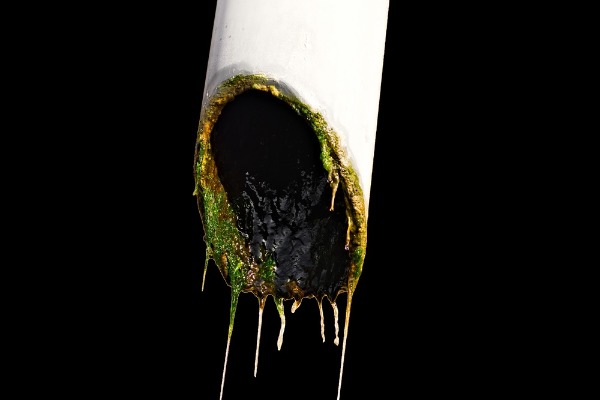
Tree roots don’t tunnel through solid pipe. They grow toward moisture, and a sewer line carrying wastewater is a steady source of it. Roots enter through existing gaps: a hairline crack, a separated joint, or a small offset where one pipe section has shifted from another. Once a root finds that opening, it grows into the available space, and as it grows, it widens the crack or joint separation that let it in.
This is why root cutting alone is a temporary fix. A cutting tool clears the root mass sitting inside the pipe, but the opening that root grew through is still there. Root fibers left behind grow back, often faster than before, because the disturbed area has already been widened. This cycle repeats until the underlying gap is addressed directly.
What Makes a Pipe Vulnerable in the First Place
Pipe material and age play a large role here. Homes and buildings built before the 1970s commonly used clay pipe for sewer lines, and older sections of Morristown reflect that housing stock. Clay pipe is durable in many respects, but it’s laid in short sections joined together, and those joints are the weak point. Over decades, soil settling, freeze-thaw cycles, and ground shifting can separate joints enough to let roots or groundwater in.
Cast iron sewer lines, also common in older homes, face a different vulnerability: corrosion. As cast iron pipe ages, it can develop small perforations from the inside out, and those openings are as inviting to root growth as a cracked joint.
Newer PVC pipe is more resistant to root intrusion because it has fewer joints and doesn’t corrode, but even PVC can develop problems at connection points or from ground movement over time.
Reading the Signs That the Issue Is Structural
A single root intrusion after years of no problems might genuinely be a one-time event, maybe a root growing toward a small pre-existing crack that hadn’t caused issues before. But certain patterns point to a structural issue that repeated clearing won’t fix:
- The same section of line needs clearing again within a few months of the last service
- Slow drains or gurgling sounds return shortly after a cleaning
- A camera inspection shows visible cracking, offset joints, or a pipe with a noticeably rough or uneven interior
- Backups happen after moderate rain, which can point to groundwater infiltration through the same openings roots are using
If any of these sound familiar, it’s worth having a sewer camera inspection done before scheduling another round of root cutting. The inspection shows exactly where the pipe is compromised and how extensive the damage is, which is the information you need to decide on a repair method.
Traditional Excavation Versus No-Dig Options
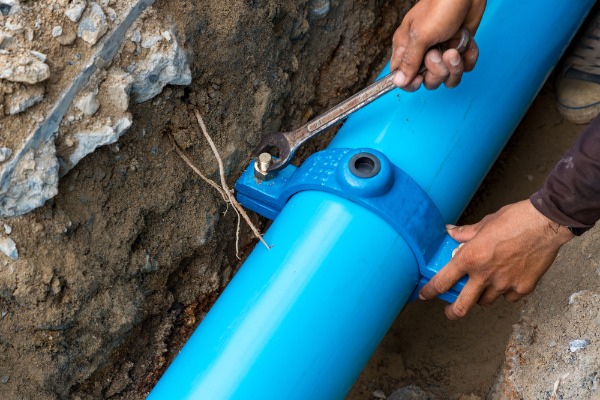
Once a camera inspection confirms a structural problem, there are generally two paths: dig up and replace the damaged section, or repair it without excavation. Traditional excavation means trenching through a yard, driveway, or in some cases a sidewalk or street to physically access and replace the pipe. It works, but it also means landscaping damage, potential permitting depending on the location of the line, and a longer project timeline.
No-dig pipe repair, more commonly called trenchless plumbing, addresses the same structural problem from inside the existing pipe. Instead of removing the damaged section, a new pipe or lining is installed within it, which means no trenching across the property.
How Trenchless Pipe Lining Solves the Root Problem Directly
CIPP pipe lining, which stands for cured-in-place pipe, is one of the more common trenchless pipe repair methods for root intrusion issues. A flexible liner coated in resin is inserted into the existing damaged pipe and then cured in place, usually with heat or UV light, until it hardens into a smooth, jointless pipe within the old one.
Because the finished liner has no joints, it removes the exact entry points roots were using. There’s no separated joint for a root to find, and no crack for water to seep through and attract new root growth. This is different from cutting roots out repeatedly, which never addresses the opening itself.
For pipes with more extensive damage, such as significant corrosion or collapse, trenchless pipe replacement using a method called pipe bursting may be a better fit. This process breaks apart the old pipe while simultaneously pulling a new pipe through the same path, replacing the line entirely without a traditional trench.
What the Trenchless Process Generally Looks Like
Sewer line trenchless repair typically follows a similar sequence regardless of which method is used. A camera inspection maps the damage and confirms the pipe is a good candidate for lining or bursting. Small access points, sometimes a single entry pit, are dug at the start and end of the affected section rather than trenching the full length of pipe. The liner or replacement pipe is installed through those access points, and a final camera inspection confirms the repair is sealed and functioning correctly.
The scope and timeline depend on the length of pipe involved and the extent of the damage, which is part of why an inspection comes before any repair recommendation rather than after.
Deciding If It’s Time to Move Past Root Cutting
If you’ve had the same line cleared more than once in a year, or if a technician has mentioned visible cracking or joint separation during a service call, that’s a reasonable point to ask for a full camera inspection rather than scheduling another cleaning. The cost of continuing to clear roots without addressing the pipe adds up over time, and each clearing cycle gives roots more room to grow back into.
Property owners in Morristown dealing with older clay or cast iron lines under mature trees are exactly the kind of situation where trenchless pipe repair contractors are typically brought in to evaluate whether lining or replacement makes more sense than another round of cutting.

Frequently Asked Questions
- Does trenchless pipe lining work for all types of root damage?
It works well for pipes with cracks, joint separation, or corrosion that haven’t fully collapsed. If a section of pipe has caved in or lost its shape entirely, pipe bursting or traditional replacement may be needed instead.
- Will trenchless repair stop roots from growing near the pipe at all?
It removes the pipe’s vulnerable joints and cracks, which stops roots from being able to enter that section. Roots can still grow near the pipe exterior, but without an opening to get through, they won’t cause the same blockages.
- How long does a CIPP liner typically last?
Manufacturers commonly rate cured-in-place liners for several decades of service life, though the actual lifespan depends on installation quality and the condition of the host pipe before lining.
- Is a sewer camera inspection needed before trenchless repair?
Yes. The inspection confirms the exact location and extent of the damage, which determines whether lining, bursting, or another approach is the right fit for that specific pipe.
Ready to Stop the Cycle?
Repeated root clearing on the same line is usually a sign that the pipe itself needs attention, not another cleaning. We at Sewer Surgeons offer camera inspections to pinpoint exactly what’s happening underground, and if trenchless repair is the right fit, our fully insured technicians handle the work with a 100% satisfaction guarantee behind it. Backups don’t wait for business hours, and neither do we. Our emergency services mean you can reach out any time the problem resurfaces. Give us a call and let’s find out what’s really going on with your line.