The “FOG” (Fats, Oils, and Grease) Solution: Why Restaurants Need Quarterly Jetting

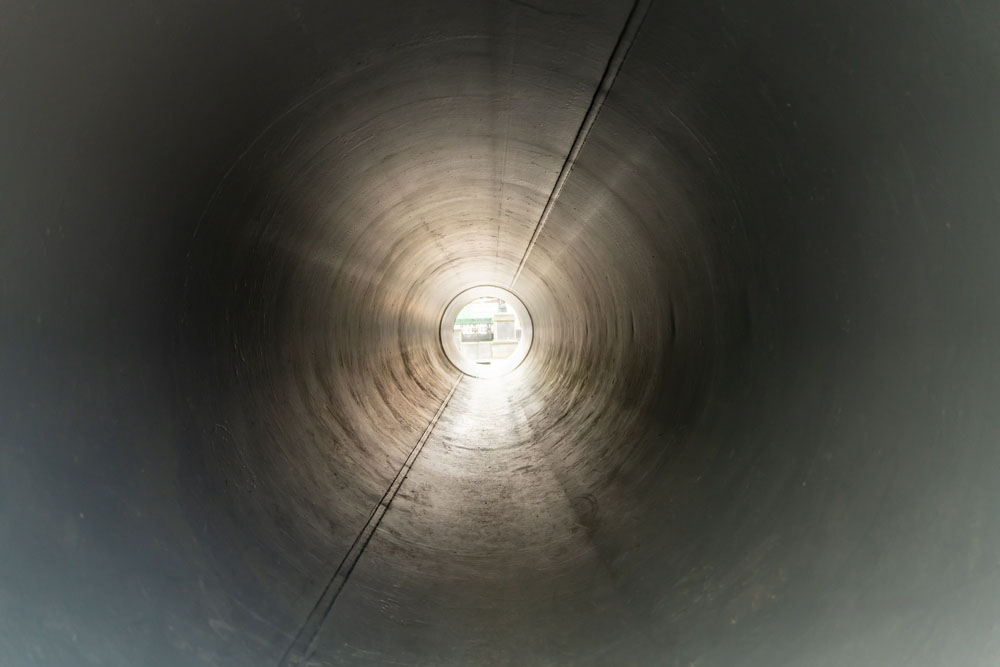
checking pipe using a camera after hydro jetting

Grease doesn’t announce itself. One shift it’s liquid fat sliding off a fryer basket, and a few weeks later it’s a concrete-like plug wedged inside a four-inch pipe. Kitchen managers who wait for a backup to tell them something’s wrong usually find out during a Friday dinner rush, not a quiet Tuesday morning.

Sewer Surgeons get called into commercial kitchens after chemical treatments and cable snakes have already failed, and the pattern repeats often enough to matter for anyone running a restaurant, from a downtown bistro to hydro jetting in Summit, NJ, locations tucked into strip malls near busy intersections.

Below is what actually happens to grease inside a pipe, why the usual tools can’t touch it once it sets, and why a quarterly schedule changes the math entirely.

What Happens When Grease Hardens Inside Commercial Pipes?

Fats, oils, and grease don’t stay in the state they left the fryer or grill. As they travel through cooling pipe runs, they:

  • Solidify against the interior pipe wall, layer by layer
  • Trap food particles, starches, and soap residue in the buildup
  • Narrow the pipe diameter gradually, so flow problems appear slowly and then all at once
  • Combine with mineral deposits to form a substance closer to soft concrete than kitchen waste

A pipe that looked clear on Monday can be half-blocked by the following week. This is why grease-related backups often feel sudden even though the buildup took months to form.

Why Chemical Drain Cleaners Fail Against FOG Buildup

Most commercial-grade drain chemicals are formulated to break down organic waste or dissolve hair and soap scum. Hardened grease is different. Once FOG cures against a pipe wall, it becomes chemically resistant, meaning standard cleaners either fail to penetrate it or only clear a thin channel through the middle, leaving the surrounding buildup intact. That channel narrows again within days.

Why Snaking Isn’t Enough for Restaurant Grease Lines

A cable or auger punches a hole through a clog. It does not remove what’s coating the pipe. Snaking a grease-choked line is similar to poking a hole through a clogged straw. Flow resumes temporarily, but the walls of the pipe remain caked, and the same spot clogs again within a matter of weeks. Restaurants that rely only on snaking often end up calling for service every month, sometimes more.

How Does Hydro Jetting Break Down Hardened Grease?

High-pressure hydro jetting uses water forced through the line at pressures strong enough to physically emulsify hardened grease, breaking it apart and flushing it out rather than just carving a path through it. Because the water pressure reaches the entire circumference of the pipe, not just the center, the result is a line scoured clean rather than one with a narrow channel restored.

This is also why hydro jetting service calls tend to solve problems that chemicals and cables couldn’t touch. Trained hydro jetting contractors adjust pressure and nozzle type based on pipe material and grease density, which matters for older restaurant plumbing that wasn’t built with commercial-volume grease in mind.

Why Quarterly Jetting Works Better Than Reactive Cleaning

Grease accumulates on a schedule tied to how much a kitchen fries, sautés, and grills. A quarterly hydro jetting services plan intercepts buildup before it hardens into a blockage, which keeps lines running at full diameter year-round. Kitchens on a quarterly plan report fewer slow drains, fewer odor complaints, and far fewer surprise closures during peak service hours.

Frequently Asked Questions

How long does a commercial hydro jetting appointment take?

Most restaurant kitchens are back in full operation within two to four hours, depending on how many lines need service and how much buildup has accumulated.

Can hydro jetting damage older commercial pipes?

A trained technician adjusts water pressure and nozzle selection to match pipe age and material, so cast iron, PVC, and older clay lines can all be serviced safely when the right equipment is used.

Does hydro jetting help with grease trap odors, not just clogs?

Yes. Since jetting removes the grease coating along the pipe walls rather than just clearing a passage, it also eliminates a major source of the sulfur smell tied to decomposing FOG buildup.

Getting Ahead of the Next Backup

A backed-up grease line rarely picks a convenient moment. It shows up mid-shift, during a private event, or on a weekend when a plumber’s van is the last thing anyone wants parked out front. That’s the case for emergency hydro jetting, available when a line fails without warning and a kitchen can’t afford to wait for a scheduled slot. Sewer Surgeons sends fully insured technicians to every job, and every appointment comes backed by 100% guaranteed satisfaction. If quarterly jetting isn’t already part of your kitchen’s maintenance routine, now is a reasonable time to change that.

Call Sewer Surgeons today to schedule your quarterly hydro jetting service!

Blast Away Clogs with the Power of Water

A professional technician performing sewer hydro jetting services

Dealing with recurring drainage problems creates unnecessary stress for homeowners. Traditional plunging and chemical cleaners frequently offer temporary relief, leaving the underlying blockage intact. A permanent solution requires a methods-based approach that targets the root cause of the pipeline restriction. High-pressure water clearing offers a highly efficient, environmentally friendly method to clear out debris completely. Sewer Surgeons provides specialized drain maintenance solutions designed to maximize pipeline flow and longevity. Property owners looking for a definitive resolution to stubborn blockages can rely on professional hydro jetting in Summit, NJ to re-establish optimal plumbing performance.

How Does High Pressure Water Clear Blocked Drains?

The process utilizes specialized equipment to pressurize water between 3,000 and 4,000 pounds per square inch. This pressurized water feeds through a heavy-duty hose equipped with a multi-directional nozzle. The nozzle propels itself forward into the plumbing line, firing high-velocity streams of water backward and forward simultaneously. This forward jet cuts through solid obstructions, while the rear-facing jets scrub the interior pipe walls clean.

Choosing professional hydro jetting services guarantees the removal of accumulated sludge that standard mechanical snakes leave behind. The force of the water shears away grease, soap scum, and scale formations from the inner perimeter of the conduit. This comprehensive scouring returns the pipe to its original interior diameter, which significantly decreases the likelihood of future accumulation.

What Can High Pressure Water Systems Remove From Pipes?

Accumulations inside a sewer lateral consist of various materials that enter the drainage system over years of occupancy. High-pressure water applications effectively clear a wide array of problematic substances:

  • Fats, Oils, and Grease (FOG): These substances enter kitchen drains as liquids but solidify at cool temperatures, creating thick blockages along the pipe floor.
  • Tree Root Intrusions: Fine root hairs find hairline fractures in sewer pipes, growing into massive root balls that trap solid waste. High-pressure water cuts these roots cleanly at the entry point.
  • Mineral Scale: Hard water leaves calcium and magnesium deposits on metal and PVC walls, narrowing the pathway for wastewater.
  • Foreign Objects and Silt: Flushable wipes, dirt, sand, and heavy paper products collect in sagging sections of a pipe, creating dense barriers.

Through specialized sewer hydro jetting, the structural integrity of the line remains protected while solid blockages disintegrate into microscopic particles that flush safely down the municipal sewer system.

Why Is Hydro Jetting Excellent Preventive Maintenance?

Investing in advanced pipe cleaning serves as an excellent defensive strategy for property management. Over time, normal usage builds film layers that catch passing debris. Periodic flushing prevents these thin coatings from transforming into complete blockages. Clean pipes minimize structural strain caused by standing water backpressure. Maintaining clean pipes preserves the integrity of the plumbing infrastructure, extending the operational lifespan of the underground conduits by decades.

Frequently Asked Questions About High Pressure Drain Cleaning

How often should residential sewer lines undergo high-pressure water blasting?

Most residential properties benefit from a comprehensive cleaning every eighteen to twenty-four months. Homes with mature landscaping or older clay pipes may require annual maintenance to manage recurring root growth. Commercial establishments, particularly restaurants and food processing facilities, usually schedule quarterly treatments to manage heavy grease accumulation.

Is high-pressure water cleaning safe for older plumbing systems?

A professional technician conducts a comprehensive closed-circuit television (CCTV) inspection before applying pressurized water. This visual assessment determines the structural stability of the pipeline. If the inspection reveals cast iron or PVC pipes in stable condition, the application is completely safe. Technicians adjust the pressure settings to match the specific structural limits of the material.

What signs indicate that a main sewer line requires a hydro jetting service?

Property owners should watch for multiple slow drains throughout the house, gurgling noises coming from toilets, or foul odors emanating from floor drains. Frequent sewer backups in basement fixtures indicate a severe restriction in the main lateral line that requires immediate high-pressure water clearing.

Contact Our Specialized Team Today

Maintaining a clear drainage system requires specialized expertise and heavy-duty equipment. Sewer Surgeons deliver exceptional results using advanced plumbing technology operated by highly trained technicians. Our team provides transparent, upfront pricing models so property owners know exactly what to expect before any work begins. We utilize state-of-the-art diagnostic cameras to verify the cleanliness of the lines post-treatment. Schedule an appointment today to secure a long-term solution for your home plumbing infrastructure.

How Hydro Jetting Restores Flow in Aging Cast Iron Pipes

hydro jetting equipment

Many older New Jersey homes still rely on cast iron drain and sewer pipes that have been in service for decades. While cast iron is durable, age and corrosion can gradually reduce the pipe’s ability to carry wastewater efficiently. One of the most common issues is tuberculation, a condition where rust deposits form rough, raised bumps along the interior pipe walls. These deposits catch debris, restrict flow, and contribute to recurring clogs.

At Sewer Surgeons, we often help homeowners evaluate options before considering extensive pipe work. If you’re researching hydro jetting in Westfield, NJ, understanding how this process addresses aging cast iron pipes can help you better understand your system’s condition and available solutions.

What Is Tuberculation?

Tuberculation occurs when corrosion inside cast iron pipes creates hard mineral and rust deposits that protrude into the pipe’s interior. Over time, these rough surfaces narrow the pipe opening and make it easier for grease, soap residue, and debris to become trapped.

Common signs of tuberculation include:

  • Recurring drain clogs
  • Slow drainage
  • Frequent backups
  • Gurgling sounds
  • Foul odors from drains

Why Traditional Cleaning Has Limitations

Basic drain snaking can often create a temporary opening through a blockage, but it may leave much of the accumulated buildup attached to the pipe wall. Professional hydro jetting services use pressurized water to clean a much larger portion of the pipe’s interior surface.

How High-Pressure Water Removes Buildup

Hydro jetting uses specialized equipment that directs water through the pipe at very high pressure. The force of the water helps break apart grease, sludge, debris, and many of the corrosion-related deposits that contribute to flow restrictions. This process can significantly improve the usable interior diameter of aging pipes.

Restoring Capacity Without Immediate Replacement

Not every aging cast iron pipe requires immediate replacement. The condition of the pipe itself plays a major role in determining available options. In some situations, sewer hydro jetting helps restore carrying capacity by removing accumulated material that has built up over many years.

The Importance of Camera Inspections

Before cleaning begins, technicians often inspect the pipe to evaluate its structural condition. A professional hydro jetting service frequently includes camera diagnostics that help determine whether the pipe can safely undergo the cleaning process.

Why Pressure Matters

The effectiveness of the cleaning depends on using the appropriate equipment and pressure settings for the pipe’s condition. Professional high-pressure hydro jetting is carefully controlled to target buildup while accounting for the age and integrity of the system.

Choosing Experienced Professionals

Cast iron systems require a thoughtful approach because every pipe ages differently. Experienced hydro jetting contractors understand how corrosion patterns, pipe thickness, and existing defects influence the cleaning strategy.

When Immediate Action Is Needed

Severe backups can create sanitation concerns and interfere with normal household activities. In those situations, emergency hydro jetting may be used to address significant blockages and restore drainage as quickly as possible.

Frequently Asked Questions

What is tuberculation in cast iron pipes?

Tuberculation is the buildup of rust and mineral deposits that form raised bumps inside aging cast iron pipes.

Can hydro jetting remove rust buildup?

Hydro jetting can help remove many deposits, debris accumulations, and corrosion-related obstructions that restrict flow.

Is hydro jetting safe for older cast iron pipes?

A camera inspection is typically used to evaluate pipe condition before determining whether hydro jetting is appropriate.

Does hydro jetting always eliminate the need for replacement?

No. Some pipes may have structural deterioration that requires repair or replacement, but hydro jetting can often improve flow when the pipe remains structurally serviceable.

Aging cast iron pipes do not always require immediate excavation or replacement when drainage problems appear. Sewer Surgeons is a third-generation family-owned company with more than three decades of experience serving residential and commercial customers. We specialize in trenchless sewer and water pipe repair and relining solutions while also providing excavation services when needed. Available 24/7, our team helps property owners evaluate their sewer systems and identify practical solutions based on the condition of the existing infrastructure.

Hydro Jetting vs. Snaking: Why a “Clear” Pipe Isn’t Always a “Clean” Pipe

clear pipe interior

When it comes to clearing stubborn clogs in your pipes, many homeowners face a common question: Is hydro jetting really worth it, or is snaking enough? While both methods aim to restore the flow of water, they work in completely different ways, and they can yield very different results. As the leading service provider of hydro jetting in Summit, NJ, Sewer Surgeons always stresses the importance of understanding how these two techniques compare, especially when it comes to long-term pipe health.

The Snaking Approach: A Quick Fix

Snaking a drain involves pushing a long, flexible cable through the pipe to break through a clog. While it can clear the immediate blockage, it doesn’t address the underlying cause. The snake might poke a hole through the clog, but it doesn’t scrub away the buildup of grease, minerals, or scale that lines the pipe walls. This is why snaking can be a temporary solution. While the pipe may appear clear after the job is done, the buildup remains, meaning clogs are likely to return. For a more thorough solution, professional hydro jetting services offer a much more comprehensive approach.

Hydro Jetting: Scrubbing the Walls Clean

Hydro jetting uses high-pressure water streams to “scrub” the inside of your pipes, blasting away not just the clog but also the grease, scale, and buildup that form the base for future blockages. This process clears the entire diameter of the pipe, which helps prevent recurring clogs and improves overall flow. Whether it’s grease buildup from years of cooking or mineral deposits from hard water, sewer hydro jetting removes all of it, leaving your pipes cleaner than they’ve been in years. This method is particularly useful for older plumbing systems where buildup has accumulated over time.

  • Hydro jetting clears out clogs and prevents them from coming back
  • Snaking only clears the immediate blockage without addressing buildup
  • High-pressure water works on nearly all types of clogs

For homeowners in Summit, NJ, who want a more thorough and long-lasting solution, hydro jetting service provides a clean, effective way to restore your pipes to their optimal condition.

The Long-Term Benefits of Hydro Jetting

While snaking may solve the problem for now, it doesn’t offer lasting results. Hydro jetting, on the other hand, can significantly extend the time before you’ll need another intervention. By fully cleaning your pipes, it helps maintain smoother water flow and reduces the likelihood of blockages recurring. Additionally, high-pressure hydro jetting helps maintain the integrity of your plumbing system. Over time, chemical cleaners or snaking can wear down your pipes, but hydro jetting, when done properly, won’t cause damage.

When to Call Hydro Jetting Contractors

If you’re dealing with frequent drain backups or slow drainage, it might be time to call in the professionals for emergency hydro jetting. If snaking hasn’t worked or your pipes are consistently clogged, it’s time to look at a more thorough solution. Hydro jetting clears out even the most stubborn debris, giving your pipes the deep clean they need.

FAQs

Can I use hydro jetting on any type of pipe?

Yes, hydro jetting contractors can safely use this technique on most types of pipes, including PVC, cast iron, and copper.

How often should I get hydro jetting services?

If you’re experiencing recurring clogs or slow drainage, it’s a good idea to schedule hydro jetting once every 1–2 years to keep your pipes in top shape.

Is hydro jetting safe for older plumbing systems?

Yes, hydro jetting services are safe for most older systems, but it’s always best to consult a professional to ensure your pipes can handle the high pressure.

How long does the hydro jetting process take?

Depending on the size of your system and the severity of the buildup, the process typically takes a few hours, but it’s much faster and more effective than snaking.

Get Your Pipes Cleaned the Right Way

For a truly clean pipe that lasts, hydro jetting is the clear winner. Whether you need routine maintenance or emergency hydro jetting, Sewer Surgeons provides high-pressure hydro jetting services designed to restore your pipes to perfect working condition. With fully insured technicians and 100% guaranteed satisfaction, we ensure your plumbing is clear and stays clear. Reach out to us today to schedule an appointment!

The Safety Precautions Professionals Take During Hydro Jetting

various hydro jetting equipment

When a stubborn clog refuses to clear, hydro jetting is a powerful solution, but it comes with risks if handled incorrectly. High-pressure water can remove years of buildup in a pipe, but it can also cause injury or damage if safety steps are ignored. We have seen firsthand the difference that proper precautions make, especially when performing hydro jetting in Summit, NJ, where older pipes and tight spaces demand both skill and care. At Sewer Surgeons, we approach every job with methods that prioritize safety while delivering effective results.

Assessing the Situation First

Before water ever hits the pipes, we evaluate the system. Professionals identify pipe material, diameter, and condition to prevent cracks or bursts. Understanding the layout helps us plan where the hose will go and how pressure should be applied. This initial assessment is a key part of hydro jetting services, ensuring we tackle the blockage without creating new problems.

Wearing the Right Protective Gear

Hydro jetting involves pressures strong enough to cut through grime, grease, and even roots. Protective gear is not optional; it is essential. Gloves, face shields, and waterproof clothing protect against unexpected splashes. Our team consistently follows these protocols during sewer hydro jetting to keep ourselves and the property safe.

Controlling Water Pressure

High-pressure water is effective, but it must be controlled carefully. Professionals adjust pressure based on pipe condition and blockage severity. Over-pressurizing can damage plumbing, while under-pressurizing may leave debris behind. We rely on best practices in high-pressure hydro jetting to balance power with precision.

Securing the Work Area

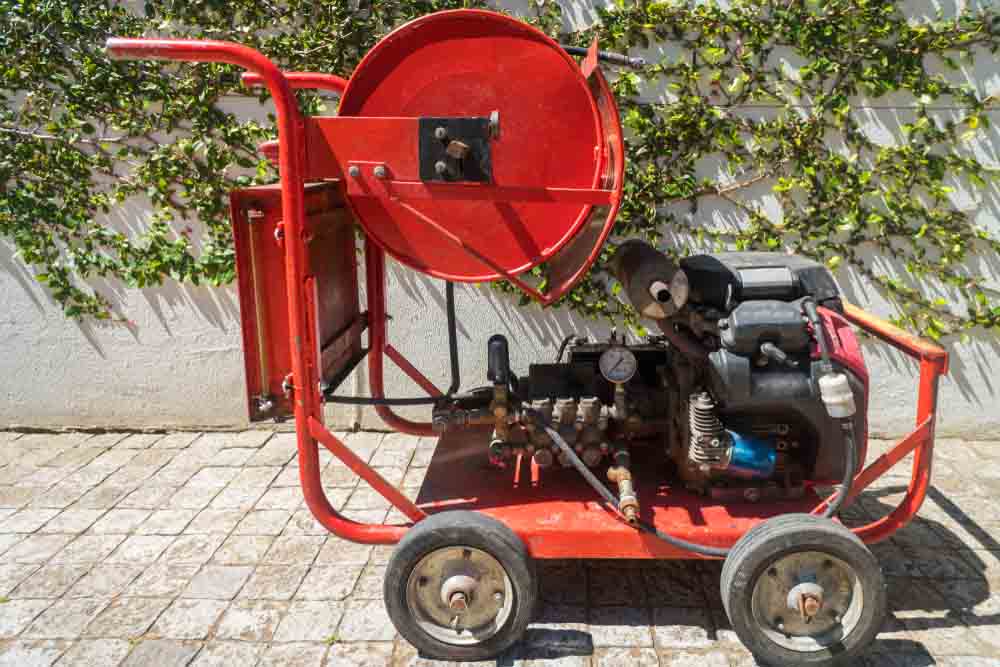
A hydro jetting setup requires space for hoses, reels, and pumps. We make sure walkways are clear and any bystanders are safely away from the work zone. Proper signage and caution measures prevent slips, trips, and accidental contact with equipment, which is a critical part of maintaining safety throughout the job.

Prepared for Emergencies

Even with precautions, situations can shift quickly. Our team carries the tools and training needed for emergency hydro jetting, so unexpected complications are managed without putting anyone at risk. Contingency planning is a standard part of our approach, giving property owners confidence that the job is handled responsibly.

Experienced Contractors Make the Difference

Hydro jetting is highly effective, but only when performed by knowledgeable hands. Skilled hydro jetting contractors know how to navigate obstacles, control equipment, and protect property while clearing stubborn clogs. Experience ensures both efficiency and safety, which is why homeowners trust professionals for this service.

Frequently Asked Questions

Is hydro jetting safe for older pipes?

Yes, when done by trained professionals who adjust pressure based on pipe material and condition.

Do I need to leave my home during hydro jetting?

You can usually stay home, but the work area should be clear and secure for safety.

Can high-pressure hydro jetting damage plumbing?

Improper use can cause damage, which is why professionals control pressure carefully and follow safety protocols.

How quickly can emergency hydro jetting be performed?

Licensed teams are equipped to respond immediately, often resolving blockages the same day.

Hydro jetting is powerful, but safety and precision make all the difference. Sewer Surgeons brings fully insured technicians, emergency services, and a 100 percent satisfaction guarantee to every job. We combine expert training with practical precautions so you get effective results without unnecessary risk. Get in touch with us today for your hydro jetting service!