Lorem ipsum dolor sit amet

Lorem ipsum dolor sit amet consectetur adipiscing elit. Quisque faucibus ex sapien vitae pellentesque sem placerat. In id cursus mi pretium tellus duis convallis. Tempus leo eu aenean sed diam urna tempor. Pulvinar vivamus fringilla lacus nec metus bibendum egestas. Iaculis massa nisl malesuada lacinia integer nunc posuere. Ut hendrerit semper vel class aptent taciti sociosqu. Ad litora torquent per conubia nostra inceptos himenaeos.

Lorem ipsum dolor sit amet consectetur adipiscing elit. Quisque faucibus ex sapien vitae pellentesque sem placerat. In id cursus mi pretium tellus duis convallis. Tempus leo eu aenean sed diam urna tempor. Pulvinar vivamus fringilla lacus nec metus bibendum egestas. Iaculis massa nisl malesuada lacinia integer nunc posuere. Ut hendrerit semper vel class aptent taciti sociosqu. Ad litora torquent per conubia nostra inceptos himenaeos.

Lorem ipsum dolor sit Non Existing amet consectetur adipiscing elit. Quisque faucibus ex sapien vitae pellentesque sem placerat. In id cursus mi pretium tellus duis convallis. Tempus leo eu aenean sed diam urna tempor. Pulvinar vivamus fringilla lacus nec metus bibendum egestas. Iaculis massa nisl malesuada lacinia integer nunc posuere. Ut hendrerit semper vel class aptent taciti sociosqu. Ad litora torquent per conubia nostra inceptos himenaeos.

Lorem ipsum dolor sit amet consectetur adipiscing elit. Quisque faucibus ex sapien vitae pellentesque sem placerat. In id cursus mi pretium tellus duis convallis. Tempus leo eu aenean sed diam urna tempor. Pulvinar vivamus fringilla lacus nec metus bibendum egestas. Iaculis massa nisl malesuada lacinia integer nunc posuere. Ut hendrerit semper vel class aptent taciti sociosqu. Ad litora torquent per conubia nostra inceptos himenaeos.

Lorem ipsum dolor sit amet consectetur adipiscing elit. Quisque faucibus ex sapien vitae pellentesque sem placerat. In id cursus mi pretium tellus duis convallis. Tempus leo eu aenean sed diam urna tempor. Pulvinar vivamus fringilla lacus nec metus bibendum egestas. Iaculis massa nisl malesuada lacinia integer nunc posuere. Ut hendrerit semper vel class aptent taciti sociosqu. Ad litora torquent per conubia nostra inceptos himenaeos.

Lorem ipsum dolor sit amet consectetur adipiscing elit. Quisque faucibus ex sapien vitae pellentesque sem placerat. In id cursus mi pretium tellus duis convallis. Tempus leo eu aenean sed diam urna tempor. Pulvinar vivamus fringilla lacus nec metus bibendum egestas. Iaculis massa nisl malesuada lacinia integer nunc posuere. Ut hendrerit semper vel class aptent taciti sociosqu. Ad litora torquent per conubia nostra inceptos himenaeos.

Lorem ipsum dolor sit amet consectetur adipiscing elit. Quisque faucibus ex sapien vitae pellentesque sem placerat. In id cursus mi pretium tellus duis convallis. Tempus leo eu aenean sed diam urna tempor. Pulvinar vivamus fringilla lacus nec metus bibendum egestas. Iaculis massa nisl malesuada lacinia integer nunc posuere. Ut hendrerit semper vel class aptent taciti sociosqu. Ad litora torquent per conubia nostra inceptos himenaeos.

Lorem ipsum dolor sit amet consectetur adipiscing elit. Quisque faucibus ex sapien vitae pellentesque sem placerat. In id cursus mi pretium tellus duis convallis. Tempus leo eu aenean sed diam urna tempor. Pulvinar vivamus fringilla lacus nec metus bibendum egestas. Iaculis massa nisl malesuada lacinia integer nunc posuere. Ut hendrerit semper vel class aptent taciti sociosqu. Ad litora torquent per conubia nostra inceptos himenaeos.

Lorem ipsum dolor sit amet consectetur adipiscing elit. Quisque faucibus ex sapien vitae pellentesque sem placerat. In id cursus mi pretium tellus duis convallis. Tempus leo eu aenean sed diam urna tempor. Pulvinar vivamus fringilla lacus nec metus bibendum egestas. Iaculis massa nisl malesuada lacinia integer nunc posuere. Ut hendrerit semper vel class aptent taciti sociosqu. Ad litora torquent per conubia nostra inceptos himenaeos.

Lorem ipsum dolor sit amet consectetur adipiscing elit. Quisque faucibus ex sapien vitae pellentesque sem placerat. In id cursus mi pretium tellus duis convallis. Tempus leo eu aenean sed diam urna tempor. Pulvinar vivamus fringilla lacus nec metus bibendum egestas. Iaculis massa nisl malesuada lacinia integer nunc posuere. Ut hendrerit semper vel class aptent taciti sociosqu. Ad litora torquent per conubia nostra inceptos himenaeos.

Lorem ipsum dolor sit amet consectetur adipiscing elit. Quisque faucibus ex sapien vitae pellentesque sem placerat. In id cursus mi pretium tellus duis convallis. Tempus leo eu aenean sed diam urna tempor. Pulvinar vivamus fringilla lacus nec metus bibendum egestas. Iaculis massa nisl malesuada lacinia integer nunc posuere. Ut hendrerit semper vel class aptent taciti sociosqu. Ad litora torquent per conubia nostra inceptos himenaeos.

Lorem ipsum dolor sit amet consectetur adipiscing elit. Quisque faucibus ex sapien vitae pellentesque sem placerat. In id cursus mi pretium tellus duis convallis. Tempus leo eu aenean sed diam urna tempor. Pulvinar vivamus fringilla lacus nec metus bibendum egestas. Iaculis massa nisl malesuada lacinia integer nunc posuere. Ut hendrerit semper vel class aptent taciti sociosqu. Ad litora torquent per conubia nostra inceptos himenaeos.

Lorem ipsum dolor sit amet consectetur adipiscing elit. Quisque faucibus ex sapien vitae pellentesque sem placerat. In id cursus mi pretium tellus duis convallis. Tempus leo eu aenean sed diam urna tempor. Pulvinar vivamus fringilla lacus nec metus bibendum egestas. Iaculis massa nisl malesuada lacinia integer nunc posuere. Ut hendrerit semper vel class aptent taciti sociosqu. Ad litora torquent per conubia nostra inceptos himenaeos.

Lorem ipsum dolor sit amet consectetur adipiscing elit. Quisque faucibus ex sapien vitae pellentesque sem placerat. In id cursus mi pretium tellus duis convallis. Tempus leo eu aenean sed diam urna tempor. Pulvinar vivamus fringilla lacus nec metus bibendum egestas. Iaculis massa nisl malesuada lacinia integer nunc posuere. Ut hendrerit semper vel class aptent taciti sociosqu. Ad litora torquent per conubia nostra inceptos himenaeos.

Lorem ipsum dolor sit amet consectetur adipiscing elit. Quisque faucibus ex sapien vitae pellentesque sem placerat. In id cursus mi pretium tellus duis convallis. Tempus leo eu aenean sed diam urna tempor. Pulvinar vivamus fringilla lacus nec metus bibendum egestas. Iaculis massa nisl malesuada lacinia integer nunc posuere. Ut hendrerit semper vel class aptent taciti sociosqu. Ad litora torquent per conubia nostra inceptos himenaeos.

Clogged Shower vs. Clogged Kitchen Drain: Why the Fix Isn’t the Same

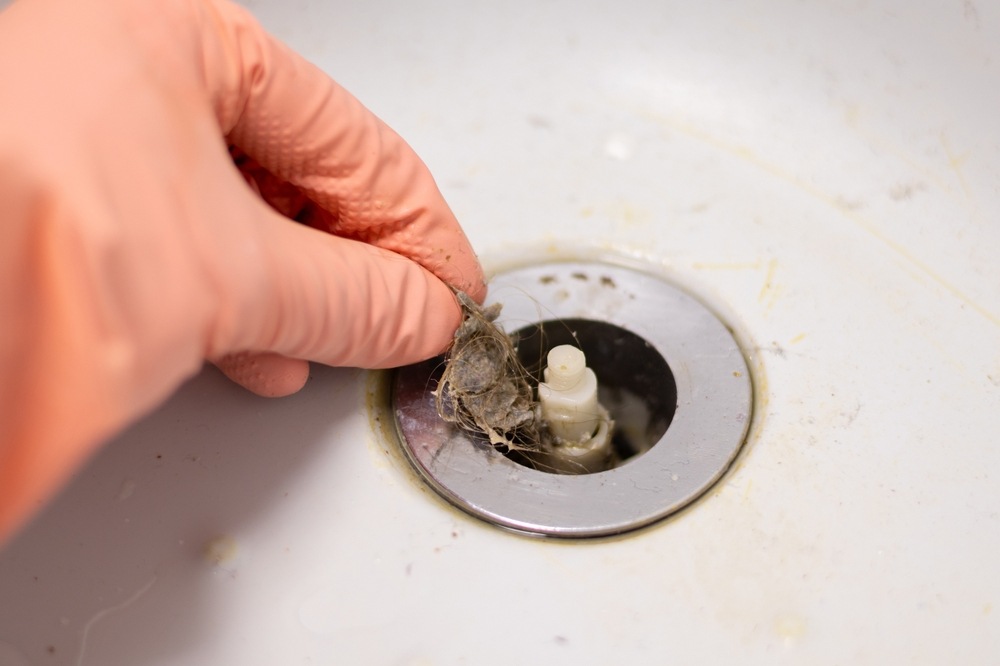
Man removes hair and debris from sink

A shower that drains slowly and a kitchen sink that won’t drain at all can feel like the same annoying problem. They’re actually two different situations with two different causes, and treating them the same way often leaves the clog waiting to come back. Sewer Surgeons gets calls about both every week, and the difference in what’s happening below the surface matters more than most homeowners realize. If you’re dealing with a stubborn blockage and searching for drain cleaning in Chatham, NJ, understanding what’s actually causing your clog is the first step toward a fix that lasts.

What Causes a Clogged Shower Drain?

Shower drains clog from what goes down them every single day:

  • Hair strands that wrap around the drain stopper
  • Soap scum that hardens into a waxy film
  • Skin cells and body oils that build up along pipe walls
  • Mineral deposits from hard water

These materials combine into a dense mass that clings to the inside of the pipe. A plunger might move water past it temporarily, but the buildup stays put and grows back within weeks.

What Causes a Clogged Kitchen Drain?

Kitchen drains face a different kind of buildup. Grease and cooking oil coat the pipe, cool down, and harden. Food particles, coffee grounds, and starchy residue get trapped in that grease layer and pack together. Over time this creates a thick, sticky blockage that behaves nothing like a hair clog. Pouring hot water down the drain might soften the grease for a moment, but it typically re-hardens further down the line, often at a bend where the pipe narrows.

Why These Two Drains Need Different Approaches

Hair and soap scum respond well to mechanical removal, since the clog sits close to the drain opening and can often be reached with the right tool. Grease-based clogs behave differently. They tend to coat a longer stretch of pipe and require a method that breaks down the buildup rather than just pushing it further along. A snake that clears a shower drain in minutes might barely dent a grease clog, and a treatment built for grease can be overkill for a hair tangle. Matching the method to the material is what actually clears the pipe instead of buying a few days of relief.

Signs the Problem Is Bigger Than a Single Drain

Sometimes a slow shower and a slow kitchen sink happen at the same time, along with gurgling toilets or water backing up in a basement floor drain. That pattern usually points to something further down the line rather than an isolated clog. This is where sewer cleaning comes into play, since a blockage in the main line affects every fixture connected to it. Catching this early keeps a minor slowdown from turning into a backup in the house.

How Professionals Handle Each Type of Clog

A trained technician inspects the fixture, identifies the material involved, and picks a tool suited to it, whether that’s a hand auger for a shower drain or hydro jetting for a grease-packed kitchen line. Camera inspection also plays a role when the cause isn’t obvious from the surface, giving a clear picture of what’s happening inside the pipe before any work begins. This combination of drain & sewer services covers everything from a single slow fixture to a full system backup.

Frequently Asked Questions

How often should shower and kitchen drains be professionally cleaned?

Most homes benefit from a professional cleaning once a year, though kitchens with heavy cooking or households with long hair may need it more often.

Can store-bought drain cleaners damage older pipes?

Yes, repeated use of chemical cleaners can corrode metal pipes and weaken PVC joints over time, especially in homes with aging plumbing.

Why does my drain clog again a few weeks after I clear it myself?

DIY tools often break through the clog without removing the material coating the pipe walls, so buildup reforms quickly in the same spot.

Whether it’s a slow shower, a backed-up sink, or something deeper in the line, sewer and drain cleaning works best when it’s matched to the actual cause. Sewer Surgeons sends fully insured technicians equipped to handle both everyday clogs and larger sewer line concerns, backed by 100% guaranteed satisfaction on every job. Emergency situations don’t wait for business hours, and neither should the help you call for one.

If a drain in your home isn’t behaving the way it should, reach out and get it looked at before it turns into a bigger repair.

How Plumbing Impacts Customer Perception in Restaurants and Retail

plumbing showroom

A cracked faucet in the dining room. A restroom that smells faintly of standing water. A backed-up floor drain in the kitchen during the lunch rush. None of these moments show up on a menu or a price tag, yet they shape how a customer feels about a business within seconds. Sewer Surgeons has watched how plumbing problems ripple through restaurants, boutiques, and retail spaces, changing the way people view a brand before a single word gets exchanged. For businesses researching commercial plumbing in Chatham, NJ, the tie between working pipes and customer trust is worth a closer look.

Restrooms Set the Tone Before Anyone Speaks

Few things sink a customer’s confidence faster than a restroom that isn’t working right. A clogged toilet, a sink that won’t drain, or a persistent odor near the floor tells a visitor that maintenance isn’t a priority, and that impression tends to follow them straight to their opinion of the food or the merchandise. Common warning signs include:

  • Slow-draining sinks that pool water around the counter
  • Flickering or lukewarm water heaters
  • Musty smells near floor drains
  • Handles or faucets that stick, squeak, or leak

A quick response from a commercial plumber keeps these small issues from becoming the thing a customer remembers most about their visit.

Kitchen Delays Slow Down the Whole Dining Experience

Behind the scenes, a grease trap that backs up or a dishwasher line with weak water pressure can throw off an entire shift. Cooks fall behind, servers apologize for wait times, and tables turn over slower than planned. Walk-in coolers with clogged drain lines add another layer of risk, since standing water near food storage can force a kitchen to shut down mid-service. Reliable plumbing services keep these systems running quietly in the background, so the kitchen never becomes the reason a table is left without ordering dessert.

Retail Floors and Fixtures Reflect on the Brand

Retail spaces face their own version of this problem. A slow leak near a fitting room, a water stain spreading across a ceiling tile, or a staff restroom that’s out of order sends a message about how much attention goes into the details customers don’t see but somehow still notice. Water damage near display areas can also affect flooring and fixtures, turning a small plumbing issue into a costly repair project. Catching a commercial plumbing repair early, before it reaches the sales floor, protects both the space and the impression it leaves.

Emergency Plumbing Issues Can Shut Down a Business for a Day

A burst pipe or a sewer backup during business hours doesn’t just cause a mess. It can force a full closure, cancel reservations, and generate the kind of online review that sticks around long after the leak gets fixed. This is where emergency commercial plumbing response matters most, since the difference between a two-hour fix and a full-day shutdown often comes down to how fast help arrives. For businesses planning a renovation or a new build, working with experienced commercial plumbing contractors on plumbing installation from the start helps avoid these situations altogether.

Frequently Asked Questions

How often should a restaurant or retail store schedule plumbing inspections?

Most commercial spaces benefit from a professional inspection twice a year, with more frequent checks for older buildings or high-traffic kitchens where grease and mineral buildup happen faster.

Can outdated plumbing affect a health inspection score?

Yes. Inspectors often flag slow drains, low water pressure at handwashing stations, and leaks near food prep areas, all of which can lower a score even when the food itself meets every standard.

What’s the fastest way to handle a plumbing emergency during business hours?

Shutting off the main water valve immediately limits damage, but calling a plumbing team right away is what keeps a temporary problem from turning into a full closure.

Keeping the Doors Open and the Reviews Positive

Plumbing rarely gets credit when it works and never gets forgiven when it doesn’t. For restaurants and retail stores, that makes it one of the few behind-the-scenes systems with a direct line to customer perception. Sewer Surgeons offers emergency services for the moments that can’t wait, backed by fully insured technicians who know how commercial spaces operate under pressure. Every job comes with a 100% guaranteed satisfaction commitment, because a business’s plumbing should never be the reason a customer doesn’t come back.

Schedule an inspection now, before a small leak becomes tomorrow’s bad review.

Thermal Fluid Dynamics: Tracking Interstitial Wall Cavity Leaks via Micro-Kelvin Infrared Thermography

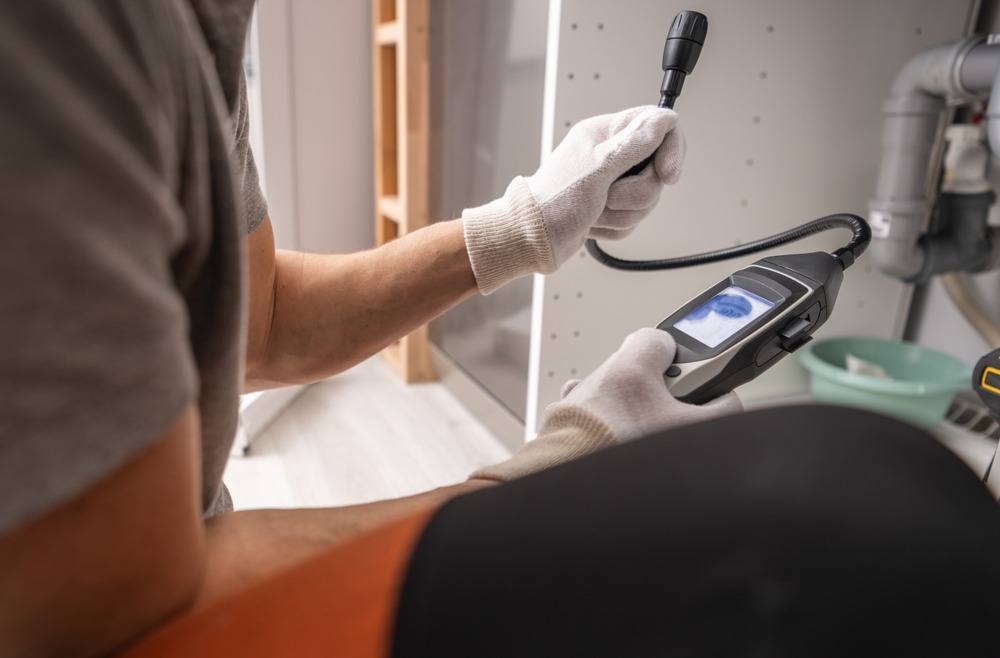
water leak detection

A wall can hide a lot before it ever shows a stain. Paint stays smooth, drywall stays flat, and a soaked stud can sit behind that surface for weeks without a visible sign. This is the gap that infrared thermography closes for the technicians at Sewer Surgeons, a way to read temperature differences on a wall’s surface that the human eye cannot register on its own. For homeowners searching for water leak detection in Chatham, NJ, that gap between what a wall looks like and what is actually happening inside it is exactly what this technology is built to close.

How Does Infrared Thermography Actually Find Water Behind a Wall?

Infrared cameras do not see through drywall. No sensor on the market does. What these cameras capture is the radiant heat leaving a surface, translated into a color-coded map of temperature values across that surface. A technician trained in plumber leak detection reads that map for patterns, small clusters of cooler pixels, that point toward what is happening inside the wall cavity.

The camera itself only captures surface information. Interpreting that data correctly, and tracing it back to a specific pipe joint, takes the added step of physical inspection once thermal readings flag a likely zone. The scan narrows the search area; the technician confirms the source.

What Is Evaporative Cooling and Why Does a Leak Show Up as a Cold Spot?

Water changes temperature as it evaporates, and it pulls heat from whatever surface it sits on to do so. When a pipe joint leaks slowly behind a wall, moisture soaks into the wood framing and the back of the drywall. As that moisture evaporates, it draws warmth out of the surrounding material.

The temperature drop involved is small, often a fraction of a degree measured in micro-Kelvin increments, far below what a hand pressed against the wall could ever detect. A radiometric camera calibrated for pipe leak detection registers that shift and displays it as a distinct cool zone against the surrounding wall temperature.

A few variables shape how strong that cool zone appears on camera:

  • How long the leak has been active
  • The type of insulation or backing material inside the wall
  • Room humidity and HVAC airflow near the affected surface
  • The distance between the leak source and the visible wall surface

How Do Technicians Trace a Cold Spot Back to the Actual Pipe?

A single cool patch on a thermal scan rarely marks the leak’s exact origin. Water often travels along a stud, a joist, or a section of subfloor before gravity pulls it to the lowest available point, so the visible cold zone can sit several feet from the actual pipe joint.

Effective water pipe leak detection works backward from that pattern. Technicians follow the shape and gradient of the thermal anomaly, cooler nearest the moisture source and tapering outward, to narrow down where water is entering the wall cavity. Moisture meters and, when needed, a small inspection opening confirm the reading before any repair work begins.

What Happens After a Thermal Scan Identifies a Leak?

Once a scan narrows the problem to a specific section of wall, the next steps depend on what is actually happening inside the pipe. A slow pinhole leak calls for different work than a burst pipe repair, where water pressure has already forced a rupture in the line and the priority shifts to stopping flow and drying the structure quickly.

For active flooding situations, emergency leak detection moves ahead of any other diagnostic work. Locating the source fast limits how far water travels through framing, insulation, and flooring before repairs can begin.

Typical next steps include:

  • Confirming the leak location with a moisture meter or small access cut
  • Shutting off water to the affected line
  • Repairing or replacing the damaged pipe section
  • Drying the wall cavity fully before closing it back up

Frequently Asked Questions

Can infrared thermography detect a leak through tile or exterior siding?

Thermal imaging works well on most interior wall surfaces. Exterior siding, tile, and stone store and release heat differently than drywall, which can interfere with an accurate reading. Technicians typically pair exterior scans with additional moisture testing before recommending water leak repair.

Does a thermal scan work on a leak that started days ago?

Yes, though the size of the detectable cool zone often depends on how much moisture has accumulated and how humid the room is. A very fresh leak and an old, dried-out one can both be harder to read than a leak that has been active for a day or two.

Is infrared scanning something a homeowner can do with a phone attachment?

Consumer-grade thermal attachments can flag general temperature differences. They lack the sensitivity to register micro-Kelvin shifts and the calibration needed to rule out false positives from sunlight, HVAC vents, or wiring inside the wall.

A wall’s surface temperature holds information most homeowners never think to read, and closing that gap is what keeps a small leak from turning into a major repair bill. Sewer Surgeons pairs thermal imaging with fully insured technicians who back their findings with 100% guaranteed satisfaction on every job. Whether the situation calls for routine leak detection services or emergency services after a pipe has already failed, reaching out early gives a wall the best chance of a clean, contained repair before further damage spreads. From slow drips to full-blown burst pipe lines, a quick call puts a trained eye and a calibrated camera on the problem right away. 

Ready to see what’s happening inside your walls? Call Sewer Surgeons today to schedule a thermal scan.

Neighborhood-Wide Sewer Line Concerns: Why Your Neighbors’ Problems Might Be Yours Too

sewer line repair

A backed-up drain two houses down might look like someone else’s headache. In plenty of neighborhoods, sewer pipes connect in ways homeowners rarely think about until a clog, a collapse, or a root intrusion three doors away shows up in their own basement. Sewer Surgeons hear this story often: a homeowner calls confused about water backing up with no obvious cause, then learns the real trouble started on a shared line down the street. If you live in an older development, a rural cul-de-sac, or a community built decades ago, understanding these connections can spare you an expensive surprise. For anyone searching for sewer line repair in Chatham, NJ, this shared-line reality is often the missing piece of the puzzle.

Why Would My Neighbor’s Sewer Problem Become My Problem?

Many older neighborhoods were built with pipe layouts that connect multiple properties before reaching the municipal main. Tree roots don’t stop at property lines either, so a root mass that started under a neighbor’s yard can travel and choke a pipe two or three homes away. A blockage anywhere along that shared path can send wastewater backward, and the house with the lowest elevation on the line usually feels it first. Sewer system repair on one property can genuinely depend on what’s happening upstream.

How Are Sewer Lines Connected Between Homes?

Every home has a private lateral that runs from the house to the municipal main under the street. In older or rural neighborhoods, that layout gets more complicated:

  • Shared laterals that serve two or more homes before joining the main line
  • Aging clay, cast iron, or Orangeburg pipe that cracks and shifts with soil movement
  • Mature tree root systems that spread across multiple yards
  • Uneven grading or settling that affects an entire street’s drainage

A cracked joint on one property can cause backups on another, even if the second home’s own plumbing is in good shape. Homes with pipes from the same construction era also tend to fail around the same time, since the same materials degrade at similar rates.

What Are the Warning Signs of a Neighborhood-Wide Sewer Issue?

Certain patterns point to a shared problem rather than something isolated to your own plumbing:

  • Multiple homes on the same street reporting backups within days of each other
  • Gurgling drains or slow-draining fixtures with no recent change in your own water use
  • Sewage odor outside near the yard or curb, not just indoors
  • A sudden backup right after a neighbor has plumbing work done

A sewer line inspection with a camera can confirm whether the blockage or damage sits on your private lateral or further down a shared section. Catching this early often turns a messy emergency into a scheduled fix.

Who Is Responsible for Repairs When Multiple Homes Are Involved?

Responsibility usually splits at the property line: everything from your house to that line is yours, and the municipality typically owns the main under the street. Shared laterals complicate this. Some municipalities and HOAs have written agreements spelling out how repair costs get divided among connected homeowners, while others leave it to the affected residents to work it out. A licensed team among local sewer repair contractors can pull permit records and pipe maps to clarify exactly where your responsibility starts and ends, which matters when a dispute over cost comes up.

What Should You Do If You Suspect a Shared Line Problem?

Start with a conversation with your neighbors. If more than one home is affected, a joint inspection saves everyone time and money compared to separate service calls. From there:

  • Ask for a camera inspection to pinpoint the exact location of the damage
  • Request documentation showing whether the issue sits on your lateral or a shared segment
  • Ask about trenchless sewer repair, which can fix cracked or collapsed pipe without tearing up the entire yard or driveway
  • Get a written estimate that separates sewer pipe repair costs from any shared-line work

Acting on the first sign of trouble, rather than waiting for a full backup, tends to keep the job smaller and less disruptive.

FAQ

Can I be held responsible for damage caused by a neighbor’s sewer line? 

Generally, you’re only responsible for the portion of the pipe on your own property. If damage from a neighbor’s section spreads onto your land, liability often depends on local ordinances and any recorded easement agreements, so a records check is worth doing before assuming fault either way.

Does homeowners insurance cover sewage backups from a shared line? 

Standard homeowners policies frequently exclude sewer backups unless you’ve added a specific endorsement or rider. Coverage details vary by insurer and policy, so checking with your provider before an incident happens is the safer route.

How do I find out if my home shares a sewer line with my neighbors? 

Municipal records, plat maps, or a call to your local public works department can confirm your lateral layout. A camera scope of your line will also reveal the connection points if paperwork is unclear or outdated.

Sewer trouble that seems to come out of nowhere is often the tail end of something building for years, sometimes on a property that isn’t even yours. Getting ahead of it starts with a clear picture of how your line connects to the rest of the street, followed by the right fix, whether that’s a targeted repair or a full sewer line replacement. Sewer Surgeons offers emergency services for the moments that can’t wait, backs every job with fully insured technicians, and stands behind the full range of sewer line services with 100% guaranteed satisfaction.

If something feels off with your drains, or a neighbor just mentioned a backup of their own, reach out now before it turns into an emergency sewer line repair.

The “FOG” (Fats, Oils, and Grease) Solution: Why Restaurants Need Quarterly Jetting

checking pipe using a camera after hydro jetting

Grease doesn’t announce itself. One shift it’s liquid fat sliding off a fryer basket, and a few weeks later it’s a concrete-like plug wedged inside a four-inch pipe. Kitchen managers who wait for a backup to tell them something’s wrong usually find out during a Friday dinner rush, not a quiet Tuesday morning.

Sewer Surgeons get called into commercial kitchens after chemical treatments and cable snakes have already failed, and the pattern repeats often enough to matter for anyone running a restaurant, from a downtown bistro to hydro jetting in Summit, NJ, locations tucked into strip malls near busy intersections.

Below is what actually happens to grease inside a pipe, why the usual tools can’t touch it once it sets, and why a quarterly schedule changes the math entirely.

What Happens When Grease Hardens Inside Commercial Pipes?

Fats, oils, and grease don’t stay in the state they left the fryer or grill. As they travel through cooling pipe runs, they:

  • Solidify against the interior pipe wall, layer by layer
  • Trap food particles, starches, and soap residue in the buildup
  • Narrow the pipe diameter gradually, so flow problems appear slowly and then all at once
  • Combine with mineral deposits to form a substance closer to soft concrete than kitchen waste

A pipe that looked clear on Monday can be half-blocked by the following week. This is why grease-related backups often feel sudden even though the buildup took months to form.

Why Chemical Drain Cleaners Fail Against FOG Buildup

Most commercial-grade drain chemicals are formulated to break down organic waste or dissolve hair and soap scum. Hardened grease is different. Once FOG cures against a pipe wall, it becomes chemically resistant, meaning standard cleaners either fail to penetrate it or only clear a thin channel through the middle, leaving the surrounding buildup intact. That channel narrows again within days.

Why Snaking Isn’t Enough for Restaurant Grease Lines

A cable or auger punches a hole through a clog. It does not remove what’s coating the pipe. Snaking a grease-choked line is similar to poking a hole through a clogged straw. Flow resumes temporarily, but the walls of the pipe remain caked, and the same spot clogs again within a matter of weeks. Restaurants that rely only on snaking often end up calling for service every month, sometimes more.

How Does Hydro Jetting Break Down Hardened Grease?

High-pressure hydro jetting uses water forced through the line at pressures strong enough to physically emulsify hardened grease, breaking it apart and flushing it out rather than just carving a path through it. Because the water pressure reaches the entire circumference of the pipe, not just the center, the result is a line scoured clean rather than one with a narrow channel restored.

This is also why hydro jetting service calls tend to solve problems that chemicals and cables couldn’t touch. Trained hydro jetting contractors adjust pressure and nozzle type based on pipe material and grease density, which matters for older restaurant plumbing that wasn’t built with commercial-volume grease in mind.

Why Quarterly Jetting Works Better Than Reactive Cleaning

Grease accumulates on a schedule tied to how much a kitchen fries, sautés, and grills. A quarterly hydro jetting services plan intercepts buildup before it hardens into a blockage, which keeps lines running at full diameter year-round. Kitchens on a quarterly plan report fewer slow drains, fewer odor complaints, and far fewer surprise closures during peak service hours.

Frequently Asked Questions

How long does a commercial hydro jetting appointment take?

Most restaurant kitchens are back in full operation within two to four hours, depending on how many lines need service and how much buildup has accumulated.

Can hydro jetting damage older commercial pipes?

A trained technician adjusts water pressure and nozzle selection to match pipe age and material, so cast iron, PVC, and older clay lines can all be serviced safely when the right equipment is used.

Does hydro jetting help with grease trap odors, not just clogs?

Yes. Since jetting removes the grease coating along the pipe walls rather than just clearing a passage, it also eliminates a major source of the sulfur smell tied to decomposing FOG buildup.

Getting Ahead of the Next Backup

A backed-up grease line rarely picks a convenient moment. It shows up mid-shift, during a private event, or on a weekend when a plumber’s van is the last thing anyone wants parked out front. That’s the case for emergency hydro jetting, available when a line fails without warning and a kitchen can’t afford to wait for a scheduled slot. Sewer Surgeons sends fully insured technicians to every job, and every appointment comes backed by 100% guaranteed satisfaction. If quarterly jetting isn’t already part of your kitchen’s maintenance routine, now is a reasonable time to change that.

Call Sewer Surgeons today to schedule your quarterly hydro jetting service!

The “Check Valve” Hammer: Why Your Pipes “Bang” Every Time the Pump Stops

sump pump repair

Every time your sump pump shuts off, something violent happens inside your discharge pipe. A loud bang travels through the basement walls, rattling picture frames and startling anyone nearby. Homeowners often blame old pipes or a tired pump motor. The real cause is usually smaller and cheaper to fix: a worn or missing check valve. Sewer Surgeons receives calls about this exact bang more than almost any other basement complaint, especially from owners of sump pumps in Chatham, NJ, working against clay soil and high groundwater tables.

What Causes the Banging Noise When Your Sump Pump Shuts Off?

The bang is a textbook case of water hammer, a pressure event that happens whenever moving water is forced to stop suddenly. Here’s the sequence playing out inside your walls:

  • The pump pushes a column of water upward through the discharge pipe while it runs
  • The basin empties, the float switch drops, and the pump cuts power
  • Gravity takes over instantly, and that entire column of water starts falling back down
  • The falling water picks up speed across several feet of vertical pipe before hitting anything solid
  • That mass of water slams into the pump housing, fittings, or a closed valve with real force

That impact is what you hear as a bang, thud, or knock. It also happens fast, often within a second of shutoff, which is why it always seems to catch people off guard right after the pump stops running.

Why Does a Silent Check Valve Stop the Slam?

A check valve is a one-way gate installed in the discharge line. Water moves up through it freely while the pump runs, and the moment the pump stops, the valve closes and holds the water column above it in place. No reversal, no falling water, no impact.

Older or lower-grade valves close hard, with a metal flapper or ball smacking shut against the seat. That produces its own clack or thud, just a smaller one than the original water hammer. A quality “silent” check valve uses a spring-assisted or rubber-seated design that closes gently and completely before gravity has a real chance to pull water backward. Proper sump pump installation with the right valve in the right location solves this at the source instead of masking it.

What Happens to Your Pipes If the Banging Continues?

Water hammer doesn’t stay a noise problem for long. Rigid PVC fittings and glued joints aren’t built to absorb repeated shock waves, and every cycle chips away at their integrity:

  • Glued joints loosen or crack at the seams
  • Threaded fittings back off slightly with each impact, creating slow leaks
  • The pump’s internal check mechanism wears prematurely, leading to early sump pump repair calls
  • Vibration transfers to the foundation wall penetration, sometimes opening a path for groundwater

Left alone long enough, a cracked joint can mean a flooded basement during the next heavy rain, which is precisely when the pump needs to work hardest. A full sump pump replacement becomes the only option once a cracked pipe damages the pump housing itself.

How Do You Know If Your Check Valve Is Failing?

A few signs point directly to a valve past its prime. Listen for water gurgling or flowing backward into the basin right after the pump shuts off. Check for visible corrosion, cracking, or a flapper that no longer seats flush. Watch for short cycling, where the pump kicks on and off every few minutes because backflow keeps refilling the basin. Routine sump pump maintenance catches these issues before a valve fails completely during a storm.

Frequently Asked Questions

How much does it cost to replace a sump pump check valve?

Most valve replacements fall in a modest price range, since labor and parts are minimal compared to full pump work. Costs climb if the surrounding pipe needs to be cut and re-glued to fit a new valve properly.

Can I install a check valve myself?

It’s a straightforward job for someone comfortable with PVC cutting and gluing, though orientation matters. An arrow on the valve body has to point in the direction of flow, and a valve installed backward won’t stop the water hammer at all.

How long do sump pump check valves last?

Most last five to seven years under normal use. Homes with frequent pump cycles, hard water, or older cast-iron valves often see failure sooner.

Basement noise is rarely the actual problem, just the warning sign of stress building somewhere in the system. Sewer Surgeons is a sump pump company built around catching that stress before it becomes a cracked joint or a flooded floor, backed by fully insured technicians and 100% guaranteed satisfaction on every job. Our sump pump contractors handle everything from a simple valve swap to full emergency sump pump service when a pump fails without warning. If your pipes have started knocking, reach out and get it looked at before the next storm puts real weight on that column of water.

From Backup to Breakthrough: Local Drain Solutions

Professional drain and sewer services technician performing main line hydro jetting and video camera inspection for a residential home.

A clogged pipe changes your entire day in seconds. Water pools around your feet in the shower, or worse, dark residue backs up into your kitchen sink. These moments cause immediate stress, leaving you looking for quick, reliable answers before minor plumbing issues escalate into costly property damage. Recognizing the early warning signs saves time and protects your home from severe structural complications. Sewer Surgeons provide a direct line to clarity and fast relief when your plumbing fails to perform. If your home experiences slow drainage or unusual gurgling noises, it is time to look at professional drain cleaning in Berkeley Heights, NJ to fix the root cause.

Why Is Your Main Line Backing Up?

Main sewer lines clog for several specific reasons. Tree roots seek out moisture, entering tiny cracks in your pipes and expanding until they completely block the flow. Daily household habits also contribute to the problem. Grease poured down the kitchen sink solidifies inside the line, catching hair, soap scum, and flushable wipes that do not actually dissolve. Over the years, these materials create a thick sludge that narrows the pipe diameter, eventually stopping all water flow from your home.

How Professionals Clear Stubborn Blockages

Handheld snakes and chemical cleaners bought at local stores rarely solve major pipe blockages. Professional technicians rely on heavy-duty equipment to clear lines fully. Motorized drain augers cut through dense tree roots and solid obstructions easily. For grease and scale buildup, high-pressure water jetting scours the interior walls of the pipe, returning it to its original capacity. This comprehensive approach prevents the immediate return of the clog, keeping your plumbing system functional for a much longer period.

  • Video Camera Inspections: High-definition cameras travel down the line to pinpoint the exact location and cause of the blockage without digging up your yard.
  • Hydro Jetting: Blasts of pressurized water remove grease, mineral scale, and debris from the pipe walls.
  • Mechanical Snaking: Heavy steel cables rotate through the line to break up solid obstructions and root intrusions.

What Are the Signs of a Main Sewer Line Clog?

Identifying a main line issue early prevents raw sewage from entering your living spaces. Unlike a simple clog in a single fixture, a main line problem affects multiple drains simultaneously.

  • Multiple Clogged Fixtures: Flushing the toilet causes water to back up into your shower or bathtub.
  • Gurgling Noises: Air trapped in the system creates bubbling sounds in your toilets when you run the bathroom sink or washing machine.
  • Sewer Odors: A distinct foul smell near your floor drains or outside your home indicates a broken or completely blocked sewer line.

Investing in timely sewer and drain cleaning protects your family from biohazards and maintains the structural integrity of your plumbing network.

Frequently Asked Questions

How often should residential sewer lines be cleaned proactively?

Residential sewer lines benefit from professional cleaning every 18 to 24 months. Homes with mature trees near the sewer pathway or older clay pipes require annual inspections to stop root intrusion before a total blockage occurs.

Can chemical drain cleaners damage home plumbing systems?

Yes, chemical cleaners generate intense heat that softens PVC pipes and corrodes older cast iron lines. These chemicals often trap themselves behind the clog, eating away at your plumbing materials while failing to clear the actual obstruction.

What should you do immediately during a sewage backup?

Turn off your main water supply line to stop adding liquid to the system. Avoid flushing toilets or running any faucets, then contact a specialist for emergency drain cleaning to safely clear the main line backup.

Reliable Maintenance for Long-Term Main Line Health

Persistent plumbing issues require specialized expertise to resolve properly. Sewer Surgeons diagnoses your pipe vulnerabilities accurately using advanced diagnostic tools, ensuring your drainage system operates perfectly. Choosing professional drain & sewer services guarantees that your home remains safe, clean, and free from unexpected pipe failures. Contact our team today to schedule an inspection and establish a reliable, clear path forward for your home’s plumbing health.

Stop the Silent Soak: Pro Tips for Your Pipes

Professional water leak detection equipment revealing hidden moisture patterns behind a residential wall

A quiet drip behind your drywall or a microscopic fissure beneath your concrete slab can quietly waste thousands of gallons of water before you notice a single spot of moisture. These hidden plumbing failures structural damage your foundation, rot wall studs, and inflate utility bills without warning. Spotting these issues early requires vigilance and the right professional partnership. Homeowners looking to protect their property can rely on Sewer Surgeons for precise, non-invasive residential plumbing solutions. Recognizing the subtle warning signs early keeps a minor issue from turning into a catastrophic property hazard, making proactive water leak detection in Westfield, NJ a vital step for every local property owner.

What Are the Hidden Signs of a Water Leak?

Hidden plumbing issues rarely stay completely invisible; they leave subtle clues that point directly to the problem area. Homeowners who know what to look for can catch these issues before major property damage occurs.

  • Unexplained Utility Spikes: A sudden, unaccounted-for jump in your monthly water bill almost always points to a continuous flow somewhere in your plumbing network.
  • Low Water Pressure: If your showers and faucets suddenly lose their normal force, water is likely escaping from a damaged line before it reaches your fixtures.
  • Musty Odors and Mold: Dark, damp spaces behind walls or under floors create the perfect environment for mold spores to thrive, often releasing a distinct, earthy smell.
  • Sound of Running Water: Hearing a faint hissing or rushing sound when all your faucets are completely turned off indicates an active, hidden flow.

How Do Professionals Locate Hidden Pipe Leaks?

Locating a hidden breach without tearing into your walls requires advanced diagnostics. Modern plumbing technology allows for highly accurate mapping of sub-surface issues. Technicians utilize specialized acoustic listening equipment to pick up the specific sound frequencies generated by escaping water. Thermal imaging cameras help identify temperature anomalies behind drywall, revealing moisture patterns that are invisible to the naked eye. Combining these methods with digital pipe inspection cameras guarantees an accurate diagnosis without unnecessary property disruption. Choosing an expert for a precise plumber leak detection service pinpointing the exact source saves time, money, and structural integrity.

What Causes Main Water Lines to Break?

Main water lines are built to endure high pressure, but they remain vulnerable to environmental shifts and material degradation over time. Shifting soil, tree root intrusion, and freezing temperatures put immense stress on underground conduits. Older homes often feature galvanized iron or outdated plastics that naturally corrode and weaken after decades of service. When a main line suffers a sudden structural failure, immediate intervention is necessary to prevent ground erosion and severe basement flooding. Arranging an emergency burst pipe repair limits the scope of the destruction and stabilizes your property’s water supply.

Frequently Asked Questions

How much water can a small pipe leak waste daily?

A pinhole opening in a pressurized water line can waste over 100 gallons of water per day. Over a month, this continuous loss adds up to thousands of gallons, significantly impacting your utility bills and causing extensive hidden structural damage.

Does homeowners insurance cover professional leak location services?

Most homeowners insurance policies cover the cost of repairing the structural damage caused by a sudden, accidental water discharge, as well as the cost of tearing out and replacing walls to access the pipe. However, policies often exclude the cost of the actual pipe repair itself if it was caused by wear and tear.

How often should a residential plumbing system be inspected?

Residential plumbing systems benefit from a comprehensive professional inspection every two years. Older properties with mature trees or outdated pipe materials require annual checkups to catch deterioration early.

Protect Your Property From Hidden Water Damage

Leaving a suspected plumbing issue unaddressed gives moisture more time to weaken your foundations and compromise your indoor air quality. Taking fast, decisive action is the most effective way to control repair costs and preserve your property value. Sewer Surgeons provides upfront pricing and detailed written estimates before any work begins, keeping you fully informed throughout the process. Every technician arrives equipped with advanced diagnostic tools, ensuring your plumbing system receives the highest level of care. Schedule a comprehensive pipe leak detection assessment today to safeguard your home against structural deterioration and unnecessary utility expenses.

Wipe Away Your Worries: Why Your Drains Are Clogging

a professional technician using a camera inspection tool to clear a pipe

A clogged drain quickly disrupts a household, turning a simple daily routine into a frustrating mess. Water backs up in the sink, showers pool around your ankles, and unpleasant odors begin to waft through the home. While it is tempting to blame a single bad habit, drain issues usually stem from a combination of daily wear and tear. Finding a reliable plumber in South Orange, NJ can make all the difference when these household disruptions happen, which is why Sewer Surgeons are always ready to diagnose and clear your pipes before a minor backup becomes a major emergency.

Why Your Kitchen Sink Keeps Backing Up

The kitchen is the heart of the home, but it is also a primary culprit for severe pipe blockages. Many people assume the garbage disposal can handle anything, but certain materials inevitably cause trouble.

  • Fats, Oils, and Grease (FOG): These liquids look harmless when warm, but they solidify inside your cold pipes, creating a thick, sticky barrier that catches other debris.
  • Fibrous Foods and Starches: Celery, coffee grounds, pasta, and potato peels create a paste-like substance when ground up, which easily traps running water.
  • Soap Scum: Modern dish soaps combine with trace minerals in your water to form a hard residue that narrows the interior diameter of your lines over time.

Addressing these issues early prevents the need for extensive kitchen plumbing overhauls down the road.

What Causes Sudden Bathroom Drain Blockages

Bathroom drains face a completely different set of challenges than those in the kitchen. Here, the blockages are often physical rather than chemical, building up slowly until water stops draining entirely.

Hair is the most common offender in showers and sinks. It binds with sticky soap film and forms a net that catches everything else passing through. In toilets, the issues usually stem from flushing items that do not break down in water. Wet wipes, facial tissues, cotton swabs, and dental floss do not dissolve like toilet paper. They lodge in the curves of the pipe, requiring professional clogged toilet repair to prevent a hazardous overflow.

How Tree Roots Damage Sewer Lines

Sometimes, the source of your slow drains lies completely outside your house. Tree roots naturally seek moisture and nutrients, drawing them directly toward the joints and small cracks in your underground sewer lines. Even a microscopic fissure can allow a tiny root hair to enter. Once inside, the root grows rapidly, feeding on the wastewater and creating a dense web that catches waste. This causes systemic backups affecting multiple fixtures in your home simultaneously.

Frequently Asked Questions

How do I know if my main sewer line is clogged?

When a main sewer line is blocked, you will notice multiple drains backing up at the same time. For example, flushing a toilet might cause water to bubble up into your bathtub, or running the washing machine could trigger a backup in a basement floor drain.

Is chemical drain cleaner safe for older pipes?

Chemical cleaners rely on harsh exothermic reactions to melt blockages. This heat can warp plastic PVC pipes or accelerate corrosion in older cast iron and galvanized steel lines, often leading to costly leaks.

How often should residential sewer lines be cleaned?

Most residential properties benefit from preventative sewer cleaning every 18 to 24 months. Homes with mature trees or older clay pipes may require annual inspections to prevent root intrusion from closing off the line entirely.

Maintaining free-flowing wastewater systems requires a mix of mindful habits and timely professional plumbing services. When standard plungers fail to clear the blockage, specialized hydro-jetting and camera inspections provide a lasting solution. Sewer Surgeons offers 24/7 emergency response paired with transparent pricing to resolve your pipe issues quickly. Schedule an inspection today to protect your plumbing system from unexpected failure.