A clogged drain quickly disrupts a household, turning a simple daily routine into a frustrating mess. Water backs up in the sink, showers pool around your ankles, and unpleasant odors begin to waft through the home. While it is tempting to blame a single bad habit, drain issues usually stem from a combination of daily wear and tear. Finding a reliable plumber in South Orange, NJ can make all the difference when these household disruptions happen, which is why Sewer Surgeons are always ready to diagnose and clear your pipes before a minor backup becomes a major emergency.
Why Your Kitchen Sink Keeps Backing Up
The kitchen is the heart of the home, but it is also a primary culprit for severe pipe blockages. Many people assume the garbage disposal can handle anything, but certain materials inevitably cause trouble.
- Fats, Oils, and Grease (FOG): These liquids look harmless when warm, but they solidify inside your cold pipes, creating a thick, sticky barrier that catches other debris.
- Fibrous Foods and Starches: Celery, coffee grounds, pasta, and potato peels create a paste-like substance when ground up, which easily traps running water.
- Soap Scum: Modern dish soaps combine with trace minerals in your water to form a hard residue that narrows the interior diameter of your lines over time.
Addressing these issues early prevents the need for extensive kitchen plumbing overhauls down the road.
What Causes Sudden Bathroom Drain Blockages
Bathroom drains face a completely different set of challenges than those in the kitchen. Here, the blockages are often physical rather than chemical, building up slowly until water stops draining entirely.
Hair is the most common offender in showers and sinks. It binds with sticky soap film and forms a net that catches everything else passing through. In toilets, the issues usually stem from flushing items that do not break down in water. Wet wipes, facial tissues, cotton swabs, and dental floss do not dissolve like toilet paper. They lodge in the curves of the pipe, requiring professional clogged toilet repair to prevent a hazardous overflow.
How Tree Roots Damage Sewer Lines
Sometimes, the source of your slow drains lies completely outside your house. Tree roots naturally seek moisture and nutrients, drawing them directly toward the joints and small cracks in your underground sewer lines. Even a microscopic fissure can allow a tiny root hair to enter. Once inside, the root grows rapidly, feeding on the wastewater and creating a dense web that catches waste. This causes systemic backups affecting multiple fixtures in your home simultaneously.
Frequently Asked Questions
How do I know if my main sewer line is clogged?
When a main sewer line is blocked, you will notice multiple drains backing up at the same time. For example, flushing a toilet might cause water to bubble up into your bathtub, or running the washing machine could trigger a backup in a basement floor drain.
Is chemical drain cleaner safe for older pipes?
Chemical cleaners rely on harsh exothermic reactions to melt blockages. This heat can warp plastic PVC pipes or accelerate corrosion in older cast iron and galvanized steel lines, often leading to costly leaks.
How often should residential sewer lines be cleaned?
Most residential properties benefit from preventative sewer cleaning every 18 to 24 months. Homes with mature trees or older clay pipes may require annual inspections to prevent root intrusion from closing off the line entirely.
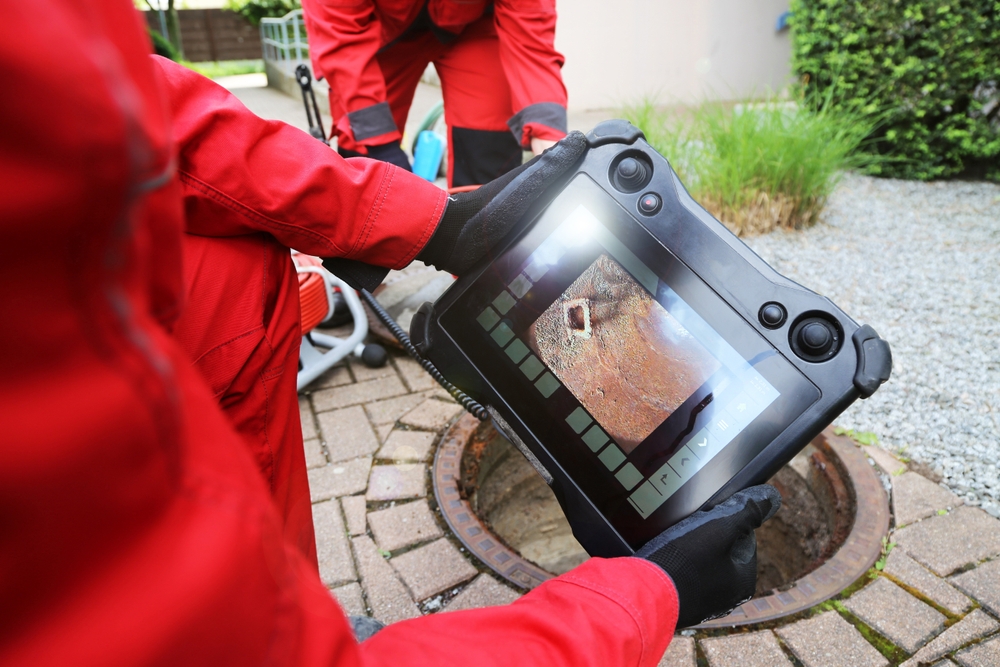
Maintaining free-flowing wastewater systems requires a mix of mindful habits and timely professional plumbing services. When standard plungers fail to clear the blockage, specialized hydro-jetting and camera inspections provide a lasting solution. Sewer Surgeons offers 24/7 emergency response paired with transparent pricing to resolve your pipe issues quickly. Schedule an inspection today to protect your plumbing system from unexpected failure.