Imagine waking up to a slow-draining shower, a gurgling toilet, or an unpleasant odor wafting from the basement. Underground plumbing issues are stressful because the trouble remains hidden out of sight, leaving homeowners guessing about the true cause of the backup. Guessing leads to unnecessary digging, ruined landscaping, and skyrocketed repair bills. Fortunately, modern technology eliminates the guesswork entirely. Sewer Surgeons provide a clear view inside underground lines, accurately pinpointing blockages or structural damage before any shovels hit the dirt. Homeowners facing persistent backups can quickly identify the root cause by scheduling a professional sewer video inspection in Millburn, NJ to locate the exact source of the trouble.
Why Are Your Drains Constantly Backing Up?
Recurrent clogs are rarely a simple matter of too much toilet paper. Over time, underground pipes face severe environmental stressors that compromise their structural integrity.
- Tree Root Intrusion: Hairline cracks in older pipes release moisture and nutrients, attracting nearby tree roots. These roots break through the pipe joints, creating a dense web that traps debris and completely blocks waste flow.
- Pipe Belly or Sagging: Shifting soil causes sections of a pipeline to sink. This creates a low spot, or a belly, where water and solid waste pool instead of flowing downward, leading to chronic blockages.
- Corrosion and Scale Buildup: Cast iron and galvanized steel pipes naturally deteriorate over decades. Internal rust and scale create rough surfaces that catch debris, narrowing the path for wastewater.
- Structural Offsets: Ground shifting can cause pipe sections to misalign at the joints, creating a literal wall that catches solid waste.
How Do Professionals See Inside Your Underground Lines?
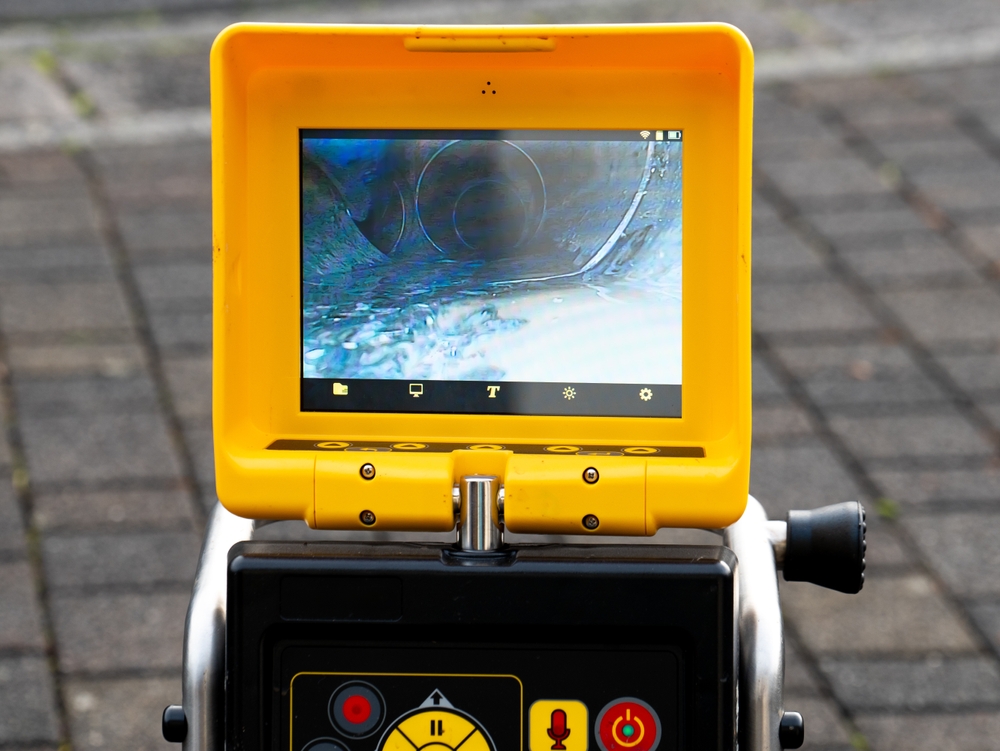
Fixing a pipe requires knowing exactly what is wrong inside it. Instead of tearing up a pristine lawn to find a clog, advanced diagnostic equipment provides a non-invasive look at the internal condition of the system. A technician inserts a flexible, high-resolution waterproof camera attached to a fiber-optic cable directly into the cleanout access point. As the cable feeds through the line, it transmits real-time high-definition footage to a monitor above ground.
This process, known as a sewer camera inspection, allows technicians to see the exact footage location and depth of every crack, root intrusion, or accumulation of grease. Homeowners can view the monitor themselves, seeing the physical evidence of the pipe condition without any guesswork.
What Are the Main Benefits of High-Definition Pipe Inspections?
Investing in modern diagnostics saves time, money, and property damage. Visual evidence changes the entire approach to property maintenance.
- Targeted, Cost-Effective Repairs: Knowing the precise location of a break means spot repairs can be performed, avoiding the cost of replacing an entire line.
- Pre-Purchase Property Protection: Homebuyers often schedule sewer camera services before closing on a house to avoid inheriting thousands of dollars in hidden mainline failures.
- Accurate Preventative Maintenance: Spotting minor cracks or early root growth early allows for simple hydro-jetting or localized relining, preventing total pipe collapses.
Frequently Asked Questions
Can a camera clear a blockage inside a sewer line?
No, a camera is strictly a diagnostic tool. Its purpose is to locate and identify the cause of the issue, such as tree roots, collapsed sections, or heavy grease buildup. Once a technician completes the sewer line camera inspection to verify the nature of the blockage, they utilize separate specialized equipment, like hydro-jetters or mechanical augers, to safely clear the pipe.
How often should residential sewer lines be inspected?
Homeowners should ideally schedule an inspection every two to three years as preventative maintenance. Properties with mature trees near the sewer line or homes built over forty years ago benefit from annual checks to catch root intrusion and structural sagging before a major backup occurs.
Will a pipe inspection damage old or fragile lines?
The flexible fiber-optic cables used during the process are designed to glide smoothly through pipelines without causing harm. The camera head is rounded and encased in protective housing, making it completely safe for aged clay, cast iron, or orangeburg pipes.
Postponing plumbing diagnostics invites severe property damage and unexpected emergency expenses. Relying on advanced camera technology ensures highly accurate diagnostics, preventing unnecessary digging across lawns and driveways. Choosing precise camera locating protects the landscaping while identifying the most cost-effective solution for long-term pipe health. Contact Sewer Surgeons today to schedule an inspection and receive a detailed, accurate assessment of your property plumbing system.