Neighborhood-Wide Sewer Line Concerns: Why Your Neighbors’ Problems Might Be Yours Too

sewer line repair

A backed-up drain two houses down might look like someone else’s headache. In plenty of neighborhoods, sewer pipes connect in ways homeowners rarely think about until a clog, a collapse, or a root intrusion three doors away shows up in their own basement. Sewer Surgeons hear this story often: a homeowner calls confused about water backing up with no obvious cause, then learns the real trouble started on a shared line down the street. If you live in an older development, a rural cul-de-sac, or a community built decades ago, understanding these connections can spare you an expensive surprise. For anyone searching for sewer line repair in Chatham, NJ, this shared-line reality is often the missing piece of the puzzle.

Why Would My Neighbor’s Sewer Problem Become My Problem?

Many older neighborhoods were built with pipe layouts that connect multiple properties before reaching the municipal main. Tree roots don’t stop at property lines either, so a root mass that started under a neighbor’s yard can travel and choke a pipe two or three homes away. A blockage anywhere along that shared path can send wastewater backward, and the house with the lowest elevation on the line usually feels it first. Sewer system repair on one property can genuinely depend on what’s happening upstream.

How Are Sewer Lines Connected Between Homes?

Every home has a private lateral that runs from the house to the municipal main under the street. In older or rural neighborhoods, that layout gets more complicated:

  • Shared laterals that serve two or more homes before joining the main line
  • Aging clay, cast iron, or Orangeburg pipe that cracks and shifts with soil movement
  • Mature tree root systems that spread across multiple yards
  • Uneven grading or settling that affects an entire street’s drainage

A cracked joint on one property can cause backups on another, even if the second home’s own plumbing is in good shape. Homes with pipes from the same construction era also tend to fail around the same time, since the same materials degrade at similar rates.

What Are the Warning Signs of a Neighborhood-Wide Sewer Issue?

Certain patterns point to a shared problem rather than something isolated to your own plumbing:

  • Multiple homes on the same street reporting backups within days of each other
  • Gurgling drains or slow-draining fixtures with no recent change in your own water use
  • Sewage odor outside near the yard or curb, not just indoors
  • A sudden backup right after a neighbor has plumbing work done

A sewer line inspection with a camera can confirm whether the blockage or damage sits on your private lateral or further down a shared section. Catching this early often turns a messy emergency into a scheduled fix.

Who Is Responsible for Repairs When Multiple Homes Are Involved?

Responsibility usually splits at the property line: everything from your house to that line is yours, and the municipality typically owns the main under the street. Shared laterals complicate this. Some municipalities and HOAs have written agreements spelling out how repair costs get divided among connected homeowners, while others leave it to the affected residents to work it out. A licensed team among local sewer repair contractors can pull permit records and pipe maps to clarify exactly where your responsibility starts and ends, which matters when a dispute over cost comes up.

What Should You Do If You Suspect a Shared Line Problem?

Start with a conversation with your neighbors. If more than one home is affected, a joint inspection saves everyone time and money compared to separate service calls. From there:

  • Ask for a camera inspection to pinpoint the exact location of the damage
  • Request documentation showing whether the issue sits on your lateral or a shared segment
  • Ask about trenchless sewer repair, which can fix cracked or collapsed pipe without tearing up the entire yard or driveway
  • Get a written estimate that separates sewer pipe repair costs from any shared-line work

Acting on the first sign of trouble, rather than waiting for a full backup, tends to keep the job smaller and less disruptive.

FAQ

Can I be held responsible for damage caused by a neighbor’s sewer line? 

Generally, you’re only responsible for the portion of the pipe on your own property. If damage from a neighbor’s section spreads onto your land, liability often depends on local ordinances and any recorded easement agreements, so a records check is worth doing before assuming fault either way.

Does homeowners insurance cover sewage backups from a shared line? 

Standard homeowners policies frequently exclude sewer backups unless you’ve added a specific endorsement or rider. Coverage details vary by insurer and policy, so checking with your provider before an incident happens is the safer route.

How do I find out if my home shares a sewer line with my neighbors? 

Municipal records, plat maps, or a call to your local public works department can confirm your lateral layout. A camera scope of your line will also reveal the connection points if paperwork is unclear or outdated.

Sewer trouble that seems to come out of nowhere is often the tail end of something building for years, sometimes on a property that isn’t even yours. Getting ahead of it starts with a clear picture of how your line connects to the rest of the street, followed by the right fix, whether that’s a targeted repair or a full sewer line replacement. Sewer Surgeons offers emergency services for the moments that can’t wait, backs every job with fully insured technicians, and stands behind the full range of sewer line services with 100% guaranteed satisfaction.

If something feels off with your drains, or a neighbor just mentioned a backup of their own, reach out now before it turns into an emergency sewer line repair.

Stop Playing Hide and Seek with Your Pipes!

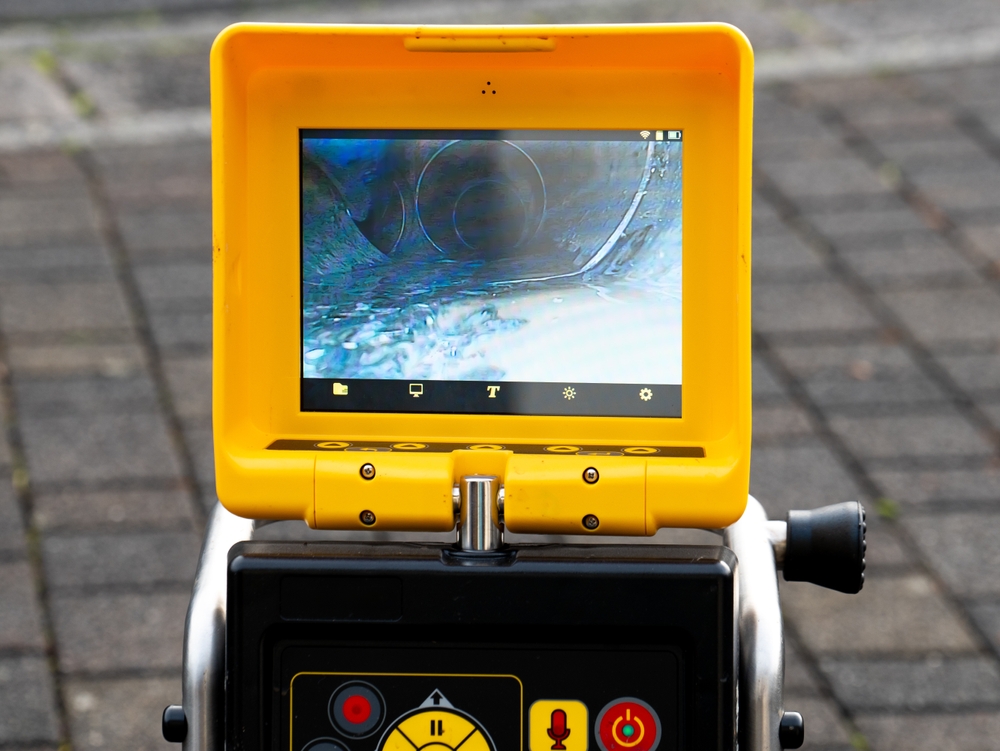
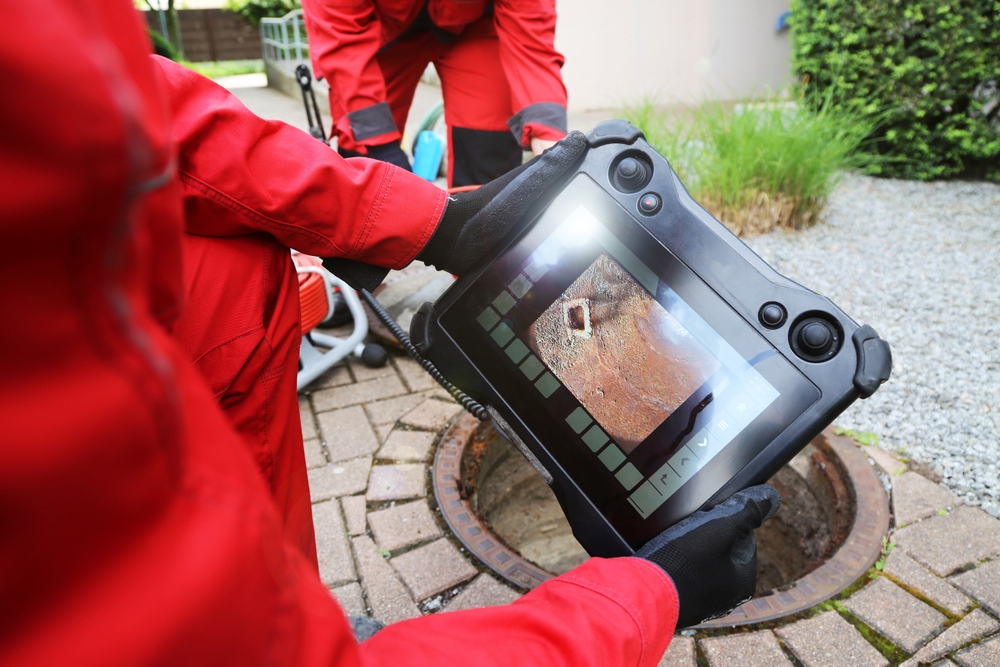
A professional plumber monitoring a high-definition video screen displaying the inside of a clean underground pipe

Imagine waking up to a slow-draining shower, a gurgling toilet, or an unpleasant odor wafting from the basement. Underground plumbing issues are stressful because the trouble remains hidden out of sight, leaving homeowners guessing about the true cause of the backup. Guessing leads to unnecessary digging, ruined landscaping, and skyrocketed repair bills. Fortunately, modern technology eliminates the guesswork entirely. Sewer Surgeons provide a clear view inside underground lines, accurately pinpointing blockages or structural damage before any shovels hit the dirt. Homeowners facing persistent backups can quickly identify the root cause by scheduling a professional sewer video inspection in Millburn, NJ to locate the exact source of the trouble.

Why Are Your Drains Constantly Backing Up?

Recurrent clogs are rarely a simple matter of too much toilet paper. Over time, underground pipes face severe environmental stressors that compromise their structural integrity.

  • Tree Root Intrusion: Hairline cracks in older pipes release moisture and nutrients, attracting nearby tree roots. These roots break through the pipe joints, creating a dense web that traps debris and completely blocks waste flow.
  • Pipe Belly or Sagging: Shifting soil causes sections of a pipeline to sink. This creates a low spot, or a belly, where water and solid waste pool instead of flowing downward, leading to chronic blockages.
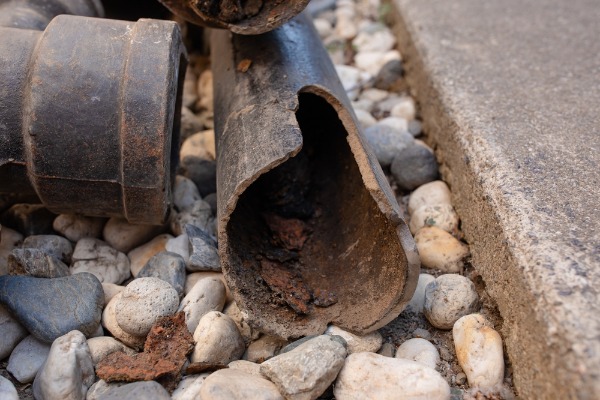
  • Corrosion and Scale Buildup: Cast iron and galvanized steel pipes naturally deteriorate over decades. Internal rust and scale create rough surfaces that catch debris, narrowing the path for wastewater.
  • Structural Offsets: Ground shifting can cause pipe sections to misalign at the joints, creating a literal wall that catches solid waste.

How Do Professionals See Inside Your Underground Lines?

Fixing a pipe requires knowing exactly what is wrong inside it. Instead of tearing up a pristine lawn to find a clog, advanced diagnostic equipment provides a non-invasive look at the internal condition of the system. A technician inserts a flexible, high-resolution waterproof camera attached to a fiber-optic cable directly into the cleanout access point. As the cable feeds through the line, it transmits real-time high-definition footage to a monitor above ground.

This process, known as a sewer camera inspection, allows technicians to see the exact footage location and depth of every crack, root intrusion, or accumulation of grease. Homeowners can view the monitor themselves, seeing the physical evidence of the pipe condition without any guesswork.

What Are the Main Benefits of High-Definition Pipe Inspections?

Investing in modern diagnostics saves time, money, and property damage. Visual evidence changes the entire approach to property maintenance.

  • Targeted, Cost-Effective Repairs: Knowing the precise location of a break means spot repairs can be performed, avoiding the cost of replacing an entire line.
  • Pre-Purchase Property Protection: Homebuyers often schedule sewer camera services before closing on a house to avoid inheriting thousands of dollars in hidden mainline failures.
  • Accurate Preventative Maintenance: Spotting minor cracks or early root growth early allows for simple hydro-jetting or localized relining, preventing total pipe collapses.

Frequently Asked Questions

Can a camera clear a blockage inside a sewer line?

No, a camera is strictly a diagnostic tool. Its purpose is to locate and identify the cause of the issue, such as tree roots, collapsed sections, or heavy grease buildup. Once a technician completes the sewer line camera inspection to verify the nature of the blockage, they utilize separate specialized equipment, like hydro-jetters or mechanical augers, to safely clear the pipe.

How often should residential sewer lines be inspected?

Homeowners should ideally schedule an inspection every two to three years as preventative maintenance. Properties with mature trees near the sewer line or homes built over forty years ago benefit from annual checks to catch root intrusion and structural sagging before a major backup occurs.

Will a pipe inspection damage old or fragile lines?

The flexible fiber-optic cables used during the process are designed to glide smoothly through pipelines without causing harm. The camera head is rounded and encased in protective housing, making it completely safe for aged clay, cast iron, or orangeburg pipes.

Postponing plumbing diagnostics invites severe property damage and unexpected emergency expenses. Relying on advanced camera technology ensures highly accurate diagnostics, preventing unnecessary digging across lawns and driveways. Choosing precise camera locating protects the landscaping while identifying the most cost-effective solution for long-term pipe health. Contact Sewer Surgeons today to schedule an inspection and receive a detailed, accurate assessment of your property plumbing system.

Sewer Pipe Micro Cleaning: How It Differs From Regular Drain Cleaning

sewer pipe lines

Not all pipe cleaning methods are designed for the same level of buildup or the same part of the plumbing system. Many homeowners assume drain cleaning and sewer cleaning are interchangeable, but they actually target different conditions inside the system. Sewer pipe micro cleaning is a more precise method focused on removing thin layers of buildup, sludge, and early-stage obstructions inside the main sewer line.

For property owners in need of sewer pipe micro cleaning in South Orange, NJ, understanding how this process differs from standard service helps explain why some recurring issues require a more detailed approach than basic clearing.

What Regular Drain Cleaning Is Designed To Do

Standard drain cleaning typically focuses on removing immediate blockages inside individual fixture lines such as sinks, tubs, or showers. These blockages are often caused by hair, soap residue, food particles, or grease that accumulates near the point of use. The goal is to restore flow by clearing the obstruction so water can move through the pipe again. In many cases, this type of service addresses surface-level buildup without evaluating the deeper condition of the system. While effective for isolated issues, it does not always address buildup further down the line where recurring problems often originate.

What Makes Sewer Pipe Micro Cleaning Different

Sewer pipe micro cleaning targets a much larger and more complex section of the plumbing system. Instead of focusing on a single blockage, it addresses the thin layers of buildup that form along the interior walls of the main sewer line. These layers often include grease films, sediment, and organic material that gradually reduce pipe diameter over time.

What micro cleaning is designed to remove:

  • Thin grease and sludge layers
  • Early-stage mineral buildup
  • Light organic accumulation
  • Residue left after previous cleanings

This type of cleaning is often part of broader micro sewer cleaning strategies used to maintain flow before more serious blockages form.

Why Sewer Lines Need a Different Approach

Sewer lines carry all wastewater from a property, meaning they accumulate a wider range of materials than individual drains. Over time, this combination of grease, soap residue, and organic waste creates layered buildup that behaves differently from a simple clog. According to the U.S. Environmental Protection Agency, grease accumulation is one of the most common contributors to sewer line restrictions in residential systems. Because of this, sewer line cleaning often requires more than just removing a single obstruction. It involves addressing buildup along extended sections of pipe where flow restriction develops gradually rather than suddenly.

The Role of Precision Cleaning in Long-Term Maintenance

Micro cleaning is often used as part of routine sewer line maintenance to prevent buildup from reaching a level where full blockage occurs. By removing early-stage deposits, the pipe retains more of its original diameter and flow capacity. This helps reduce strain on the system and limits the conditions that lead to recurring backups. In systems that receive regular service, this approach can also reduce the frequency of emergency interventions by addressing buildup before it becomes compacted or hardened.

How Sewer Pipe Cleaning Evolves With Severity

As buildup progresses, cleaning methods often need to become more intensive. Light residue may respond well to micro cleaning, while heavier obstructions may require more aggressive sewer pipe cleaning techniques. In more advanced cases, debris may extend deeper into the system and require full-scale sewer cleaning to restore proper function. The key difference is not just the tool used but also the condition of the pipe itself and how far the buildup has progressed.

When Micro Cleaning Is the Right Fit

Micro cleaning is typically most effective when:

  • Drains are slowing but not fully blocked
  • Buildup is suspected in the main sewer line
  • Previous cleanings have provided only temporary relief
  • Early signs of restriction are present in multiple fixtures

It is often used as a preventative approach rather than a reactive one, focusing on maintaining system performance before more serious issues develop.

Frequently Asked Questions

Is micro cleaning the same as drain snaking?

No. Snaking clears a blockage, while micro cleaning removes thin layers of buildup along pipe walls.

How often should sewer lines be micro cleaned?

Frequency depends on usage, pipe condition, and buildup levels, but it is often used as part of routine maintenance.

Does micro cleaning remove full blockages?

Not typically. It is designed for early-stage buildup rather than severe obstructions.

Can micro cleaning prevent sewer backups?

Sewer cleaning services can reduce buildup that contributes to backups, but they do not repair structural pipe issues.

A More Precise Approach to Sewer Care

Sewer systems require different levels of care depending on how buildup develops over time. Sewer Surgeons provides advanced cleaning and diagnostic solutions backed by emergency services, fully insured technicians, and 100% guaranteed satisfaction. If your system is showing early signs of restriction, targeted cleaning can help maintain performance and reduce the likelihood of recurring issues. Contact us today to schedule an appointment!

Sewer Line Concerns: Why Your Neighbors’ Problems Might Be Yours Too

sewer lines

Sewer issues rarely stay isolated to a single property for long. In many neighborhoods, especially those with aging infrastructure or shared soil conditions, one home experiencing backups or pipe damage can be an early warning sign for surrounding homes. This is because sewer systems often run through the same soil corridors, tree root networks, and utility pathways.

For homeowners considering sewer line repair in Millburn, NJ, understanding how neighborhood-wide conditions affect individual properties can help explain why problems sometimes appear “out of nowhere” even when nothing has changed inside the home.

Shared Infrastructure Means Shared Risk

Even though each home has its own lateral sewer connection, those lines eventually tie into a shared municipal system. When the main lines in a neighborhood begin to age, corrode, or shift due to soil movement, multiple properties can feel the effects at the same time. According to the U.S. Environmental Protection Agency, aging sewer infrastructure is one of the most common contributors to service disruptions in residential areas across the country.

If a main line becomes partially blocked or structurally compromised, pressure changes and flow restrictions can ripple outward into connected lateral lines. This is why multiple homes on the same street may report similar issues within a short timeframe, often leading to broader sewer system repair discussions at both the municipal and residential levels.

Tree Roots Do Not Respect Property Lines

One of the most common shared causes of sewer problems is tree root intrusion. Roots naturally seek out moisture and can extend far beyond the tree’s visible canopy, crossing property boundaries underground. If one property has a compromised pipe joint or small crack, roots can enter and expand, eventually spreading along the shared underground environment.

Common signs of root-related sewer issues:

  • Repeated backups across multiple nearby homes
  • Slow drainage in different properties on the same block
  • Gurgling sounds from drains during heavy water use
  • Recurring blockages in similar pipe sections

When this happens, individual fixes like localized sewer pipe repair may provide temporary relief, but without addressing the broader root network or damaged sections, problems can continue to reappear.

Soil Conditions Affect Entire Streets at Once

Soil movement is another factor that impacts multiple homes simultaneously. Expansive clay soils, erosion, and seasonal moisture changes can shift underground pipes over time. When the soil bed supporting a sewer line becomes unstable, pipes can sag, separate at joints, or develop cracks.

These conditions often require a detailed sewer line inspection to determine whether the issue is localized or part of a wider pattern affecting multiple properties in the area. In some cases, what appears to be an isolated blockage is actually part of a larger structural shift beneath the neighborhood.

When One Problem Becomes an Emergency Situation

If multiple homes begin experiencing backups or sewer odors at the same time, it may indicate a more urgent system failure developing in the main line. In these situations, rapid response is critical to prevent further damage or overflow conditions. This is where emergency sewer line repair becomes necessary to stabilize the system and restore proper flow.

The challenge is that early signs often appear minor before escalating. Slow drains, occasional gurgling, or intermittent backups may not seem connected at first, but patterns across multiple properties can point to a shared underlying issue.

Why Trenchless Solutions Are Often Considered

When neighborhood-wide sewer problems occur, excavation across multiple properties is not always practical or necessary. Trenchless methods allow technicians to access and repair damaged sections without widespread digging. Modern trenchless sewer repair techniques can restore structural integrity while minimizing disruption to landscaping, driveways, and shared spaces.

This approach is often used when damage is localized within specific pipe segments but influenced by broader environmental conditions.

When Localized Repair Still Matters

Even when neighborhood factors are involved, each property still requires its own evaluation. Individual sewer line services help determine whether the issue originates in a home’s lateral connection or stems from a shared municipal problem. Addressing only the neighborhood-level issue without fixing the private connection can still leave homeowners vulnerable to recurring disruptions.

Frequently Asked Questions

Can my sewer line be affected if my neighbor has problems?

Yes. Shared soil conditions, tree roots, and aging infrastructure can affect multiple homes in the same area.

How do I know if it’s my line or the city’s sewer main?

A sewer line inspection is typically needed to determine whether the issue is on private property or within the municipal system.

Do sewer problems usually spread between homes?

They do not physically spread, but shared environmental and infrastructure conditions can cause similar issues across multiple properties.

What is the fastest way to confirm a sewer issue?

Professional inspection using camera equipment is the most reliable method to identify blockages or structural damage.

When Neighborhood Clues Should Not Be Ignored

Sewer problems often follow patterns that extend beyond a single property, especially in areas with older infrastructure or shared underground conditions. Sewer Surgeons provides expert diagnostics and repair solutions backed by emergency services, fully insured technicians, and 100% guaranteed satisfaction. If your neighbors are experiencing sewer issues, it may be worth evaluating your own system before small warning signs turn into service disruptions. Get in touch with us today!

Sewer Line Myths a Camera Inspection Can Bust

sewer video feed

Sewer problems often come with a lot of assumptions. Homeowners may believe a recurring backup automatically means a collapsed pipe or that an older sewer line must be replaced simply because of its age. The reality is that many sewer decisions are made based on symptoms rather than direct evidence. Modern camera technology allows technicians to see the inside of a sewer line and identify what is actually happening beneath the property.

At Sewer Surgeons, we frequently use advanced inspection equipment to help property owners separate fact from fiction. If you’re researching sewer video inspection in Berkeley Heights, NJ, understanding the myths that camera inspections can eliminate may help you make more informed decisions.

Myth #1: Every Sewer Backup Means the Pipe Has Failed

A sewer backup can certainly indicate a serious issue, but it does not automatically mean the pipe has collapsed.

Many backups are caused by:

  • Grease accumulation
  • Root intrusion
  • Debris buildup
  • Offset joints
  • Localized blockages

A professional sewer camera inspection allows technicians to determine the actual cause before recommending a solution.

Myth #2: Older Sewer Lines Always Need Replacement

Age alone does not determine the condition of a sewer pipe. Many older lines continue functioning effectively, while some newer systems develop issues much sooner due to installation conditions, soil movement, or root intrusion. A detailed sewer line inspection provides information about the pipe’s current condition rather than relying on assumptions about age.

Myth #3: The Problem Is Always Near the Drain

Homeowners often assume a slow sink, toilet, or shower indicates a nearby blockage. In reality, restrictions may develop much farther down the system. A sewer pipe video inspection helps trace the entire path of the line and locate the source of the problem with greater accuracy.

Myth #4: Digging Is the Only Way to Find the Issue

Before camera technology became widely available, excavation was often necessary to investigate sewer concerns. Today, many sewer camera services allow technicians to evaluate underground piping without extensive digging or disruption.

Myth #5: Sewer Lines Look the Same Throughout

Conditions can vary dramatically from one section of pipe to another. A sewer line camera inspection often reveals areas with root intrusion, corrosion, offsets, or buildup that are not present throughout the entire system.

Myth #6: Any Contractor Can Accurately Diagnose a Sewer Problem

The quality of a diagnosis often depends on the equipment, experience, and interpretation of the findings. Experienced sewer inspection contractors understand how to evaluate pipe conditions and distinguish between isolated concerns and broader infrastructure problems.

Myth #7: Camera Inspections Are Only for Active Problems

Many property owners schedule inspections only after experiencing a backup. A video sewer line inspection can also be useful during property purchases, remodeling projects, or preventative maintenance planning.

Myth #8: If Water Drains, Everything Is Fine

A sewer line can continue functioning even when deterioration, root intrusion, or structural defects are present. A professional sewer pipe inspection may reveal developing conditions long before they create visible symptoms inside the home.

What a Camera Inspection Actually Shows

Modern sewer cameras provide valuable information about:

  • Pipe material
  • Root intrusion
  • Cracks and fractures
  • Corrosion
  • Blockages
  • Joint separations
  • Pipe offsets
  • General pipe condition

This visual information helps support more informed recommendations and repair decisions.

Frequently Asked Questions

How does a sewer camera inspection work?

A specialized waterproof camera is inserted into the sewer line to capture real-time video of the pipe’s interior.

Can a camera inspection locate tree roots?

Yes. Camera equipment can often identify root intrusion and determine the extent of the problem.

Does a sewer camera inspection require digging?

In many cases, no. The camera is typically inserted through an existing access point or cleanout.

How long does a sewer inspection take?

The timeframe depends on the length and condition of the sewer line, but many inspections can be completed within a few hours.

Accurate information is one of the most valuable tools in sewer diagnostics. Sewer Surgeons is a third-generation family-owned company with more than three decades of experience serving residential and commercial customers. We specialize in trenchless sewer and water pipe repair and relining solutions while also providing excavation services when needed. Available 24/7, our team helps property owners understand what is happening inside their sewer systems before major repair decisions are made. Contact us today to schedule an appointment!

When Sewer Laterals Are the City’s Responsibility (and When They’re Yours)

sewer lateral

Many homeowners are surprised to learn that not every sewer pipe connected to their property belongs to the city. When a sewer problem occurs, one of the first questions is often who is responsible for fixing it. The answer depends on where the damage is located. In most communities, the property owner is responsible for the sewer lateral that connects the home to the municipal sewer main, while the city typically maintains the public sewer system beyond that connection point. Understanding the difference can help homeowners avoid confusion when drainage problems arise.

At Sewer Surgeons, we frequently help property owners identify where issues are occurring and who may be responsible for addressing them. If you’re researching sewer line repair in Millburn, NJ, it is important to understand how sewer lateral ownership works.

What Is a Sewer Lateral?

A sewer lateral is the pipe that carries wastewater from your home to the municipal sewer main beneath the street. While ownership rules can vary by municipality, homeowners are often responsible for maintaining the portion of the lateral located on private property and, in some cases, portions extending toward the street connection.

Where City Responsibility Typically Begins

The public sewer main generally falls under municipal ownership and maintenance. If a blockage, collapse, or defect occurs within the city-owned main, the municipality is usually responsible for investigating and addressing the issue.

Problems Often Start on the Private Side

Many common sewer issues originate within privately owned lateral lines.

Examples include:

  • Root intrusion
  • Pipe corrosion
  • Cracked pipe sections
  • Settling soil
  • Grease accumulation
  • Offset pipe joints

These conditions often require professional evaluation and repair.

The First Step Is Finding the Exact Location

Before responsibility can be determined, the affected area must be identified. A professional sewer line inspection can help locate the problem and determine whether it exists within the homeowner’s lateral or the municipal sewer system.

Damage Does Not Always Mean Full Replacement

Not every sewer issue requires an entirely new pipe. In some situations, targeted sewer pipe repair can address isolated defects while preserving the remaining sections of the line.

When More Extensive Work Is Needed

Certain sewer lines experience widespread deterioration, recurring root intrusion, or structural failure. Under those circumstances, sewer line replacement may be recommended based on the overall condition of the pipe.

Modern Solutions Can Reduce Excavation

Homeowners are often concerned about damage to driveways, landscaping, patios, and walkways during sewer work. Depending on the pipe condition, trenchless sewer repair may provide a way to restore functionality while minimizing surface disruption.

Sewer Problems Don’t Always Wait for Business Hours

Some sewer issues create immediate health, sanitation, or property concerns. In these situations, emergency sewer line repair may be necessary to address backups, overflows, or sudden pipe failures as quickly as possible.

Comprehensive Support Often Involves Multiple Solutions

Every sewer system presents unique challenges depending on age, materials, location, and condition. Professional sewer line services may include inspections, cleaning, repairs, rehabilitation, and replacement recommendations based on the findings.

Choosing the Right Team Matters

Determining ownership responsibilities can be complicated, particularly when property lines, easements, or connection points are involved. Experienced sewer repair contractors can help homeowners understand the source of the issue and identify appropriate next steps.

Looking at the Entire System

A sewer lateral does not operate independently from the rest of the drainage network. In some cases, broader sewer system repair recommendations may be necessary when multiple components contribute to recurring drainage problems.

Frequently Asked Questions

How do I know if the city or homeowner is responsible?

Responsibility often depends on where the damage is located. A professional inspection can help identify the affected section.

What is a sewer lateral?

A sewer lateral is the pipe that connects a home or building to the municipal sewer main.

Can tree roots affect a sewer lateral?

Yes. Root intrusion is one of the most common causes of sewer line damage and blockages.

Does the city pay for sewer line repairs on private property?

In most cases, homeowners are responsible for repairs involving privately owned sewer lateral lines.

Understanding Sewer Responsibilities Helps Prevent Delays

Understanding who owns which portion of the sewer system can save time when problems arise. Sewer Surgeons is a third-generation family-owned company with more than three decades of experience serving residential and commercial customers. We specialize in trenchless sewer and water pipe repair and relining solutions while also providing excavation services when needed. Available 24/7, our team helps property owners better understand their sewer infrastructure and available repair options.

How to Protect New Sewer Lines After Replacement

exposed sewer pipe lines

Installing a new sewer line is only the first step toward a healthy plumbing system. Sewer Surgeons specializes in sewer line repair in Millburn, NJ, helping homeowners protect their investment from threats like tree roots, shifting soil, and heavy loads. With the right precautions, your new lines can perform reliably for years.

Watch What Goes Down the Drain

New sewer lines are built to handle everyday household use, and keeping them clear of wipes, grease, or large amounts of hair helps maintain that performance. Regular attention and proper care support smooth flow and reduce the likelihood of requiring sewer pipe repair, keeping your system running efficiently for years.

Keep Roots Away

Tree roots are one of the most common causes of sewer line damage. Even minor intrusion can compromise a new pipe. Consider landscaping strategies that keep trees and shrubs at least 10–15 feet from sewer lines. Regular sewer line inspection procedures help spot root intrusion early before it causes significant damage.

Monitor Water Flow and Pressure

Changes in water flow, slow drains, or gurgling sounds can indicate a problem with your sewer line. Catching these early allows for trenchless sewer repair or minor adjustments before more invasive repair becomes necessary. Being proactive reduces the risk of emergency situations.

Limit Heavy Loads on Your Property

Sewer lines can be affected by excessive weight above ground. Avoid parking heavy vehicles over areas where your line runs, and be cautious during landscaping or construction projects. Sewer system repair experts warn that even new pipes can shift or crack under repeated pressure.

Routine Maintenance Checks

Scheduling periodic maintenance with trusted contractors helps maintain the health of your new sewer lines. Professionals can clear minor blockages, perform inspections, and ensure that your system remains in top condition. Early intervention is always easier than emergency sewer line repair.

FAQs

How often should I have my sewer lines inspected?

Most homeowners benefit from a professional inspection every 1–2 years, especially after a sewer line replacement.

Can tree roots damage a new sewer line?

Yes. Roots can penetrate joints or cracks, so keeping trees away and monitoring your line is essential.

What signs indicate a problem with my sewer line?

Slow drains, foul odors, gurgling sounds, or wet patches in the yard are common indicators.

Is trenchless sewer repair an option for new lines?

Yes. Even new lines can sometimes require trenchless repair to fix minor issues without digging up your property.

Protect Your Investment

New sewer lines are a significant upgrade for your home, and taking steps to protect them makes a real difference. Sewer Surgeons is the leading name among local sewer repair contractors. Our team provides reliable sewer line repair in Millburn, NJ, and ongoing services to keep your system functioning properly. We are ready to help with inspections, maintenance, or emergency sewer line repair so that your plumbing is covered from day one!

What Makes a Sewer Lateral Different from a Main Sewer Line

damaged sewer lines

Understanding your property’s plumbing can be confusing, especially when problems arise. A common question we hear is how a sewer lateral differs from a main sewer line. Knowing the distinction matters because each part of the system has unique responsibilities, risks, and repair approaches. When the Sewer Surgeons team handles sewer line repair in Millburn, NJ, we see firsthand how awareness of these differences can save homeowners time, stress, and unnecessary disruption.

Defining the Sewer Lateral

A sewer lateral is the pipe that runs from your home to the municipal main line. It is typically the homeowner’s responsibility to maintain. Damage can occur from tree roots, ground movement, or corrosion. Because it directly connects your property to the city system, a failing lateral can cause backups inside your home, making sewer line replacement or repair urgent.

Understanding the Main Sewer Line

The main sewer line carries wastewater from multiple properties to the treatment facility. It is maintained by the municipality, and repairs are handled on a larger scale. Problems here can impact multiple homes, but homeowners usually do not bear direct responsibility. When we evaluate issues, the main line’s condition affects how we approach sewer pipe repair on the lateral to prevent recurring problems.

Signs You Need Lateral Attention

Slow drains, foul odors, or water pooling near the foundation often point to lateral issues. These problems differ from main line failures, which typically show up as widespread neighborhood backups. When rapid response is required, we provide emergency sewer line repair services to minimize damage. Timely intervention can prevent a small clog from turning into a major disruption.

Modern Repair Methods

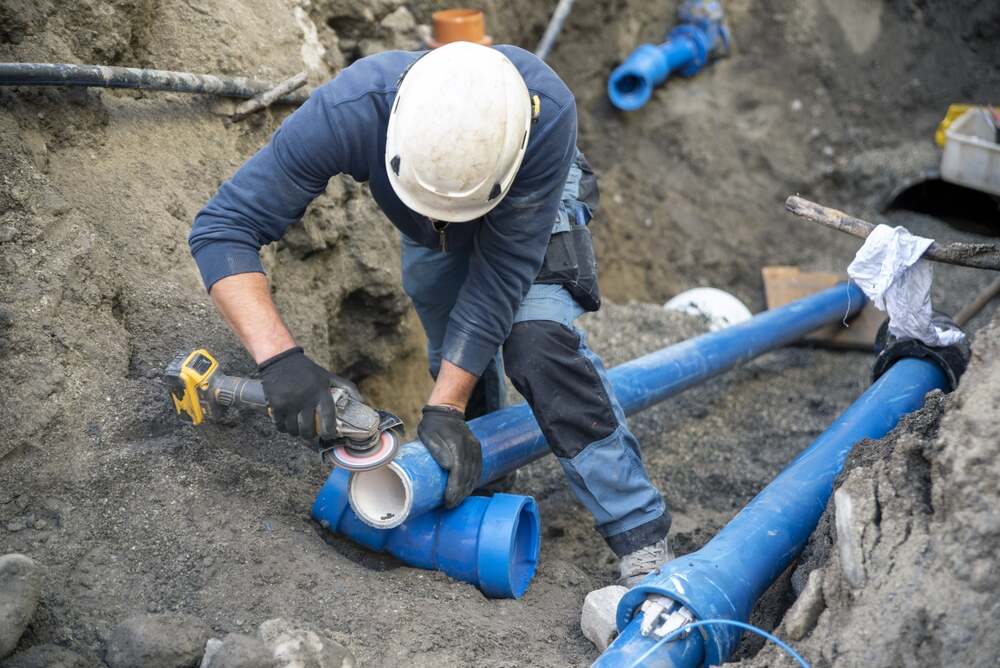
Trenchless solutions have transformed sewer repairs. Techniques like pipe lining or pipe bursting allow us to address lateral damage without tearing up your yard. Using trenchless sewer repair methods saves time, reduces mess, and keeps properties intact while restoring function. These options also complement routine inspection, which helps identify weak spots before they fail.

Coordinated Services Matter

A damaged lateral often requires coordinated work with other components of the sewer system. Our sewer line services at Sewer Surgeons include inspection, repair, and replacement, handled by experienced sewer contractors who understand both the homeowner’s and municipality’s responsibilities. This integrated approach ensures repairs are thorough and long-lasting, supporting broader system repair goals.

When to Call Professionals

Homeowners should consider professional help when drains are slow, water pools, or odors persist. Accurate diagnosis ensures the right method is applied, whether it is a small patch repair, full lateral replacement, or preventive maintenance. Our sewer system repair team is trained to handle these challenges efficiently while keeping your property safe and functional.

Frequently Asked Questions

Who is responsible for a sewer lateral?

Homeowners are usually responsible for the lateral, while the municipality maintains the main line.

Can a sewer lateral backup affect my whole house?

Yes, lateral failures can lead to clogs or sewage entering your basement or yard.

Is trenchless repair suitable for all lateral problems?

Many lateral issues can be addressed with trenchless methods, depending on pipe condition and location.

How often should a sewer line inspection be performed?

Experts recommend undergoing a sewer line inspection every 2 to 3 years or after heavy storms or signs of damage.

Dealing with sewer problems requires knowledge, experience, and precise execution. Sewer Surgeons provides emergency services, fully insured technicians, and 100 percent guaranteed satisfaction on every job. From inspection to repair and replacement, we manage the process so you can regain reliable sewer function without unnecessary stress. Schedule a service by calling us today!

Where Soil Movement Fits in Repeated Sewer Line Problems

damaged sewer line

When sewer issues keep coming back, many property owners assume the pipe itself is the only problem. What we often find is that the ground around the pipe plays a big role. Soil expands, contracts, and shifts over time, placing steady pressure on underground lines. We see and address this pattern regularly at Sewer Surgeons, especially in older neighborhoods. For homeowners dealing with recurring backups or slow drains, understanding soil movement matters before proceeding with a sewer line repair in Millburn, NJ.

What Happens Beneath the Surface

Soil is not static. Clay-heavy soil common in New Jersey swells when wet and shrinks when dry. The U.S. Geological Survey notes that expansive soils cause billions of dollars in structural damage across the country each year. A proper sewer line inspection helps identify misaligned pipes, cracks, or separations caused by this constant ground movement before problems worsen.

Stress on Aging Pipes

As soil shifts, pressure builds at pipe joints and weak points. Older clay or cast iron lines are especially vulnerable. Small fractures may start unnoticed, then widen as the ground continues to move. Sewer pipe repair procedures are often the best option when repeated soil pressure allows roots or debris to enter through these openings, creating frequent blockages.

Water, Soil, and Repeated Failures

Rainfall and groundwater changes affect soil density. According to the Environmental Protection Agency, excess groundwater infiltration is a leading contributor to sewer system strain nationwide. Sewer system repair is often tied to correcting these conditions, since unstable soil can cause pipes to sag or separate, leading to recurring flow problems inside the home.

When Problems Turn Urgent

Repeated sewer backups, foul odors, or wastewater in lower drains signal that soil movement may have shifted the line significantly. At this stage, an emergency sewer line repair may be required to address sudden collapses or severe misalignment. Acting quickly helps reduce health risks and prevents further damage to surrounding structures.

Modern Repair Options

Not every soil-related issue requires extensive digging. Trenchless sewer repair procedures allow damaged sections to be reinforced or replaced with minimal surface disruption. This method works well when soil movement has caused cracks but the overall pipe path remains accessible, making it a practical option for many properties.

The Role of Qualified Professionals

Diagnosing soil-related sewer problems requires experience and specialized equipment. Licensed sewer repair contractors assess both pipe condition and surrounding soil behavior to determine the right solution. This approach avoids guesswork and focuses on long-term stability rather than temporary fixes.

Ongoing Care Matters

Regularly scheduled sewer line services can help monitor early warning signs linked to soil shifts. Periodic inspections and maintenance allow homeowners to address developing issues before they become disruptive, especially after heavy rain or long dry spells.

FAQs

Can soil movement really cause repeated sewer backups?

Yes, shifting soil can misalign pipes or create cracks that lead to ongoing blockages.

How do I know if my sewer problem is underground?

Frequent backups, slow drains throughout the house, and sewage odors often point to an underground issue.

Is trenchless repair reliable for soil-related damage?

It can be effective when the pipe path remains stable and damage is limited to cracks or weak sections.

How often should sewer lines be inspected?

Many professionals recommend inspections every few years, or sooner if recurring problems appear.

Repeated sewer problems often start below the surface. Soil movement adds stress that pipes were never designed to handle alone. Sewer Surgeons provides emergency services and detailed assessments backed by 100% guaranteed satisfaction. If recurring sewer issues are disrupting your home, we are ready to help you understand what’s happening and address it with care and precision. Reach out to us today to schedule an appointment!

Sewer Line Lifespan by Material: How Long Your Pipes Are Built to Last

different sewer pipe materials

Different types of pipes last for different lengths of time, and knowing the expected lifespan of each material helps homeowners and property managers plan for maintenance. Sewer Surgeons, the go-to local team for sewer line repair in Berkeley Heights, NJ, provides guidance to those who want to better understand how long their systems can function before issues potentially arise.

How Long Clay Sewer Pipes Last

Clay was commonly used in older sewer systems and can often last 50 to 60 years under normal conditions. While it is durable against chemical wear, clay is brittle and prone to cracking from soil movement or tree root intrusion. Many properties built before the 1970s still have clay pipes in the ground, making age-related failure a common reason for sewer system repair.

Cast Iron Sewer Pipe Lifespan

Cast iron pipes are known for their strength and were widely installed in mid-20th century construction. With proper installation and average soil conditions, these pipes can last between 50 and 100 years. However, they are vulnerable to internal corrosion and scaling, which can restrict water flow over time. When corrosion becomes advanced, sewer line replacement may be the only long-term solution.

How Long PVC Sewer Pipes Can Last

PVC (polyvinyl chloride) has become the most common material used for modern sewer systems. Its resistance to corrosion and root intrusion gives it an expected lifespan of 100 years or more. While durable, PVC joints must be installed correctly to avoid leaks. Frequent emergency sewer system repair is uncommon with PVC, but ground shifts and improper connections can still cause issues.

Orangeburg Pipe Durability

Orangeburg pipe, made from bituminous fiber, was used in many homes built from the 1940s through the 1970s. Unfortunately, its lifespan is significantly shorter than other materials, typically lasting 30 to 50 years. These pipes are prone to collapsing under soil pressure, making them one of the most common candidates for sewer pipe repair.

Modern Options and Maintenance

Today, many property owners choose trenchless solutions to update aging pipes. Trenchless sewer repair methods can rehabilitate existing sewer lines (that are still structurally sound) without large-scale digging, which reduces disruption to landscaping and driveways.

No matter the pipe material, scheduling a sewer line inspection can help identify early warning signs and extend the system’s overall performance.

How Long Do Sewer Pipes Really Last

FAQs

Q: How do I know what type of sewer pipe I have?

A: Pipe material often depends on when the home was built. A professional inspection can confirm whether your system is clay, cast iron, PVC, or another type.

Q: Can regular maintenance extend pipe lifespan?

A: Yes. Annual inspections and drain cleaning help detect problems early, which can slow down wear and prevent larger failures.

Q: What causes sewer pipes to fail prematurely?

A: Several factors can lead to early pipe failure, including poor installation, aggressive tree root intrusion, ground movement, corrosive soil conditions, and extreme temperature fluctuations. Physical damage from construction work can also shorten a pipe’s life.

Professional Help When It Matters Most

Whether you are dealing with aging materials or urgent pipe damage, Sewer Surgeons provides professional solutions backed by decades of experience. Our team is available 24/7 and offers both residential and commercial services. With fully insured technicians and a satisfaction guarantee, we help property owners address sewer problems with confidence. Call us today to learn more.