Different types of pipes last for different lengths of time, and knowing the expected lifespan of each material helps homeowners and property managers plan for maintenance. Sewer Surgeons, the go-to local team for sewer line repair in Berkeley Heights, NJ, provides guidance to those who want to better understand how long their systems can function before issues potentially arise.
How Long Clay Sewer Pipes Last
Clay was commonly used in older sewer systems and can often last 50 to 60 years under normal conditions. While it is durable against chemical wear, clay is brittle and prone to cracking from soil movement or tree root intrusion. Many properties built before the 1970s still have clay pipes in the ground, making age-related failure a common reason for sewer system repair.
Cast Iron Sewer Pipe Lifespan
Cast iron pipes are known for their strength and were widely installed in mid-20th century construction. With proper installation and average soil conditions, these pipes can last between 50 and 100 years. However, they are vulnerable to internal corrosion and scaling, which can restrict water flow over time. When corrosion becomes advanced, sewer line replacement may be the only long-term solution.
How Long PVC Sewer Pipes Can Last
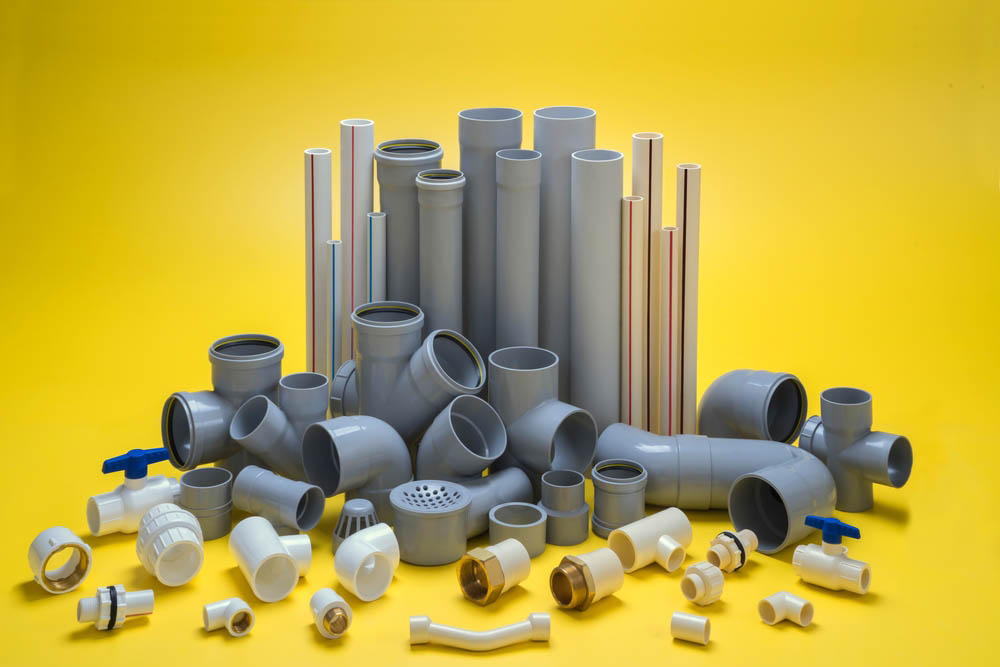
PVC (polyvinyl chloride) has become the most common material used for modern sewer systems. Its resistance to corrosion and root intrusion gives it an expected lifespan of 100 years or more. While durable, PVC joints must be installed correctly to avoid leaks. Frequent emergency sewer system repair is uncommon with PVC, but ground shifts and improper connections can still cause issues.
Orangeburg Pipe Durability
Orangeburg pipe, made from bituminous fiber, was used in many homes built from the 1940s through the 1970s. Unfortunately, its lifespan is significantly shorter than other materials, typically lasting 30 to 50 years. These pipes are prone to collapsing under soil pressure, making them one of the most common candidates for sewer pipe repair.
Modern Options and Maintenance
Today, many property owners choose trenchless solutions to update aging pipes. Trenchless sewer repair methods can rehabilitate existing sewer lines (that are still structurally sound) without large-scale digging, which reduces disruption to landscaping and driveways.
No matter the pipe material, scheduling a sewer line inspection can help identify early warning signs and extend the system’s overall performance.

FAQs
Q: How do I know what type of sewer pipe I have?
A: Pipe material often depends on when the home was built. A professional inspection can confirm whether your system is clay, cast iron, PVC, or another type.
Q: Can regular maintenance extend pipe lifespan?
A: Yes. Annual inspections and drain cleaning help detect problems early, which can slow down wear and prevent larger failures.
Q: What causes sewer pipes to fail prematurely?
A: Several factors can lead to early pipe failure, including poor installation, aggressive tree root intrusion, ground movement, corrosive soil conditions, and extreme temperature fluctuations. Physical damage from construction work can also shorten a pipe’s life.
Professional Help When It Matters Most
Whether you are dealing with aging materials or urgent pipe damage, Sewer Surgeons provides professional solutions backed by decades of experience. Our team is available 24/7 and offers both residential and commercial services. With fully insured technicians and a satisfaction guarantee, we help property owners address sewer problems with confidence. Call us today to learn more.