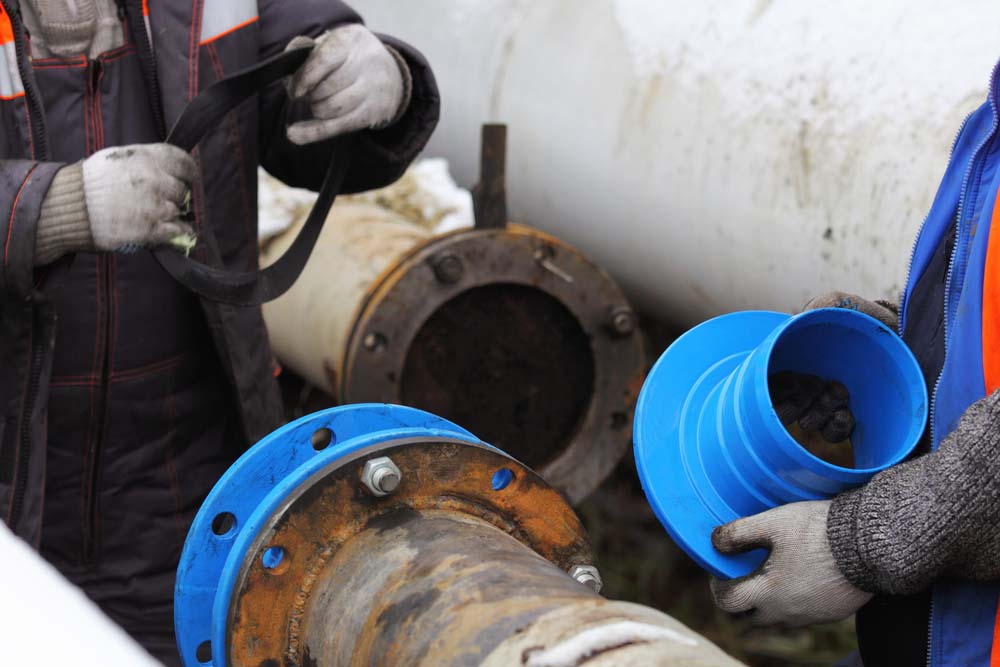
Pipe problems can often seem overwhelming, but modern repair methods make the process far more efficient than many expect. Sewer Surgeons uses cured-in-place pipe technology to handle a wide range of issues without the need for major excavation. Read on as we outline how CIPP pipe lining in Morristown, NJ works in practice, turning a damaged pipe into a reinforced system with minimal disruption.
How the Pipe Is Prepared
The trenchless pipe lining process begins with preparation. Technicians conduct a video inspection to evaluate the condition of the existing pipe. This step identifies cracks, blockages, and buildup. Once the condition is clear, the line is cleaned using methods such as hydro jetting to remove roots, grease, and other debris. A clean and open pipe is essential so the liner can adhere properly.
What Happens When the Liner is Installed
After preparation, the liner is saturated with a special resin and positioned inside the existing pipe. It is then inverted or pulled into place depending on the setup. Once inside, pressure or hot water inflates the liner against the host pipe. This creates a smooth, jointless surface that will harden into a new pipe within the old structure.
How the Resin Cures
Curing is what gives the liner strength. Heat, steam, or ultraviolet light may be used to solidify the resin. During this stage, the liner hardens and bonds tightly to the original pipe wall. The result is a durable and seamless interior surface that prevents leaks, resists corrosion, and improves flow. Many property owners choose pipe lining services for this reason, as they deliver lasting performance.
What the Final Inspection Confirms
Once cured, technicians conduct another video inspection to check if the installation was successful. They check for uniform coverage, proper curing, and smooth connections at the pipe ends. Any service laterals that were covered during the process are reopened with specialized cutting tools. This final step in trenchless sewer line repair confirms the new lining is ready for use.
Why CIPP is Considered Effective
CIPP projects avoid unnecessary excavation, which makes them faster and less disruptive than traditional methods. Because the process relies on the existing structure, it strengthens aging pipelines without the need for complete replacement. When conditions allow, expert technicians often recommend trenchless pipe repair to extend the life of underground infrastructure.
FAQs
Q: How long does a CIPP liner last?
A: Most liners are designed to last 50 years or more when installed properly, providing long-term reliability.
Q: Is CIPP suitable for all pipe materials?
A: It works well with clay, cast iron, PVC, and other common sewer pipe materials, provided the host pipe is structurally sound.
Q: What is the difference between CIPP and other trenchless methods?
A: CIPP creates a new pipe within the old one, while other methods, such as pipe bursting, replace the existing pipe entirely.
Fixing a damaged sewer pipe does not have to be a stressful ordeal that destroys your yard. Sewer Surgeons provides dependable trenchless plumbing services, and we are available 24/7 for emergencies. We are also BBB-accredited with an A+ rating. Call us today or fill out our online form to get started.