Homeowners with older plumbing systems often don’t think about pipe material until something goes wrong. Polybutylene piping was a popular choice in homes built between the 1970s and 1990s. It was cheap, lightweight, and fast to install.
Decades later, that same piping has become one of the biggest hidden risks in residential plumbing. Technicians at Sewer Surgeons see this pattern often in older homes across Chatham and Summit: pipes that hold steady for years, then fail with almost no warning at all.
If your home was built during this era, understanding how this pipe breaks down internally could save you from a flood you never saw coming. Knowing where to find reliable repiping services in Chatham, NJ ahead of time matters more than most homeowners realize.
What Is Polybutylene Piping, and Why Was It Ever Used?
Polybutylene, often called PB piping, is a gray or blue plastic pipe manufactured between 1978 and 1995. Builders used it because it cost far less than copper and went in faster than traditional materials. For a while, it seemed like a smart upgrade.
The problem showed up later. Chemicals in most public water supplies, including chlorine, react with the plastic over time. This reaction happens from the inside of the pipe, so there’s no visible sign of damage until the pipe finally gives out.
Why Do Polybutylene Pipes Fail Without Warning?
This is the part that catches most homeowners off guard. Polybutylene doesn’t corrode the way metal pipes do. Instead, it breaks down at a molecular level, growing brittle and flaking from within.
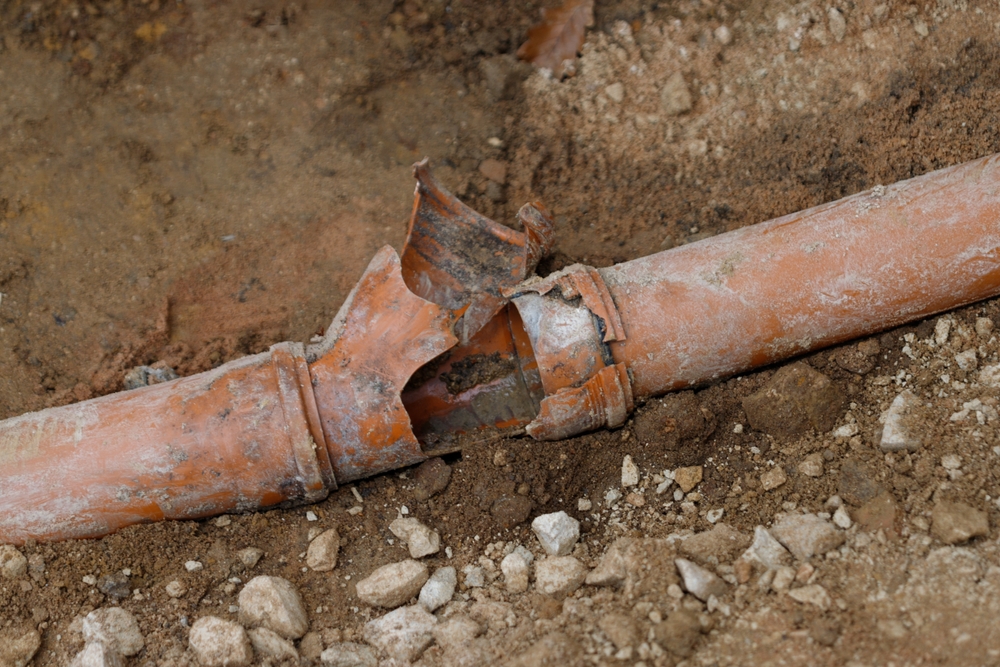
A pipe can look completely normal on the outside while it’s falling apart on the inside. Pressure changes, temperature shifts, or a minor bump can trigger a sudden split. When that happens, water can flood a wall, ceiling, or foundation in minutes.
Many insurance companies now flag homes with polybutylene pipes as higher risk, and some policies exclude damage caused by pipe failure altogether. Emergency repiping calls involving polybutylene tend to come in fast and without much notice, since the pipe rarely gives homeowners any lead time.
How Can You Tell If Your Home Has Polybutylene Pipes?
A few signs point to polybutylene piping:
- Your home was built or renovated between 1978 and 1995
- Pipes are gray, blue, or black plastic, often marked “PB2110”
- The main shutoff valve or water meter connection uses plastic tubing
- Past owners or inspection reports mention polybutylene
If you’re not sure, a licensed plumber can confirm the pipe type during a short inspection. Guessing isn’t worth the risk when a single failed pipe can cause thousands of dollars in water damage.
What Happens If You Ignore Polybutylene Piping?
Waiting rarely pays off with this type of pipe. Every year it stays in place is another year closer to failure, and there’s no reliable way to predict when that failure will happen.
Beyond the flood risk, polybutylene piping can also lower a home’s resale value. Many buyers and real estate agents now ask directly about pipe material, and some lenders require pipe replacement before approving a mortgage on older homes.
What Are Your Options If You Have Polybutylene Pipes?
Patching individual sections might buy a little time. Since the material breaks down throughout the whole system, one repaired section doesn’t protect the rest of the home.
Whole house repiping replaces the outdated plastic with copper or PEX, both of which hold up far better against chemical breakdown and pressure changes. Working with experienced repiping contractors means the job gets done with minimal disruption, proper permitting, and pipe placement suited to your home’s layout.
For homeowners searching for repiping experts, look for a repiping company with local experience, clear pricing, and a track record with older homes in your area.

Frequently Asked Questions
Is polybutylene piping illegal in NJ?
No. Existing homes can keep polybutylene piping without violating any law. It’s banned in most new construction and heavily discouraged during renovations because of its failure rate, and many local building codes now require removal during major remodels.
How long do polybutylene pipes typically last before failing?
There’s no fixed lifespan. Some pipes fail within 10 years, while others last over 20. The unpredictability is what makes this pipe risky, since age alone can’t tell you how close it is to breaking.
Can homeowners insurance deny a claim for polybutylene pipe damage?
It depends on the policy. Some insurers exclude coverage for damage tied to polybutylene piping, especially if the homeowner knew about it beforehand and didn’t address it. Reading your policy’s fine print is worth the time.
Polybutylene piping might hold up fine for years, or it might fail during next week’s cold snap. That uncertainty is exactly why so many Chatham and Summit homeowners choose to address it before a leak forces their hand.
Sewer Surgeons offers emergency services for households dealing with a sudden pipe failure, along with fully insured technicians who handle every job with proper coverage and care. Every repiping project comes backed by 100% guaranteed satisfaction, so you can move forward with a plumbing system built for the decades ahead.
Reach out to schedule an inspection today and find out exactly what’s running through your walls.