
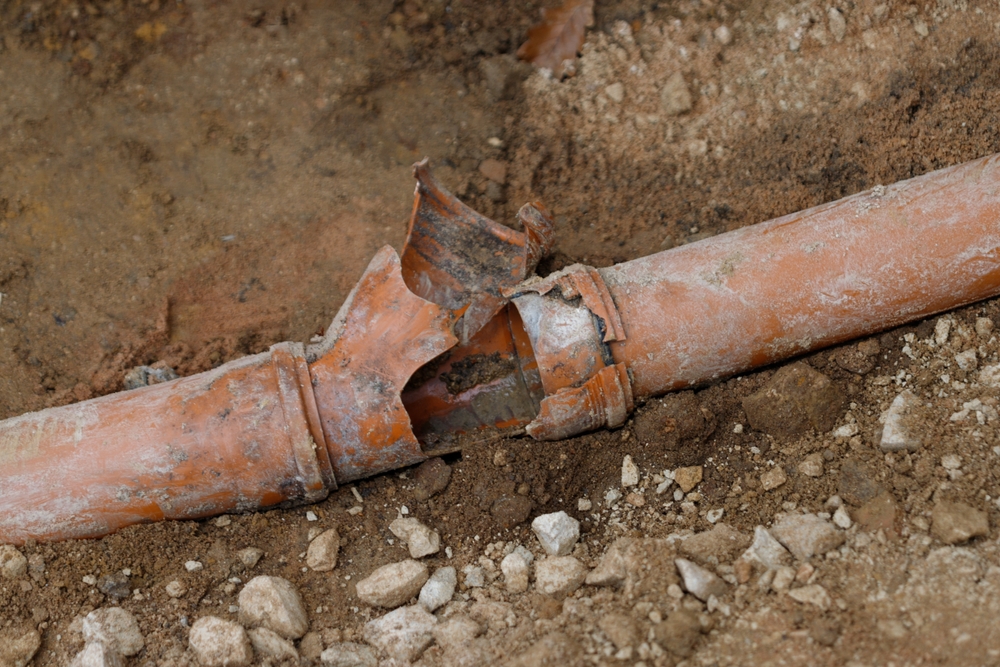
Repiping is one of those home projects that sounds straightforward until you start thinking about what it actually involves inside your walls, floors, and yard. Most contractor pages focus on materials, timelines, and pricing, but homeowners usually have a different set of concerns that rarely get addressed directly.
When considering repiping services in Westfield, NJ, it helps to understand the real-world questions that come up once work begins, especially when the home is still occupied and daily routines continue around the project.
Will My Landscaping Be Damaged During Repiping?
This is one of the most common concerns, especially for homeowners with established lawns, gardens, or hardscape features. In many cases, access points are carefully planned to minimize disruption to outdoor areas, but some level of soil disturbance is typically necessary when pipes run beneath yards. The extent of impact depends on the layout of the existing system and whether interior access points can be used for parts of the work. With experienced repiping contractors, trenching is usually targeted rather than widespread, which helps reduce unnecessary disruption to outdoor spaces.
Can I Stay in My Home While Repiping Is Happening?
In most situations, homeowners remain in the home during whole house repiping projects. Water service may be temporarily shut off during certain stages of the work, but crews typically plan these interruptions to limit disruption. Daily routines such as sleeping, cooking, and working from home can usually continue, although there may be periods where water access is limited. The level of convenience depends on the size of the home, the number of plumbing fixtures, and how the repiping sequence is staged by the team handling the work.
What Happens If I Have Pets During the Project?
Pets are an important consideration that often gets overlooked in standard project explanations. Noise from cutting, drilling, and pipe removal can be stressful for animals, especially in smaller homes where work areas are close to living spaces. Homeowners often choose to keep pets in a separate room or temporary boarding situation during more active phases of the project. Experienced repiping experts are typically aware of these concerns and can help plan work schedules that reduce disruption where possible.
How Long Does Repiping Actually Take?
The timeline varies based on the size of the home, the accessibility of existing plumbing, and whether additional issues are discovered during the process. Smaller homes may take only a few days, while larger properties can take longer depending on complexity. The condition of the original piping system also plays a role, especially if corrosion or previous repairs complicate the removal and installation process. In urgent situations involving deteriorating systems, emergency repiping may be prioritized to restore safe and reliable water access as quickly as possible.
Will I Need to Replace Drywall and Flooring?
Some level of interior access is often required when pipes run through walls or under floors. This can involve small openings that are later repaired once installation is complete. The extent of interior work depends on how the original plumbing was routed and whether alternative access points exist. In some cases, strategic planning by a qualified repiping company can reduce the amount of surface repair needed after installation, but minor restoration work is typically part of the overall process.
What Causes a Home to Need Repiping in the First Place?
Most repiping projects are driven by aging materials, recurring leaks, or declining water quality caused by corrosion inside older pipes. Over time, materials like galvanized steel or aging copper can develop internal buildup that restricts flow and weakens pipe integrity. When these issues become widespread throughout the system, targeted repairs are often no longer sufficient, and full pipe replacement becomes the more practical long-term solution.
Frequently Asked Questions
Will my landscaping be damaged during repiping?
Targeted routing and interior-first access points usually limit lawn disruption, though minor yard work may be required for outdoor connections.
Can I stay in my home while repiping is happening?
Yes. Water shutoffs are organized dynamically to minimize impact on your daily sleep, work, and cooking routines.
What happens if I have pets during the project?
Noise from pipe installation can disturb pets; keeping them in a designated quiet zone or daytime care is highly recommended.
How long does repiping actually take?
Timelines depend on home size and setup layout. Minor structures require a few days, while comprehensive overhauls naturally take longer.
Will I need to replace drywall and flooring?
Some small drywall wall cuts are typically required to thread your new lines, but structural repair efforts are finalized post-installation.
What causes a home to need repiping in the first place?
It is driven by mineral corrosion, scale accumulation inside galvanized pipes, drops in water pressure, or recurring slab leaks.
A Clearer Understanding of What Repiping Really Involves
Repiping is not only about replacing old pipes; it is also about managing the realities of living in a home while that work is underway. Sewer Surgeons provides solutions backed by emergency services, fully insured technicians, and 100% guaranteed satisfaction, helping homeowners move through the process with clarity and support. If you are considering repiping services in your home, our team can walk you through what to expect and help determine the most practical approach for your property. Contact us today for a consultation!