Sewer issues rarely stay isolated to a single property for long. In many neighborhoods, especially those with aging infrastructure or shared soil conditions, one home experiencing backups or pipe damage can be an early warning sign for surrounding homes. This is because sewer systems often run through the same soil corridors, tree root networks, and utility pathways.
For homeowners considering sewer line repair in Millburn, NJ, understanding how neighborhood-wide conditions affect individual properties can help explain why problems sometimes appear “out of nowhere” even when nothing has changed inside the home.
Shared Infrastructure Means Shared Risk
Even though each home has its own lateral sewer connection, those lines eventually tie into a shared municipal system. When the main lines in a neighborhood begin to age, corrode, or shift due to soil movement, multiple properties can feel the effects at the same time. According to the U.S. Environmental Protection Agency, aging sewer infrastructure is one of the most common contributors to service disruptions in residential areas across the country.
If a main line becomes partially blocked or structurally compromised, pressure changes and flow restrictions can ripple outward into connected lateral lines. This is why multiple homes on the same street may report similar issues within a short timeframe, often leading to broader sewer system repair discussions at both the municipal and residential levels.
Tree Roots Do Not Respect Property Lines
One of the most common shared causes of sewer problems is tree root intrusion. Roots naturally seek out moisture and can extend far beyond the tree’s visible canopy, crossing property boundaries underground. If one property has a compromised pipe joint or small crack, roots can enter and expand, eventually spreading along the shared underground environment.
Common signs of root-related sewer issues:
- Repeated backups across multiple nearby homes
- Slow drainage in different properties on the same block
- Gurgling sounds from drains during heavy water use
- Recurring blockages in similar pipe sections
When this happens, individual fixes like localized sewer pipe repair may provide temporary relief, but without addressing the broader root network or damaged sections, problems can continue to reappear.
Soil Conditions Affect Entire Streets at Once
Soil movement is another factor that impacts multiple homes simultaneously. Expansive clay soils, erosion, and seasonal moisture changes can shift underground pipes over time. When the soil bed supporting a sewer line becomes unstable, pipes can sag, separate at joints, or develop cracks.
These conditions often require a detailed sewer line inspection to determine whether the issue is localized or part of a wider pattern affecting multiple properties in the area. In some cases, what appears to be an isolated blockage is actually part of a larger structural shift beneath the neighborhood.
When One Problem Becomes an Emergency Situation
If multiple homes begin experiencing backups or sewer odors at the same time, it may indicate a more urgent system failure developing in the main line. In these situations, rapid response is critical to prevent further damage or overflow conditions. This is where emergency sewer line repair becomes necessary to stabilize the system and restore proper flow.
The challenge is that early signs often appear minor before escalating. Slow drains, occasional gurgling, or intermittent backups may not seem connected at first, but patterns across multiple properties can point to a shared underlying issue.
Why Trenchless Solutions Are Often Considered
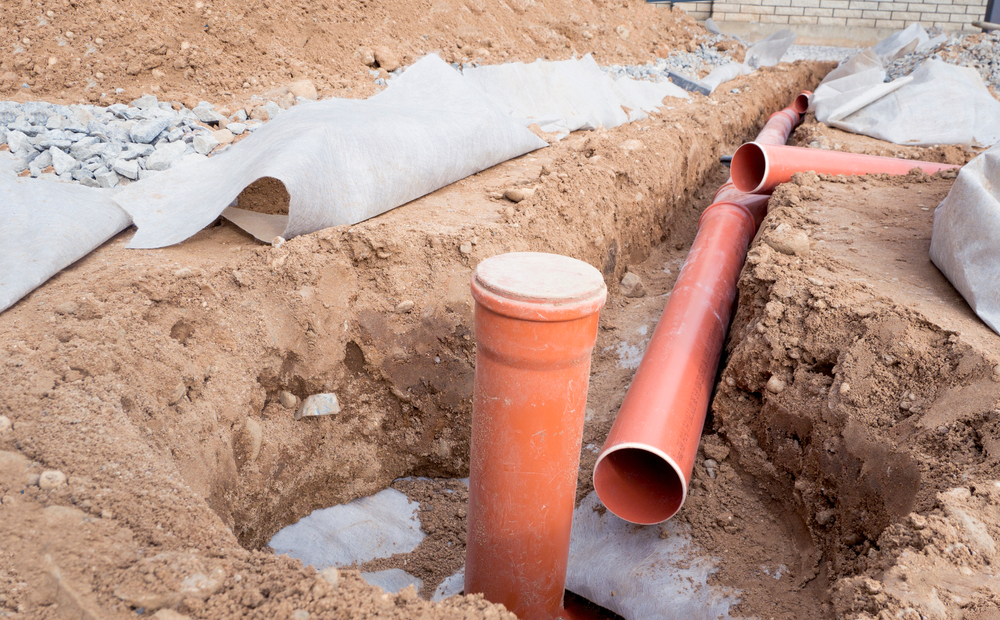
When neighborhood-wide sewer problems occur, excavation across multiple properties is not always practical or necessary. Trenchless methods allow technicians to access and repair damaged sections without widespread digging. Modern trenchless sewer repair techniques can restore structural integrity while minimizing disruption to landscaping, driveways, and shared spaces.
This approach is often used when damage is localized within specific pipe segments but influenced by broader environmental conditions.
When Localized Repair Still Matters
Even when neighborhood factors are involved, each property still requires its own evaluation. Individual sewer line services help determine whether the issue originates in a home’s lateral connection or stems from a shared municipal problem. Addressing only the neighborhood-level issue without fixing the private connection can still leave homeowners vulnerable to recurring disruptions.
Frequently Asked Questions
Can my sewer line be affected if my neighbor has problems?
Yes. Shared soil conditions, tree roots, and aging infrastructure can affect multiple homes in the same area.
How do I know if it’s my line or the city’s sewer main?
A sewer line inspection is typically needed to determine whether the issue is on private property or within the municipal system.
Do sewer problems usually spread between homes?
They do not physically spread, but shared environmental and infrastructure conditions can cause similar issues across multiple properties.
What is the fastest way to confirm a sewer issue?
Professional inspection using camera equipment is the most reliable method to identify blockages or structural damage.
When Neighborhood Clues Should Not Be Ignored
Sewer problems often follow patterns that extend beyond a single property, especially in areas with older infrastructure or shared underground conditions. Sewer Surgeons provides expert diagnostics and repair solutions backed by emergency services, fully insured technicians, and 100% guaranteed satisfaction. If your neighbors are experiencing sewer issues, it may be worth evaluating your own system before small warning signs turn into service disruptions. Get in touch with us today!