The Most Overlooked Plumbing Maintenance Tasks That Prevent Major Repairs

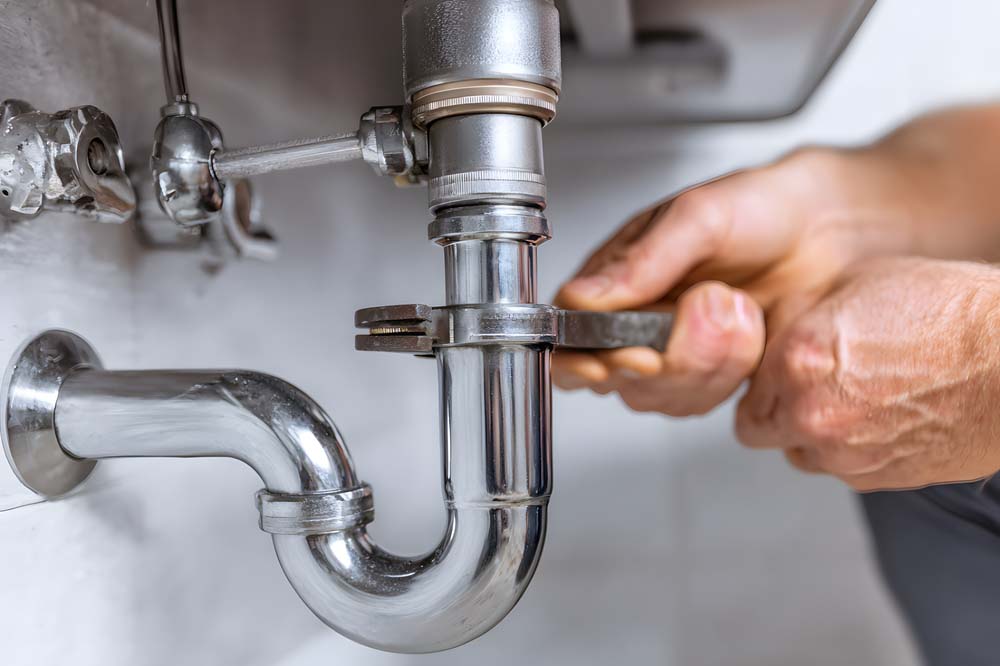
pipe being tightened by a plumber

When it comes to plumbing, the little things often make the biggest difference. Skipping routine maintenance can turn a small issue into a costly emergency. For homeowners and business owners alike, having a trusted plumber in Westfield, NJ, can mean the difference between smooth operation and unexpected damage. Understanding which tasks are commonly overlooked helps you stay ahead of problems.

Check for Hidden Leaks

Small leaks can quietly waste water and cause long-term damage. Pipes under sinks, behind walls, or under slabs may go unnoticed until a serious problem develops. Regular water leak detection prevents these hidden issues from becoming major repairs and protects both your property and your plumbing investment.

Maintain Drains and Toilets

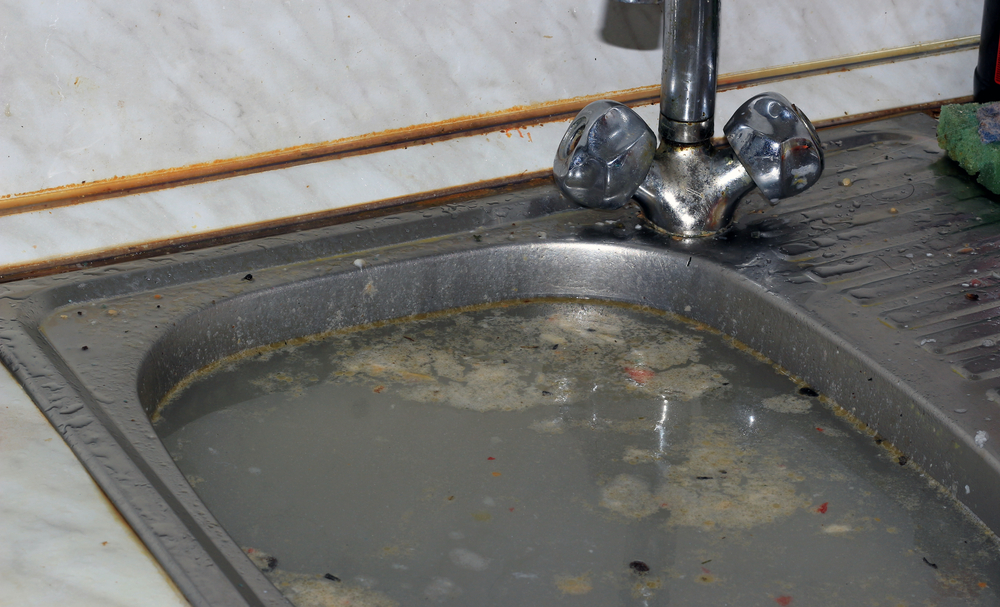
Clogged or slow drains are often ignored until water starts backing up. Routine inspections and maintenance for your kitchen sinks, showers, and toilets reduce the risk of backups and prevent the need for clogged toilet repair or more extensive sewer line work.

  • Inspect and clean sink traps
  • Check toilet flushing performance
  • Remove buildup in shower drains

Service Your Sump Pump

Sump pumps protect your basement from flooding, yet they’re often overlooked until water is already pooling. Testing your sump pump regularly and performing minor maintenance helps it work properly when you need it most. Sump pumps that aren’t maintained can fail during storms, causing preventable water damage.

Inspect Water Pressure and Piping

Excessive water pressure or outdated pipes can accelerate wear and lead to leaks or bursts. Whether it’s repiping old lines or monitoring pressure, regular attention keeps your plumbing system in top condition.

Look for Slab Leaks

Slab leaks develop under concrete floors and are extremely damaging if ignored. Homeowners rarely notice them until significant water damage occurs. Scheduling routine inspections with professionals trained in slab leak repair ensures early detection and minimal disruption.

Check Kitchen and Commercial Plumbing

Kitchens are high-traffic areas for plumbing issues. Grease buildup, leaky faucets, and small pipe issues can snowball into major repairs. Similarly, businesses rely on functional plumbing for daily operations. Routine attention to commercial plumbing reduces downtime and costly service calls.

FAQs

How often should plumbing maintenance be performed?

Most homeowners benefit from professional plumbing services once a year, while commercial properties may need semi-annual inspections.

Can small leaks really cause major damage?

Yes, even minor leaks can lead to water damage, mold growth, and structural issues if left unaddressed.

What’s the first sign I need sump pump maintenance?

Any unusual noises, slow water removal, or visible debris in the sump pit are indicators it’s time for service.

Are slab leaks common in older homes?

Yes, homes with aging concrete floors and plumbing systems are particularly prone to hidden slab leaks.

Keep Your Plumbing Running Smoothly

Routine maintenance is the key to avoiding major repairs. Sewer Surgeons provides expert plumber services in Westfield, NJ, including leak detection, drain cleaning, sump pump service, and comprehensive plumbing inspections. Our emergency-ready, fully insured team guarantees satisfaction, helping homeowners and businesses prevent small issues from turning into major disruptions. Contact us today to schedule a service!

How to Spot Plumbing Issues During Seasonal Changes

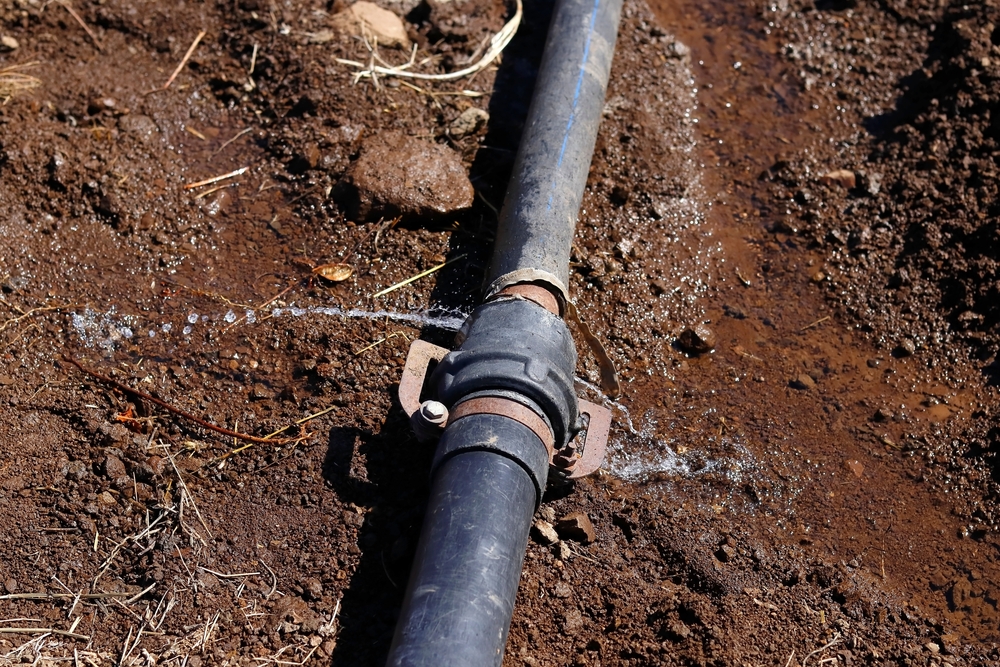
leaky pipe line

Seasonal changes can bring sudden surprises for property owners, especially when it comes to plumbing. Temperature swings, heavy rainfall, or freezing nights can reveal hidden problems in your pipes, faucets, and fixtures. We see this often at Sewer Surgeons, and we know how small issues can quickly become disruptions.

If you are looking for a reliable plumber in Chatham Township, NJ, you’ve come to the right place. We’ll help you recognize the signs of plumbing trouble early to save time and prevent unnecessary plumbing maintenance worries.

Pipes That “Shiver”

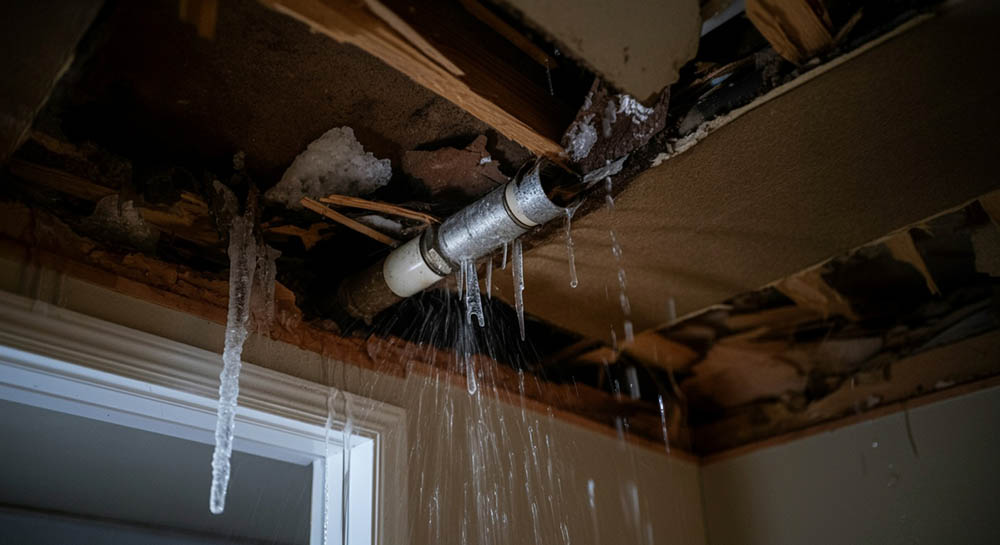
Cold weather can cause pipes to contract and expand, sometimes leading to cracks or leaks. A telltale sign is a sudden drop in water pressure or strange noises when you turn on taps. According to the American Water Works Association, freezing temperatures account for over 30% of residential pipe bursts in the United States each year. Thorough water leak detection procedures during this time can prevent serious damage and help you pinpoint the problem before it spreads.

Kitchen Clues

Kitchens often show the earliest signs of stress. Drips under sinks, puddles around dishwashers, or sinks that drain slowly signal that attention is needed. Our services cover clogged toilet repair, slow drains, and kitchen plumbing maintenance. Detecting these problems in the cooler months is crucial because frozen or obstructed pipes can worsen if left untreated.

Basement Warnings

Basements are highly vulnerable to seasonal water issues. Sump pumps may be overworked during spring rain or winter thaw, increasing the risk of flooding. Older homes built on concrete slabs can experience slab leak repair needs when temperature fluctuations affect the foundation. Checking for damp spots or unusual odors in your basement can save extensive repairs down the line.

Heating and Repiping Signals

Heating systems that rely on water circulation may show leaks in radiators or valves. We also notice that older homes sometimes require repiping when seasonal stress reveals worn pipes. Even small drips or rust-colored water can indicate that the system is under strain. Early detection allows for timely intervention, maintaining comfort and safety for everyone in the home.

Plumbing FAQs

How do I know if my sump pump is failing?

Listen for unusual noises and check if water is pooling near the pit; frequent cycling is also a warning sign.

What causes slab leaks during seasonal changes?

Shifts in soil and freezing temperatures can create pressure points, sometimes leading to small cracks that require slab leak repair in slab-embedded pipes.

Can I detect water leaks without a professional?

You can look for damp spots, low water pressure, or unusual water bills, but accurate detection often requires specialized tools.

When should I call for clogged toilet repair?

Any persistent slow flushing or repeated backups call for immediate clogged toilet repair procedures to prevent overflow and water damage.

Seasonal changes tend to test your plumbing system, but with careful observation, you can catch potential problems before they develop further and become unmanageable. Sewer Surgeons offers top-notch plumbing services. With our fully insured technicians, we handle plumbing emergencies and provide clients with 100% guaranteed satisfaction. Whether it’s water leak detection, sump pumps, repiping, or kitchen plumbing, we’re ready to respond quickly and expertly. Reach out to us today to schedule a service appointment!

What Facility Managers Should Include in a Commercial Plumbing Maintenance Checklist

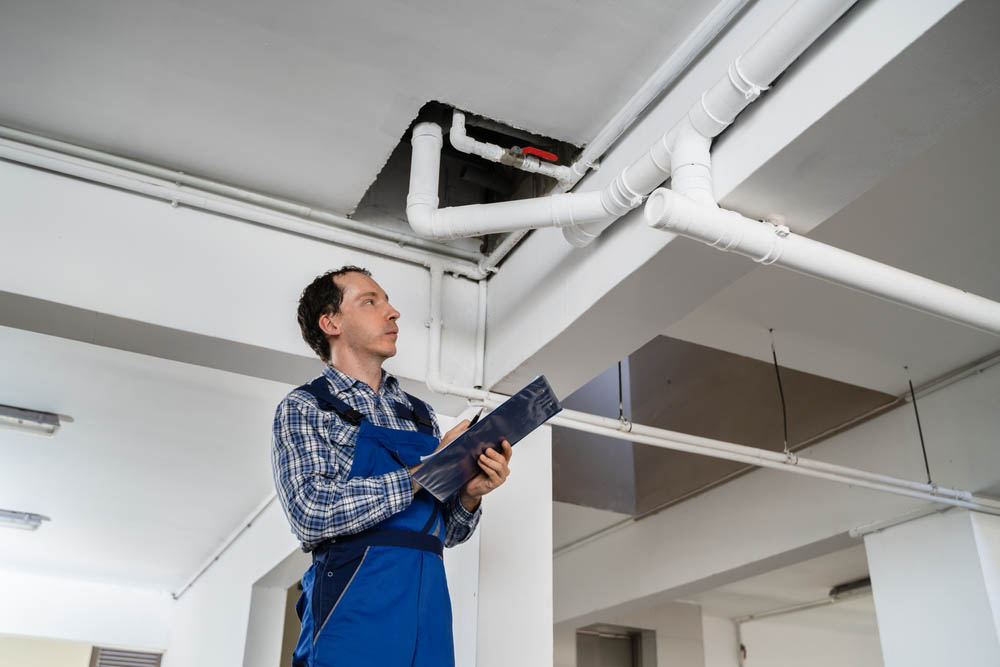
commercial plumber conducting an inspection

Plumbing systems in commercial properties handle more stress than residential ones, making preventive care even more essential. Sewer Surgeons provides guidance for facility managers looking to create a reliable routine for commercial plumbing in Summit, NJ. A well-structured checklist helps reduce unexpected breakdowns, manage costs, and extend the life of the system.

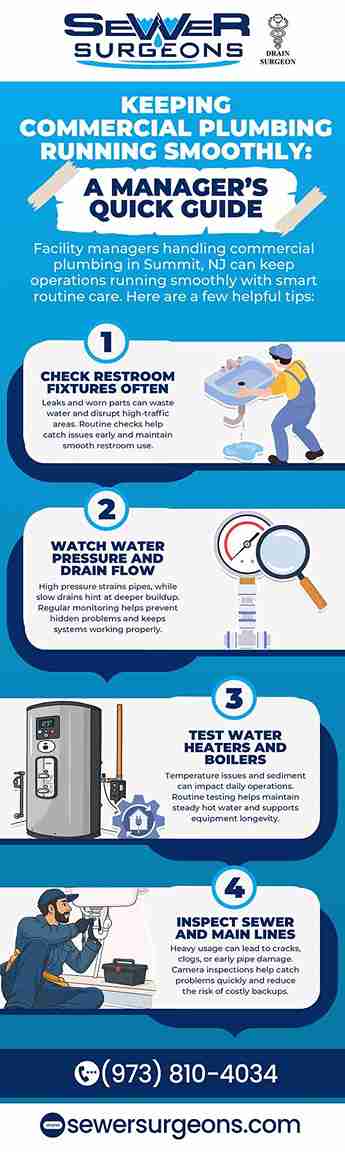
Inspect Fixtures and Restrooms Regularly

Restrooms see high daily use, and even small leaks or running toilets can waste significant amounts of water. Facility managers should schedule inspections for sinks, toilets, urinals, and faucets to confirm they are working efficiently. Any early signs of wear or leaks should be addressed promptly by a qualified commercial plumber.

Monitor Water Pressure and Drains

Water pressure that is too high can strain pipes, while low pressure may indicate hidden leaks or buildup. Checking pressure on a consistent basis helps identify concerns before they escalate. Drains should also be tested for flow, as slow drainage can signal clogs forming deeper in the line. Professional services such as commercial hydro jetting may be needed to clear buildup and restore proper function.

Test Water Heaters and Boilers

Hot water supply is essential for many commercial operations. Facility managers should add water heater and boiler testing to their checklist. This includes verifying temperature settings, inspecting for sediment buildup, and checking safety valves. When repairs or replacements are required, partnering with experts who handle plumbing installation helps maintain reliable service.

Examine Backflow Prevention Devices

Backflow can contaminate a building’s water supply, creating health risks and compliance issues. Backflow prevention devices should be inspected and tested on a regular basis. Facility managers who schedule testing as part of ongoing commercial plumbing services reduce the chance of costly fines or shutdowns.

Maintain Sewer and Main Lines

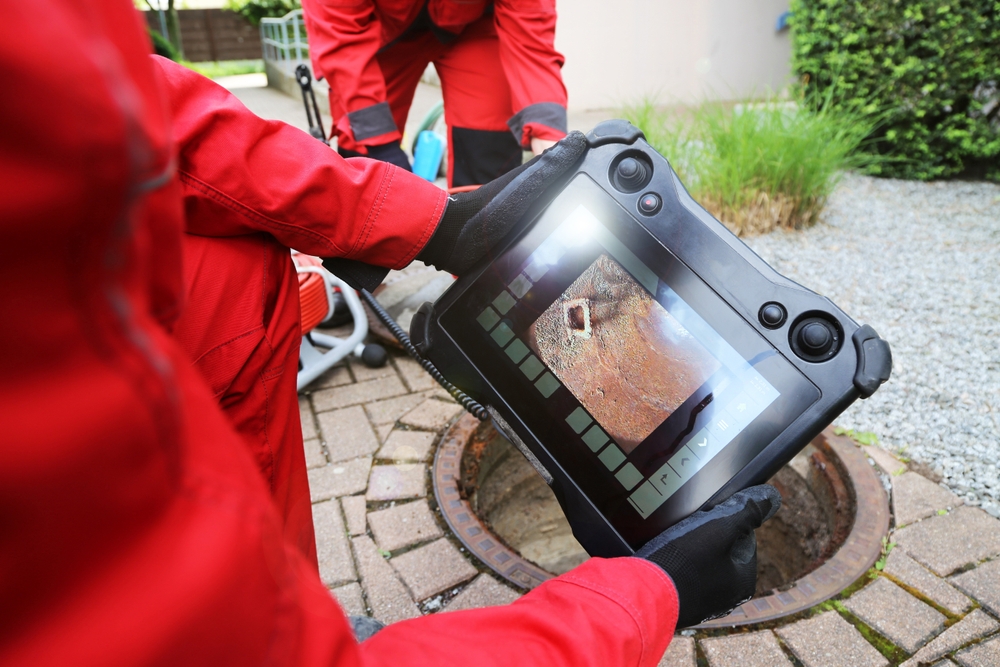
Sewer lines in commercial buildings face heavy demand. Regular inspection with video camera equipment allows technicians to track pipe condition and spot early damage. When problems are identified, scheduling timely commercial sewer repair prevents backups and protects the property from water damage and operational delays.

Keeping Commercial Plumbing Running Smoothly

FAQs

Q: How often should facility managers update their plumbing maintenance checklist?

A: A checklist should be reviewed at least once a year and adjusted based on building size, usage, and regulatory requirements.

Q: What are signs that commercial plumbing maintenance is overdue?

A: Frequent clogs, inconsistent water pressure, foul odors, and visible leaks often indicate maintenance has been delayed.

Q: Do commercial properties need different maintenance routines than residential ones?

A: Yes. Commercial properties experience higher usage, larger systems, and stricter regulations, often requiring a more detailed checklist.

A detailed checklist helps facility managers stay ahead of costly repairs and maintain compliance. Sewer Surgeons supports businesses with 24/7 availability, a satisfaction guarantee, and the expertise of licensed technicians. For reliable assistance with commercial and emergency needs, our team is ready to provide trusted service whenever it is needed. Call us today or fill out our online form to schedule an appointment.

Why “Flushable” Products Are the Biggest Drain Myth in Modern Plumbing

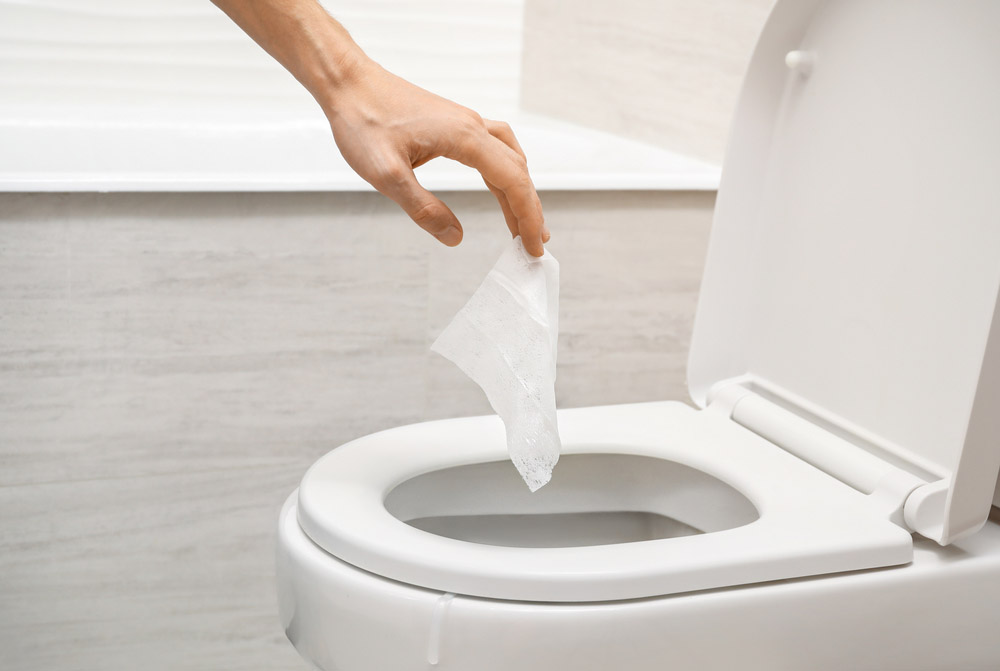
flushable wipes

Are “flushable” wipes truly safe for your plumbing? Many products claim to be, but the reality is they often cause serious blockages. As the trusted provider of professional drain cleaning in Glen Ridge, NJ, our Sewer Surgeons team works to educate our clients about the dangers of these items. Understanding the truth about so-called “flushable” products is the first step in preventing major drain issues.

Why Do “Flushable” Wipes Clog Drains?

Unlike toilet paper, which dissolves quickly in water, “flushable” wipes are made with synthetic fibers that stay intact. While they may feel flimsy, these fibers are durable enough to resist breaking down in a drain system. Over time, these wipes accumulate in pipes, catching hair, grease, and other debris. This creates a solid blockage that can halt water flow entirely. A single wipe may not seem like a problem, but the cumulative effect of many can be severe and prompt emergency drain cleaning.

What Happens to “Flushable” Products in Your Plumbing?

When these items enter your home’s pipes, they start to create a problem. The wipes collect in bends and joints, forming a dense clog. This blockage can result in a drain back up in sinks, showers, and toilets, resulting in a smelly and unhygienic mess. Public sewer systems also suffer. Municipal workers often face massive “fatbergs”—large, solid masses of wipes, grease, and other non-biodegradable materials. These fatbergs can block entire sewer lines, causing significant damage and requiring extensive removal efforts.

The Truth About Other “Flushable” Items

Many other items are frequently flushed but are not designed for plumbing systems. Paper towels, cotton swabs, and dental floss are common culprits of clogged drains. These materials, like wipes, do not disintegrate and can become lodged in your pipes.

Feminine hygiene products, medications, and even pet waste bags are also major contributors to blockages. These items should always be disposed of in a trash can, not in the toilet. Adhering to this simple rule helps prevent the need for frequent drain services.

Why Trust a Professional for Your Drains?

When a clog occurs, especially a difficult one, professional help is essential. Experienced technicians have the right equipment to safely and effectively clear your pipes. High-pressure water jetting and specialized augers can break apart stubborn clogs without damaging your plumbing.

While DIY methods might provide a temporary fix, they rarely address the root of the problem. A professional inspection can identify underlying issues and prevent repeat blockages. Regular drain cleaning services can also help maintain the health of your plumbing system.

FAQs

Q: What are some alternatives to “flushable” wipes?

A: For personal hygiene, bidet attachments or reusable cloths are environmentally friendly alternatives that are also safe for your plumbing.

Q: Are there any legitimate “flushable” products besides toilet paper?

A: No. Toilet paper is the only product specifically designed to dissolve safely and completely in your plumbing and sewer systems.

Q: Can chemical drain cleaners fix a “flushable” wipe clog?

A: Chemical drain cleaners are typically ineffective against these types of clogs and can damage your pipes, making the problem worse.

Get Professional Help for Your Drain Issues

If you are dealing with a drain issue, do not hesitate to turn to Sewer Surgeons. We offer expert drain cleaning solutions to resolve blockages quickly and efficiently. Our technicians are fully licensed and insured, and our residential and commercial services are backed by a satisfaction guarantee. When you need to get your drains flowing again, we are here to help. Call us today or fill out our online form to schedule an appointment.

Holiday Travel Plumbing Prep: Protecting Your Pipes While You’re Away

packed bags

Holiday trips bring excitement, but they also mean leaving your home unattended. Plumbing issues that go unnoticed during this time can quickly escalate into expensive repairs. As the trusted local plumber in Mountain Lakes, NJ, Sewer Surgeons shares how simple preparation can help protect your system and avoid surprises.

Why Plumbing Preparation Matters During Holiday Travel

Plumbing systems run quietly in the background, but when something goes wrong, the damage can spread quickly. A small leak can grow into flooding, frozen pipes can burst, and hidden blockages can push wastewater back into the home. By preparing before travel, you lower the risk of coming back to an unwanted plumbing emergency.

Turn Off the Main Water Supply

Shutting off the main water valve is one of the most effective ways to protect pipes while away. With water flow stopped, the chance of a sudden burst or leak is greatly reduced. If shutting the entire supply is not possible, consider turning off valves to individual appliances such as sinks, washing machines, and ice makers. This small step provides strong protection against unexpected plumbing failures.

Check for Leaks Before You Leave

Even minor leaks can cause major damage if left unattended. A careful inspection of sinks, toilets, and exposed pipes is worth the effort. Scheduling professional water leak detection before a trip can also be helpful. Trained specialists use advanced equipment to spot hidden problems that may not be visible. Addressing these issues early reduces the risk of returning home to water damage.

Clear Drains and Toilets

Standing water in drains and toilets can create unpleasant odors and worsen existing blockages. Before leaving, flush toilets and run water through sinks and tubs. If there have been issues, arrange clogged toilet repair or drain cleaning ahead of travel. Clear drains lower the chances of backups while no one is home to notice.

Insulate and Protect Vulnerable Pipes

Cold weather increases the chance of frozen pipes. Insulating exposed pipes in basements, attics, and garages is an effective safeguard. In climates prone to freezing, setting the thermostat at a consistent temperature prevents the home from dropping too low. These steps keep water moving safely while you are away.

Address Larger Concerns in Advance

If you have noticed low water pressure, recurring damp spots, or unexplained increases in water bills, these may point to bigger concerns. Professional services such as slab leak repair and kitchen plumbing maintenance can help resolve underlying problems before travel. Taking care of these issues beforehand means fewer worries during your time away.

FAQs

Q: Should I turn off my water heater completely?

A: No, it is generally better to set it to “vacation mode” or a low temperature. Turning it off completely for an extended time can make it harder to restart and can even lead to issues with the pilot light or heating elements.

Q: What about outdoor plumbing like hoses and spigots?

A: Before you leave for a winter trip, disconnect all garden hoses from outdoor faucets. Drain any remaining water from the spigot and consider covering it with an insulated cover to prevent freezing.

Q: How long before my trip should I schedule plumbing maintenance?

A: It’s best to schedule service at least a week before travel. This allows time for repairs or inspections without last-minute stress.

Preparing pipes before leaving for the holidays saves time, money, and stress later. Sewer Surgeons offers full plumbing services for both residential and commercial properties. Our team is available 24/7, and our solutions are backed by a satisfaction guarantee, so you can leave your home with confidence. Call us today to schedule an appointment.