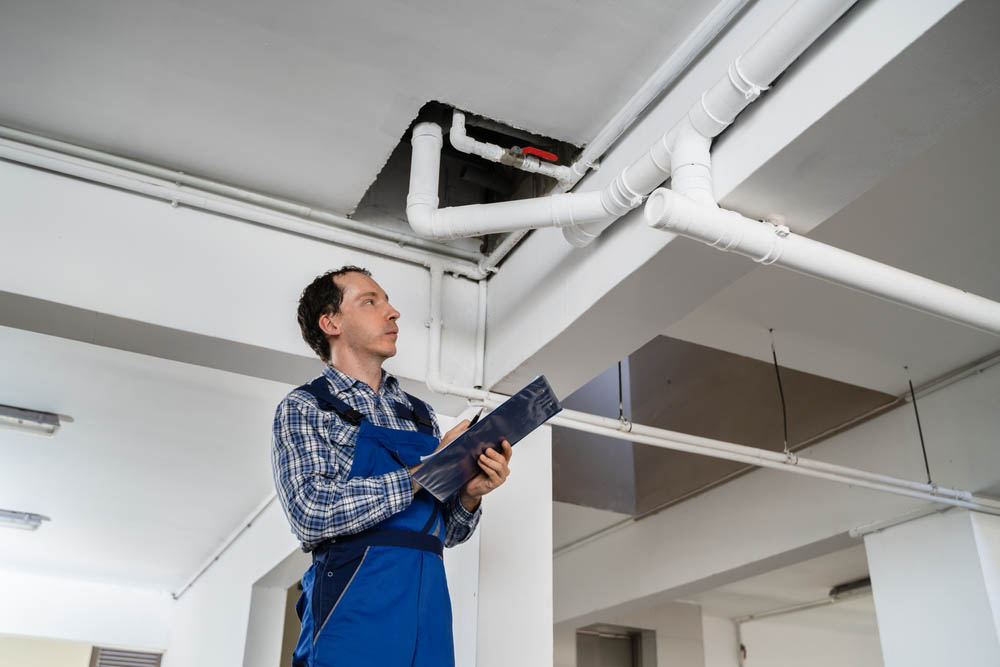
Plumbing systems in commercial properties handle more stress than residential ones, making preventive care even more essential. Sewer Surgeons provides guidance for facility managers looking to create a reliable routine for commercial plumbing in Summit, NJ. A well-structured checklist helps reduce unexpected breakdowns, manage costs, and extend the life of the system.
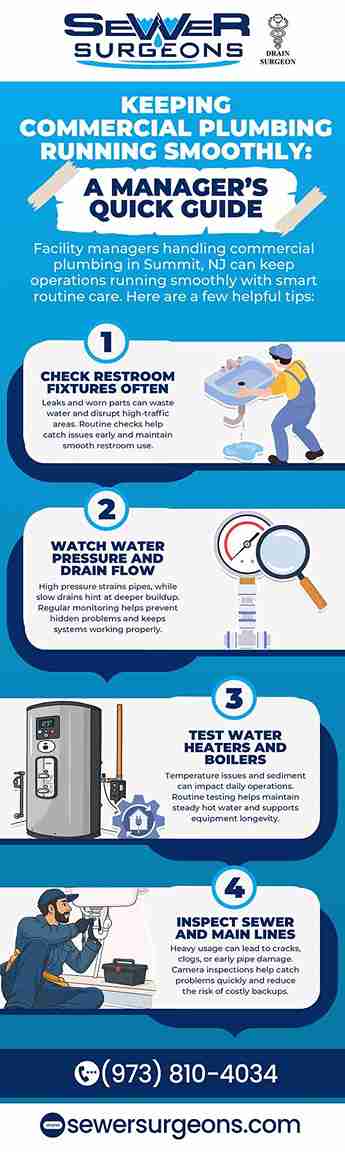
Inspect Fixtures and Restrooms Regularly
Restrooms see high daily use, and even small leaks or running toilets can waste significant amounts of water. Facility managers should schedule inspections for sinks, toilets, urinals, and faucets to confirm they are working efficiently. Any early signs of wear or leaks should be addressed promptly by a qualified commercial plumber.
Monitor Water Pressure and Drains
Water pressure that is too high can strain pipes, while low pressure may indicate hidden leaks or buildup. Checking pressure on a consistent basis helps identify concerns before they escalate. Drains should also be tested for flow, as slow drainage can signal clogs forming deeper in the line. Professional services such as commercial hydro jetting may be needed to clear buildup and restore proper function.
Test Water Heaters and Boilers
Hot water supply is essential for many commercial operations. Facility managers should add water heater and boiler testing to their checklist. This includes verifying temperature settings, inspecting for sediment buildup, and checking safety valves. When repairs or replacements are required, partnering with experts who handle plumbing installation helps maintain reliable service.
Examine Backflow Prevention Devices
Backflow can contaminate a building’s water supply, creating health risks and compliance issues. Backflow prevention devices should be inspected and tested on a regular basis. Facility managers who schedule testing as part of ongoing commercial plumbing services reduce the chance of costly fines or shutdowns.
Maintain Sewer and Main Lines
Sewer lines in commercial buildings face heavy demand. Regular inspection with video camera equipment allows technicians to track pipe condition and spot early damage. When problems are identified, scheduling timely commercial sewer repair prevents backups and protects the property from water damage and operational delays.
FAQs
Q: How often should facility managers update their plumbing maintenance checklist?
A: A checklist should be reviewed at least once a year and adjusted based on building size, usage, and regulatory requirements.
Q: What are signs that commercial plumbing maintenance is overdue?
A: Frequent clogs, inconsistent water pressure, foul odors, and visible leaks often indicate maintenance has been delayed.
Q: Do commercial properties need different maintenance routines than residential ones?
A: Yes. Commercial properties experience higher usage, larger systems, and stricter regulations, often requiring a more detailed checklist.
A detailed checklist helps facility managers stay ahead of costly repairs and maintain compliance. Sewer Surgeons supports businesses with 24/7 availability, a satisfaction guarantee, and the expertise of licensed technicians. For reliable assistance with commercial and emergency needs, our team is ready to provide trusted service whenever it is needed. Call us today or fill out our online form to schedule an appointment.