Submersible vs. Pedestal: Which Sump Pump Style Belongs in Your Basement?

sump pumps

Two homes can face the same storm and have completely different outcomes, all because of the sump pump sitting in the pit. One runs quietly and clears water fast. The other is louder, slower, and harder to rely on during peak demand. The difference often comes down to design. For homeowners comparing sump pumps in Chatham, NJ, you need to understand how submersible and pedestal pumps behave, which makes the decision much clearer.

How Each Pump Style Works

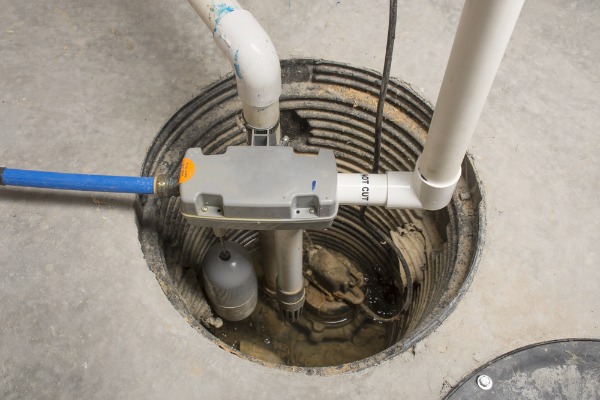
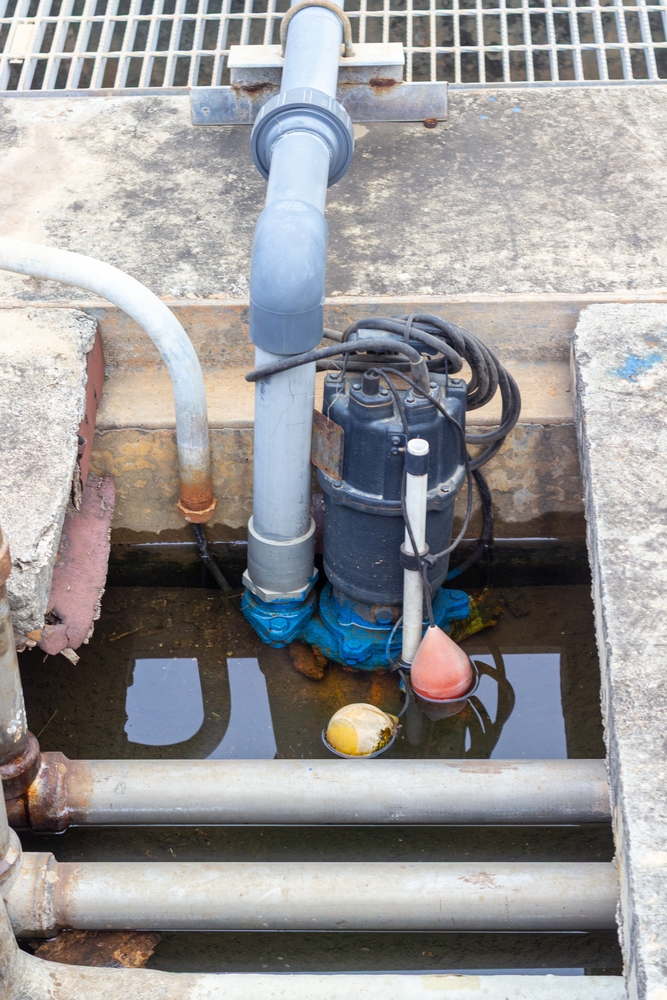
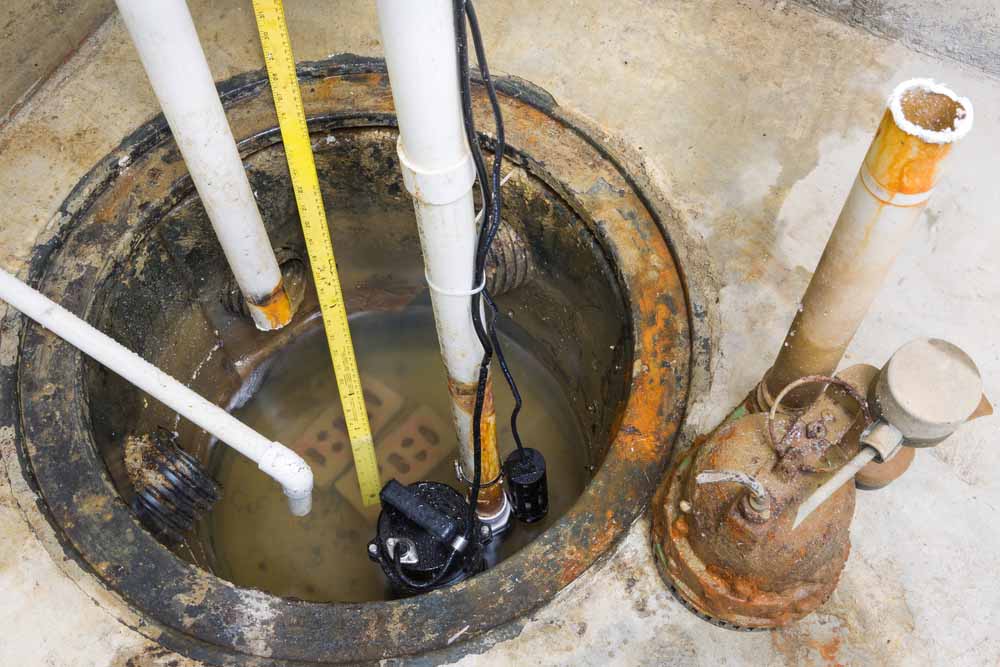
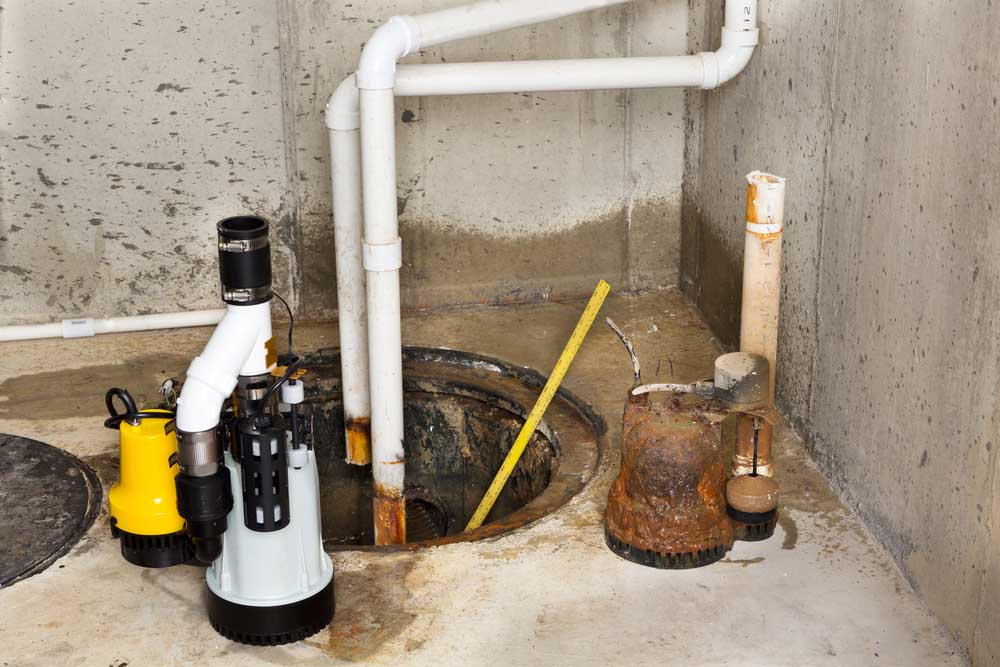
Submersible sump pumps sit inside the sump pit, fully submerged in water. The motor is sealed and designed to operate underwater. This setup keeps noise low and allows the pump to handle higher volumes of water efficiently. Regular sump pump services help ensure this system stays in peak condition, preventing any unexpected failures during heavy rainfall.

Pedestal sump pumps, on the other hand, have a motor mounted above the pit. Only the intake pipe sits in the water. This design keeps the motor dry and easier to reach, but it also makes the unit louder during operation.

Noise and Basement Comfort

If your basement is finished or used as living space, noise matters. Submersible pumps are much quieter because the surrounding water helps dampen sound. Pedestal pumps tend to produce a noticeable hum or vibration when running.

For homeowners prioritizing comfort, especially in finished basements, submersible models are often the preferred choice. If your pump runs frequently during storms, the difference in noise becomes even more noticeable.

Durability and Performance

Submersible pumps are built for heavy-duty performance. Their sealed design protects internal components from debris and moisture. They also handle higher water volumes, which is important during heavy rainfall.

Pedestal pumps have fewer components exposed to water, which can make them last longer in some cases. However, they are generally less powerful and may struggle during high water flow events.

  • Submersible pumps handle higher capacity and run more efficiently
  • Pedestal pumps are simpler in design and easier to access
  • Submersible units are better suited for high-demand situations
  • Pedestal units work well in smaller or less demanding systems

If your system is struggling, professional sump pump repair work can help determine whether your current setup is still effective.

Maintenance and Service Access

One of the biggest advantages of pedestal pumps is accessibility. Since the motor sits above the pit, it’s easier to inspect and service. This can simplify routine sump pump maintenance and minor adjustments.

Submersible pumps require removing the unit from the pit for inspection, which can take more time. However, their sealed design often reduces how frequently service is needed.

Choosing the Right Fit

The best pump for your home depends on your basement layout and how often your system runs.

  • Choose submersible if you want quiet operation and higher performance
  • Choose pedestal if you prefer easier access and simpler servicing
  • Consider how often your pump runs during storms
  • Factor in whether your basement is finished or unfinished

Working with experienced sump pump contractors helps match the right system to your home’s needs and water conditions.

FAQs

Which sump pump lasts longer?

Pedestal pumps can last longer due to their dry motor, but submersible pumps offer better overall performance.

Are submersible pumps worth the cost?

Yes. They provide quieter operation and handle higher water volumes more effectively.

Can I switch from pedestal to submersible?

Yes. A professional can upgrade your system during a sump pump replacement.

What if my pump fails during a storm?

Immediate help is available through emergency sump pump service to prevent flooding and water damage.

Get the Right Pump for Your Basement

Choosing the right sump pump is about more than preference. Sewer Surgeons provides expert sump pump installation backed by emergency services, fully insured technicians, and 100% guaranteed satisfaction. Whether you need an upgrade, repair, or a full system replacement, we help protect your basement with the right solution for your home!

Signs Your Sump Pump is Reaching the End of Its Lifespan

worn-out sump pumps

A sump pump rarely fails without warning. Homeowners often notice subtle changes first, like longer run times or noises that do not sound right. We have seen how these early signs can hint at deeper problems, especially in homes with older foundations and challenging water conditions. With frequent rainfall and established neighborhoods, sump pumps in Chatham Township, NJ, face real demands. Sewer Surgeons encounters these situations daily, and we want property owners to recognize the signals before water becomes a problem.

Strange Noises and Short Cycling

A healthy pump has a steady, familiar rhythm. Grinding, rattling, or rapid on-off cycling often points to wear inside the unit. According to the American Society of Home Inspectors, these sounds often appear as internal parts loosen over time. Consistent sump pump maintenance can help catch these changes early, before the pump loses reliability during heavy rain.

The Pump Runs but Water Lingers

When a pump turns on but water drains slowly, something is off. This can come from a tired motor or a partially blocked discharge line. Industry studies place the average sump pump lifespan around 7 to 10 years under normal use. When performance slips, a sump pump repair procedure may restore function if the rest of the system is still sound.

Water Shows Up When the Power Flickers

Many pumps rely on household electricity. If water appears after brief outages or storms, the setup may lack backup support or the pump may no longer handle peak demand. FEMA flood data shows that basement flooding often follows intense rainfall paired with power loss. Calls for emergency sump pump service often start with this exact scenario.

The System Is Older Than You Remember

Age plays a meaningful role in how well a sump pump performs. Over time, seals and switches experience normal wear, and motors work harder to move the same amount of water. University extension programs note that even well-cared-for pumps gradually lose efficiency. When a unit is ten years old or more, updated sump pump installation standards can offer improved performance and reliability.

Repairs Start to Feel Frequent

Needing service once in a while is normal. Needing it often is a pattern. When fixes pile up, reliability drops. Many homeowners reach a point where sump pump replacement offers a steadier path forward than repeated adjustments.

Past Water Issues and Disconnected Service Patterns

When a basement has flooded before, that history offers useful insight. Properties with prior water issues often benefit from a more tailored approach that considers soil conditions, grading, and drainage patterns alongside the pump itself. When service feels piecemeal and different people handle separate parts of the system, important details can be missed. Coordinated sump pump services keep inspections, testing, and adjustments aligned so the system works as a whole.

Frequently Asked Questions

How long does a sump pump usually last?

Most last 7 to 10 years depending on use, water volume, and upkeep.

Can strange noises mean failure is close?

Yes. New sounds often signal worn parts or alignment issues.

Is water in the pit after a storm normal?

Some water is expected, but standing water after cycling is not.

Do older homes need different setups?

Often, yes. Older foundations and drains change how water moves.

When water threatens your space, clear answers matter. Sewer Surgeons brings emergency services, fully insured technicians, and 100 percent guaranteed satisfaction to every call. We focus on practical guidance, honest assessments, and work that respects your home and time. Reach out to us today for top-notch sump pump services!

Why Battery Backup Systems for Sump Pumps Aren’t Just for Power Outages

flooded basement

A sump pump without a battery backup can leave your basement vulnerable at any time. Power outages are the obvious risk, but sudden heavy rainfall or mechanical failures can flood your home even when electricity is available. We see this frequently at Sewer Surgeons, and we know how quickly water can damage floors, walls, and personal belongings. If you’re searching for reliable sump pumps in Summit, NJ, don’t forget about battery backup systems, as they are key to keeping your property safe and dry.

Constant Protection

A battery backup keeps your system running when the primary pump fails. Many homeowners assume backup systems only activate during blackouts, but they also cover mechanical or electrical issues with your main pump. Sump pump maintenance often reveals worn float switches, corroded wiring, or clogged pumps, and a battery backup provides a second line of defense that works automatically. The Federal Emergency Management Agency notes that basement flooding affects tens of thousands of homes annually, making preventive sump pump repair measures more important than ever.

Reliable Operation During Storms

Heavy storms can overwhelm primary sump pumps, especially if debris or sediment slows the motor. Sump pump installation setups that include a battery backup ensure water is removed consistently, even when conditions are harsh. Emergency sump pump service can respond quickly, but having a reliable backup reduces risk and limits potential damage before professionals arrive.

Extending Your Pump’s Life

A backup system reduces wear on your main pump by taking over during high water events or malfunctions. Routine sump pump repair often uncovers that overworked pumps fail sooner than expected. By integrating a battery backup, homeowners see longer pump life, fewer service calls, and lower long-term maintenance costs. A sump pump replacement procedure may still be necessary over time, but backups provide added resilience in the meantime.

Professional Oversight

Proper installation and monitoring are crucial. Certified contractors can design systems tailored to your home’s needs. Regular checks during sump pump maintenance visits allow technicians to test battery capacity, inspect floats, and verify pump performance. This attention keeps both the main and backup systems working efficiently, providing peace of mind.

FAQs

How long does a battery backup run?

Most backup systems operate for 6 to 12 hours under normal conditions, depending on water volume and battery capacity.

Can I install a backup system myself?

Professional installation is recommended to guarantee correct wiring, float placement, and overall reliability.

How often should I test my sump pump?

We advise scheduling sump pump services monthly as a way to test its efficiency, particularly before seasonal storms, to catch any potential issues early.

Do battery backups require maintenance?

Yes, batteries need periodic charging, replacement every 3 to 5 years, and float inspections during sump pump maintenance.

A battery backup system provides continuous protection, safeguards your home during storms, and extends the life of your sump pump. At Sewer Surgeons, we offer full sump pump services, including sump pump installation, repair, replacement, and emergency sump pump service. Our fully insured technicians deliver expert care with 100% guaranteed satisfaction. Reach out to us today to see how we can make your home more resilient against flooding risks.

Why a Constantly Running Sump Pump Isn’t Always a Good Thing

technician inspecting a sump pump

A sump pump’s job is to keep water away from your foundation and protect your property from flooding. But when it never seems to turn off, it often points to something more concerning than heavy rainfall. Sewer Surgeons highlights that continuous operation of sump pumps in Scotch Plains, NJ can signal equipment trouble or underlying drainage problems that need attention.

Why is My Sump Pump Always Running?

Several factors can cause a sump pump to run continuously. The most obvious reason is excessive water. This could be from a major storm, a high water table, or even a plumbing leak. However, if the weather is dry and your pump won’t turn off, the cause is likely a mechanical issue. A float switch, which tells the pump when to turn on and off, can get stuck or fail.

Additionally, a clogged discharge pipe can force the pump to work harder without moving water out of the basin. This can lead to the pump cycling on and off rapidly or running nonstop. A proper sump pump repair addresses these specific mechanical problems.

The Consequences of a Continuously Running Pump

A constantly running pump is a concern for several reasons. First, it puts unnecessary strain on the motor, shortening its lifespan. This increased wear and tear can lead to an early need for sump pump replacement.

Second, continuous use consumes a significant amount of electricity, which will be reflected in a higher utility bill. Third, a malfunctioning pump leaves your basement vulnerable to flooding. If the pump fails completely, your home could be at risk of water damage, which can lead to costly repairs for foundations, flooring, and personal belongings.

How to Address the Problem

The best way to handle a continuously running sump pump is to identify the root cause. Start by checking the float switch for any obstructions. Clear any debris that might be preventing it from moving freely. Examine the discharge pipe for clogs or blockages. If these basic checks don’t solve the problem, it’s time to consider professional sump pump services.

Technicians can accurately diagnose the issue, whether it’s a faulty switch, a clogged pipe, or a motor problem. Regular sump pump maintenance can also prevent these issues from happening in the first place, ensuring the system operates correctly when you need it most.

FAQs

Q: What is the average lifespan of a sump pump?

A: The average lifespan of a sump pump is typically between 7 and 10 years, though this can vary based on usage and maintenance.

Q: Can I fix my sump pump myself?

A: Simple issues like a stuck float switch or a minor clog can sometimes be addressed by a homeowner. However, for mechanical problems or complex repairs, it’s best to call a professional to avoid further damage.

Q: What should I do in a sump pump emergency?

A: If your pump stops working and water is entering your basement, contact an emergency sump pump service immediately. Turning off the power to the pump may also be necessary for safety.

Whether you need a simple fix or a complete sump pump overhaul, professional help can provide a lasting solution. Sewer Surgeons offers residential and commercial services and is BBB-accredited with an A+ rating, giving you confidence in our work. Call us today to schedule an appointment.

The Subtle Signs You’ll Need a Sump Pump Replacement Soon

sump pump

Your home’s sump pump is an important piece of equipment for keeping your basement dry. It works hard to protect your property from water damage, especially during heavy rain or snowmelt. But like any mechanical device, it’s not totally immune to issues. Being able to spot the early warning signs of failing sump pumps in Chatham, NJ can help you avoid a messy, expensive disaster. Sewer Surgeons highlights a few things to watch for.

Water Around the Pump or in the Pit

If you notice water collecting around the sump pump or sitting in the pit after rain, it could mean the pump is not working as efficiently as it should. This may be due to worn parts, electrical problems, or partial blockages in the discharge line. A unit that runs but cannot keep up is often near the end of its service life, and delaying new sump pump installation can lead to potential flooding.

Frequent Cycling or Constant Running

A pump that cycles on and off too often, or runs constantly, may be struggling to handle water flow. This can be a sign of an undersized pump, a faulty float switch, or internal wear. Over time, this constant activity puts strain on the motor, making a sump pump replacement more cost-effective than repeated repairs.

Unusual Noises or Vibrations

A healthy sump pump operates with a low hum. Grinding, rattling, or loud vibrations usually point to mechanical damage, debris inside the pump, or a failing impeller. These noises will not go away on their own, and ignoring them can cause more severe damage that requires urgent service.

Age and Lack of Maintenance

Most sump pumps last about 7 to 10 years with proper care. If your system is older and has not had regular sump pump maintenance, the risk of sudden failure is much higher. Even if the pump seems to be working, internal components may be wearing down, reducing efficiency and reliability.

Visible Corrosion or Rust

Rust or corrosion on the pump housing or components can weaken the system and affect performance. This is often a result of mineral-rich water or long-term wear. Corrosion is usually a sign that it is time to schedule sump pump services to inspect the unit and determine if replacement is the safest option.

FAQs

Q: What happens if a sump pump fails during heavy rain?

A: A failed pump can allow water to accumulate quickly, leading to basement flooding, property damage, and potential mold growth.

Q: Are battery backup systems important for sump pumps?

A: Yes, they keep the pump running during power outages, which often occur during severe storms when water intrusion risk is highest.

Q: How can I test my sump pump to make sure it works?

A: You can pour water into the pit until the float rises. If the pump activates and discharges the water, it is functioning, though a professional inspection offers a more thorough check.

When you notice signs of failure, acting quickly can prevent costly water damage. Sewer Surgeons provides residential and commercial services, with fully insured technicians and a satisfaction guarantee. Call us today to request a service visit.