Plumbing Problems That Can Shut Down a Business (and How to Prevent Them)

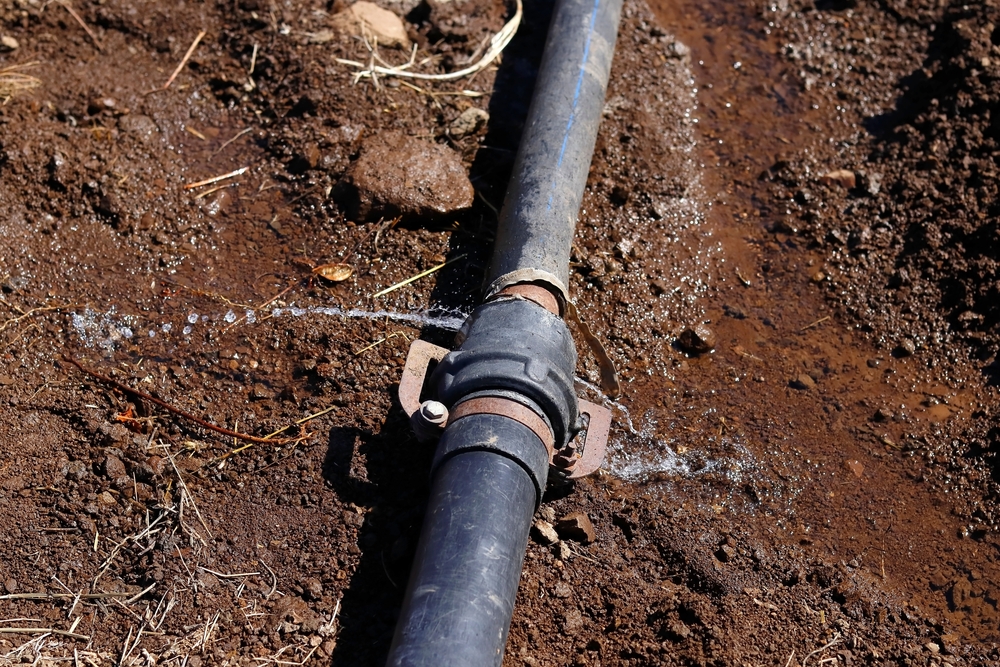
leaky pipes

For a business, plumbing problems are not just inconvenient. They can stop operations, disrupt customers, and create conditions that force temporary closures. Unlike residential systems, commercial plumbing handles higher usage, more complex layouts, and constant demand throughout the day.

When something fails, the impact is immediate. For property owners and facility managers relying on commercial plumbing in Berkeley Heights, NJ, understanding which issues pose the greatest risk can help prevent downtime and maintain steady operations.

Sewer Backups That Interrupt Operations

One of the most disruptive plumbing failures in a commercial setting is a sewer backup. When wastewater cannot exit the building properly, it can quickly affect restrooms, kitchens, and floor drains. This type of issue often develops from grease buildup, foreign debris, or blockages in the main line.

In food service environments, even a partial backup can force areas of the building to close temporarily due to sanitation requirements. According to the U.S. Environmental Protection Agency, grease accumulation is one of the leading causes of sewer line restrictions in high-use facilities, especially where multiple sinks and drains are operating throughout the day.

Water Heater Failures That Affect Daily Operations

Many businesses rely on hot water for cleaning, food preparation, sanitation, or manufacturing processes. When a water heating system fails, it can interrupt essential functions almost immediately. Temperature-sensitive operations may be forced to pause until service is restored.

In some cases, aging systems begin showing signs of strain before full failure occurs, such as inconsistent temperatures or reduced hot water supply. These early warning signs are often addressed through professional commercial plumbing services, which focus on maintaining system reliability under continuous demand.

Pipe Leaks That Damage Property and Equipment

Leaks inside commercial buildings often go unnoticed until visible damage appears. Water can travel through ceilings, walls, and flooring before it becomes obvious, which means the actual source may have been active for some time. Even small leaks can affect inventory, electrical systems, and structural materials.

In busy facilities, pressure fluctuations and constant usage increase the likelihood of wear on joints and fittings. When this occurs, reliable commercial plumbing repair becomes necessary to isolate the issue and restore system integrity before damage spreads further.

Drain Failures in High-Use Areas

Commercial drains handle significantly more volume than residential systems, which makes them more vulnerable to buildup and blockage. Kitchens, restrooms, and utility areas often see constant use throughout the day, which increases the rate at which debris accumulates.

Common causes of commercial drain issues:

  • Grease and oil buildup in kitchen lines
  • Paper and hygiene product blockages in restrooms
  • Sediment buildup in floor drains
  • Improper disposal of foreign materials

When multiple drains begin slowing at once, it can signal a larger issue within the system that may require intervention from an experienced commercial plumber.

Emergency Situations That Require Immediate Response

Some plumbing issues cannot wait for scheduled service. Burst pipes, severe backups, and system-wide failures often require immediate attention to prevent extended downtime. In these situations, emergency commercial plumbing support is essential to stabilize the system and restore basic functionality.

Preventing System Failures Before They Start

Many of the most disruptive plumbing problems begin as small, undetected issues. Regular inspections, maintenance routines, and system monitoring can help identify early signs of wear before they develop into larger failures. Experienced commercial plumbing contractors often evaluate system load, pipe condition, and fixture performance to reduce the likelihood of unexpected breakdowns.

Frequently Asked Questions

What is the most common plumbing issue in commercial buildings?

Drain blockages and sewer backups are among the most common issues due to high system usage and grease buildup.

Can plumbing problems really shut down a business?

Yes. Severe leaks, backups, or water system failures can force temporary closure depending on safety and sanitation requirements.

How often should commercial plumbing be inspected?

Inspection frequency depends on usage, but regular maintenance is recommended to identify issues early.

What should I do if my business experiences a plumbing emergency?

Shut off water sources if possible and contact emergency plumbing services immediately to prevent further damage.

Keeping Business Operations Running Without Interruption

Plumbing reliability plays a direct role in keeping commercial properties operational. Sewer Surgeons provides expert support for complex commercial systems backed by emergency services, fully insured technicians, and 100% guaranteed satisfaction. If your business is experiencing recurring plumbing issues or wants to reduce downtime risk, our team can assess your system and provide solutions tailored to your operational needs. Schedule a consultation today!

Blast Away Clogs with the Power of Water

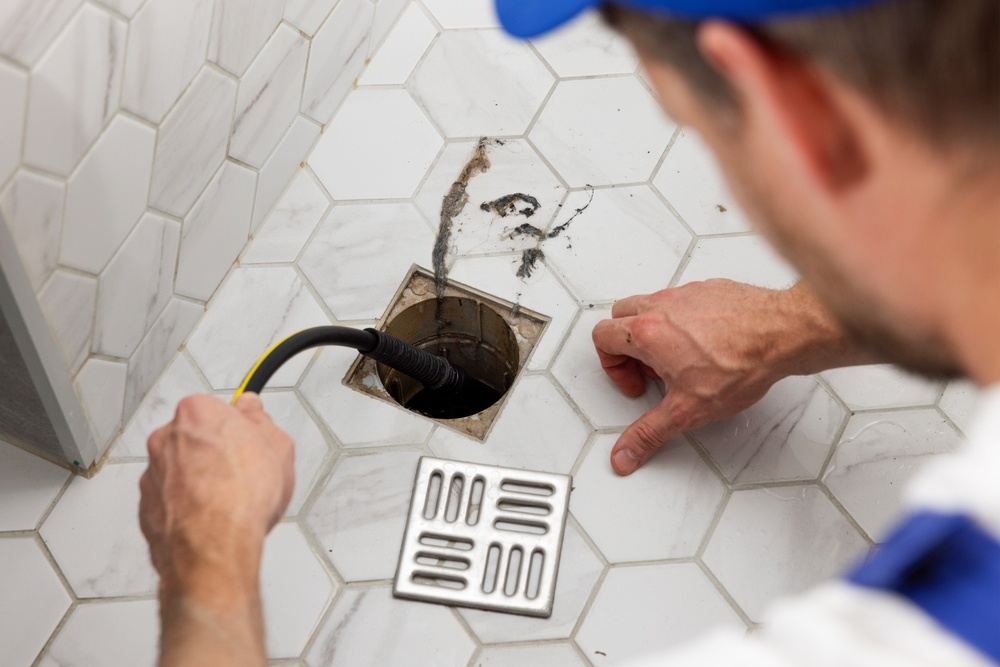
A professional technician performing sewer hydro jetting services

Dealing with recurring drainage problems creates unnecessary stress for homeowners. Traditional plunging and chemical cleaners frequently offer temporary relief, leaving the underlying blockage intact. A permanent solution requires a methods-based approach that targets the root cause of the pipeline restriction. High-pressure water clearing offers a highly efficient, environmentally friendly method to clear out debris completely. Sewer Surgeons provides specialized drain maintenance solutions designed to maximize pipeline flow and longevity. Property owners looking for a definitive resolution to stubborn blockages can rely on professional hydro jetting in Summit, NJ to re-establish optimal plumbing performance.

How Does High Pressure Water Clear Blocked Drains?

The process utilizes specialized equipment to pressurize water between 3,000 and 4,000 pounds per square inch. This pressurized water feeds through a heavy-duty hose equipped with a multi-directional nozzle. The nozzle propels itself forward into the plumbing line, firing high-velocity streams of water backward and forward simultaneously. This forward jet cuts through solid obstructions, while the rear-facing jets scrub the interior pipe walls clean.

Choosing professional hydro jetting services guarantees the removal of accumulated sludge that standard mechanical snakes leave behind. The force of the water shears away grease, soap scum, and scale formations from the inner perimeter of the conduit. This comprehensive scouring returns the pipe to its original interior diameter, which significantly decreases the likelihood of future accumulation.

What Can High Pressure Water Systems Remove From Pipes?

Accumulations inside a sewer lateral consist of various materials that enter the drainage system over years of occupancy. High-pressure water applications effectively clear a wide array of problematic substances:

  • Fats, Oils, and Grease (FOG): These substances enter kitchen drains as liquids but solidify at cool temperatures, creating thick blockages along the pipe floor.
  • Tree Root Intrusions: Fine root hairs find hairline fractures in sewer pipes, growing into massive root balls that trap solid waste. High-pressure water cuts these roots cleanly at the entry point.
  • Mineral Scale: Hard water leaves calcium and magnesium deposits on metal and PVC walls, narrowing the pathway for wastewater.
  • Foreign Objects and Silt: Flushable wipes, dirt, sand, and heavy paper products collect in sagging sections of a pipe, creating dense barriers.

Through specialized sewer hydro jetting, the structural integrity of the line remains protected while solid blockages disintegrate into microscopic particles that flush safely down the municipal sewer system.

Why Is Hydro Jetting Excellent Preventive Maintenance?

Investing in advanced pipe cleaning serves as an excellent defensive strategy for property management. Over time, normal usage builds film layers that catch passing debris. Periodic flushing prevents these thin coatings from transforming into complete blockages. Clean pipes minimize structural strain caused by standing water backpressure. Maintaining clean pipes preserves the integrity of the plumbing infrastructure, extending the operational lifespan of the underground conduits by decades.

Frequently Asked Questions About High Pressure Drain Cleaning

How often should residential sewer lines undergo high-pressure water blasting?

Most residential properties benefit from a comprehensive cleaning every eighteen to twenty-four months. Homes with mature landscaping or older clay pipes may require annual maintenance to manage recurring root growth. Commercial establishments, particularly restaurants and food processing facilities, usually schedule quarterly treatments to manage heavy grease accumulation.

Is high-pressure water cleaning safe for older plumbing systems?

A professional technician conducts a comprehensive closed-circuit television (CCTV) inspection before applying pressurized water. This visual assessment determines the structural stability of the pipeline. If the inspection reveals cast iron or PVC pipes in stable condition, the application is completely safe. Technicians adjust the pressure settings to match the specific structural limits of the material.

What signs indicate that a main sewer line requires a hydro jetting service?

Property owners should watch for multiple slow drains throughout the house, gurgling noises coming from toilets, or foul odors emanating from floor drains. Frequent sewer backups in basement fixtures indicate a severe restriction in the main lateral line that requires immediate high-pressure water clearing.

Contact Our Specialized Team Today

Maintaining a clear drainage system requires specialized expertise and heavy-duty equipment. Sewer Surgeons deliver exceptional results using advanced plumbing technology operated by highly trained technicians. Our team provides transparent, upfront pricing models so property owners know exactly what to expect before any work begins. We utilize state-of-the-art diagnostic cameras to verify the cleanliness of the lines post-treatment. Schedule an appointment today to secure a long-term solution for your home plumbing infrastructure.

Repiping FAQs You Won’t Find on a Contractor’s Sales Page

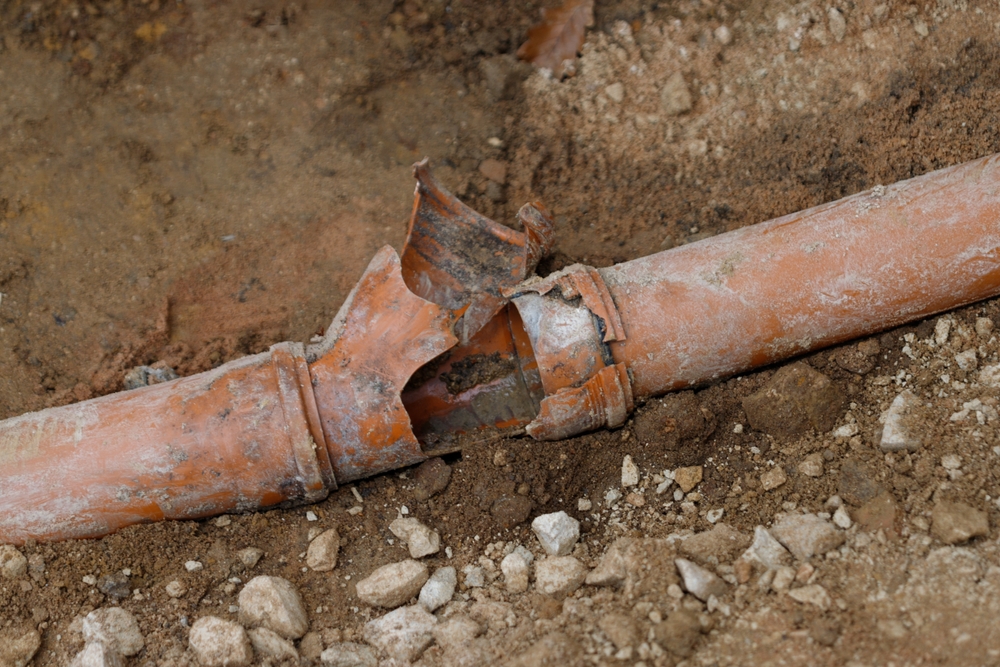
damaged pipe lines

Repiping is one of those home projects that sounds straightforward until you start thinking about what it actually involves inside your walls, floors, and yard. Most contractor pages focus on materials, timelines, and pricing, but homeowners usually have a different set of concerns that rarely get addressed directly.

When considering repiping services in Westfield, NJ, it helps to understand the real-world questions that come up once work begins, especially when the home is still occupied and daily routines continue around the project.

Will My Landscaping Be Damaged During Repiping?

This is one of the most common concerns, especially for homeowners with established lawns, gardens, or hardscape features. In many cases, access points are carefully planned to minimize disruption to outdoor areas, but some level of soil disturbance is typically necessary when pipes run beneath yards. The extent of impact depends on the layout of the existing system and whether interior access points can be used for parts of the work. With experienced repiping contractors, trenching is usually targeted rather than widespread, which helps reduce unnecessary disruption to outdoor spaces.

Can I Stay in My Home While Repiping Is Happening?

In most situations, homeowners remain in the home during whole house repiping projects. Water service may be temporarily shut off during certain stages of the work, but crews typically plan these interruptions to limit disruption. Daily routines such as sleeping, cooking, and working from home can usually continue, although there may be periods where water access is limited. The level of convenience depends on the size of the home, the number of plumbing fixtures, and how the repiping sequence is staged by the team handling the work.

What Happens If I Have Pets During the Project?

Pets are an important consideration that often gets overlooked in standard project explanations. Noise from cutting, drilling, and pipe removal can be stressful for animals, especially in smaller homes where work areas are close to living spaces. Homeowners often choose to keep pets in a separate room or temporary boarding situation during more active phases of the project. Experienced repiping experts are typically aware of these concerns and can help plan work schedules that reduce disruption where possible.

How Long Does Repiping Actually Take?

The timeline varies based on the size of the home, the accessibility of existing plumbing, and whether additional issues are discovered during the process. Smaller homes may take only a few days, while larger properties can take longer depending on complexity. The condition of the original piping system also plays a role, especially if corrosion or previous repairs complicate the removal and installation process. In urgent situations involving deteriorating systems, emergency repiping may be prioritized to restore safe and reliable water access as quickly as possible.

Will I Need to Replace Drywall and Flooring?

Some level of interior access is often required when pipes run through walls or under floors. This can involve small openings that are later repaired once installation is complete. The extent of interior work depends on how the original plumbing was routed and whether alternative access points exist. In some cases, strategic planning by a qualified repiping company can reduce the amount of surface repair needed after installation, but minor restoration work is typically part of the overall process.

What Causes a Home to Need Repiping in the First Place?

Most repiping projects are driven by aging materials, recurring leaks, or declining water quality caused by corrosion inside older pipes. Over time, materials like galvanized steel or aging copper can develop internal buildup that restricts flow and weakens pipe integrity. When these issues become widespread throughout the system, targeted repairs are often no longer sufficient, and full pipe replacement becomes the more practical long-term solution.

Frequently Asked Questions

Will my landscaping be damaged during repiping?

Targeted routing and interior-first access points usually limit lawn disruption, though minor yard work may be required for outdoor connections.

Can I stay in my home while repiping is happening?

Yes. Water shutoffs are organized dynamically to minimize impact on your daily sleep, work, and cooking routines.

What happens if I have pets during the project?

Noise from pipe installation can disturb pets; keeping them in a designated quiet zone or daytime care is highly recommended.

How long does repiping actually take?

Timelines depend on home size and setup layout. Minor structures require a few days, while comprehensive overhauls naturally take longer.

Will I need to replace drywall and flooring?

Some small drywall wall cuts are typically required to thread your new lines, but structural repair efforts are finalized post-installation.

What causes a home to need repiping in the first place?

It is driven by mineral corrosion, scale accumulation inside galvanized pipes, drops in water pressure, or recurring slab leaks.

A Clearer Understanding of What Repiping Really Involves

Repiping is not only about replacing old pipes; it is also about managing the realities of living in a home while that work is underway. Sewer Surgeons provides solutions backed by emergency services, fully insured technicians, and 100% guaranteed satisfaction, helping homeowners move through the process with clarity and support. If you are considering repiping services in your home, our team can walk you through what to expect and help determine the most practical approach for your property. Contact us today for a consultation!

Sewer Pipe Micro Cleaning: How It Differs From Regular Drain Cleaning

sewer pipe lines

Not all pipe cleaning methods are designed for the same level of buildup or the same part of the plumbing system. Many homeowners assume drain cleaning and sewer cleaning are interchangeable, but they actually target different conditions inside the system. Sewer pipe micro cleaning is a more precise method focused on removing thin layers of buildup, sludge, and early-stage obstructions inside the main sewer line.

For property owners in need of sewer pipe micro cleaning in South Orange, NJ, understanding how this process differs from standard service helps explain why some recurring issues require a more detailed approach than basic clearing.

What Regular Drain Cleaning Is Designed To Do

Standard drain cleaning typically focuses on removing immediate blockages inside individual fixture lines such as sinks, tubs, or showers. These blockages are often caused by hair, soap residue, food particles, or grease that accumulates near the point of use. The goal is to restore flow by clearing the obstruction so water can move through the pipe again. In many cases, this type of service addresses surface-level buildup without evaluating the deeper condition of the system. While effective for isolated issues, it does not always address buildup further down the line where recurring problems often originate.

What Makes Sewer Pipe Micro Cleaning Different

Sewer pipe micro cleaning targets a much larger and more complex section of the plumbing system. Instead of focusing on a single blockage, it addresses the thin layers of buildup that form along the interior walls of the main sewer line. These layers often include grease films, sediment, and organic material that gradually reduce pipe diameter over time.

What micro cleaning is designed to remove:

  • Thin grease and sludge layers
  • Early-stage mineral buildup
  • Light organic accumulation
  • Residue left after previous cleanings

This type of cleaning is often part of broader micro sewer cleaning strategies used to maintain flow before more serious blockages form.

Why Sewer Lines Need a Different Approach

Sewer lines carry all wastewater from a property, meaning they accumulate a wider range of materials than individual drains. Over time, this combination of grease, soap residue, and organic waste creates layered buildup that behaves differently from a simple clog. According to the U.S. Environmental Protection Agency, grease accumulation is one of the most common contributors to sewer line restrictions in residential systems. Because of this, sewer line cleaning often requires more than just removing a single obstruction. It involves addressing buildup along extended sections of pipe where flow restriction develops gradually rather than suddenly.

The Role of Precision Cleaning in Long-Term Maintenance

Micro cleaning is often used as part of routine sewer line maintenance to prevent buildup from reaching a level where full blockage occurs. By removing early-stage deposits, the pipe retains more of its original diameter and flow capacity. This helps reduce strain on the system and limits the conditions that lead to recurring backups. In systems that receive regular service, this approach can also reduce the frequency of emergency interventions by addressing buildup before it becomes compacted or hardened.

How Sewer Pipe Cleaning Evolves With Severity

As buildup progresses, cleaning methods often need to become more intensive. Light residue may respond well to micro cleaning, while heavier obstructions may require more aggressive sewer pipe cleaning techniques. In more advanced cases, debris may extend deeper into the system and require full-scale sewer cleaning to restore proper function. The key difference is not just the tool used but also the condition of the pipe itself and how far the buildup has progressed.

When Micro Cleaning Is the Right Fit

Micro cleaning is typically most effective when:

  • Drains are slowing but not fully blocked
  • Buildup is suspected in the main sewer line
  • Previous cleanings have provided only temporary relief
  • Early signs of restriction are present in multiple fixtures

It is often used as a preventative approach rather than a reactive one, focusing on maintaining system performance before more serious issues develop.

Frequently Asked Questions

Is micro cleaning the same as drain snaking?

No. Snaking clears a blockage, while micro cleaning removes thin layers of buildup along pipe walls.

How often should sewer lines be micro cleaned?

Frequency depends on usage, pipe condition, and buildup levels, but it is often used as part of routine maintenance.

Does micro cleaning remove full blockages?

Not typically. It is designed for early-stage buildup rather than severe obstructions.

Can micro cleaning prevent sewer backups?

Sewer cleaning services can reduce buildup that contributes to backups, but they do not repair structural pipe issues.

A More Precise Approach to Sewer Care

Sewer systems require different levels of care depending on how buildup develops over time. Sewer Surgeons provides advanced cleaning and diagnostic solutions backed by emergency services, fully insured technicians, and 100% guaranteed satisfaction. If your system is showing early signs of restriction, targeted cleaning can help maintain performance and reduce the likelihood of recurring issues. Contact us today to schedule an appointment!

Don’t Let a Clogged Drain Ruin Your Day

A clogged drain can interrupt your routine quickly, creating slow water flow, unpleasant odors, and frustration around your property. Small drainage issues often become bigger concerns when they are ignored for too long. Sewer Surgeons provides dependable solutions for homeowners who need professional drain cleaning in Chatham, NJ, with practical service focused on identifying problems and keeping plumbing systems moving properly.

Why Do Drains Get Clogged So Easily?

Drains handle a constant flow of water, waste, and everyday materials. Over time, buildup can restrict the space inside pipes and make normal drainage more difficult. Many clogs develop from common household habits, such as allowing grease, food particles, hair, soap residue, and other debris to enter the plumbing system.

Some warning signs of a developing clog include:

  • Water draining slower than usual from sinks, tubs, or showers
  • Gurgling sounds coming from pipes or fixtures
  • Foul smells near drains
  • Water backing up in unexpected areas
  • Frequent need for temporary fixes

A small blockage may seem manageable, but repeated issues can point to a larger problem within the plumbing system. Professional evaluation helps identify whether the cause is a simple obstruction or a deeper issue affecting your pipes.

How Can Professional Drain Cleaning Help Prevent Bigger Problems?

Professional drain cleaning services are designed to remove buildup that basic household methods may not fully address. Store-bought solutions can provide temporary relief, but they may not reach the source of recurring drainage problems. Proper cleaning methods target the material restricting water flow and help improve overall pipe performance.

Sewer Surgeons use professional techniques to address drainage concerns with attention to the condition of your plumbing system. A thorough approach can help locate trouble areas, clear stubborn blockages, and reduce the chance of repeated backups.

Regular maintenance can also support healthier plumbing by removing accumulated debris before it creates major disruptions. Homeowners who schedule service before a serious backup occurs often have a better opportunity to avoid emergency repairs and unexpected damage.

What Causes Recurring Drain Problems?

A drain that repeatedly clogs may have an underlying issue beyond surface-level buildup. Several factors can contribute to ongoing drainage trouble, including aging pipes, tree root intrusion, damaged lines, and improper disposal of materials.

Common causes of recurring clogs include:

  • Excess grease or oil entering kitchen drains
  • Hair collecting inside bathroom pipes
  • Mineral deposits narrowing pipe openings
  • Roots growing into underground sewer lines
  • Structural damage affecting water movement

A professional inspection can provide a clearer picture of what is happening inside your plumbing system. Addressing the actual cause helps prevent repeated disruptions and supports long-term system performance.

When Should You Call for Professional Sewer Cleaning?

Some drainage problems require more than a basic clearing method. Slow drains throughout the property, repeated backups, or unusual pipe noises may indicate that your sewer line needs attention. Professional sewer cleaning helps remove buildup and obstructions that affect the main drainage system.

Sewer Surgeons offers solutions for homeowners facing persistent drainage challenges. Their team focuses on finding the source of the issue and recommending service options based on the condition of the plumbing. Taking action when problems first appear can help limit damage and reduce the chance of more costly repairs.

How Do You Choose the Right Drain Service Provider?

Selecting a plumbing company involves more than finding a quick fix. Experience, proper equipment, and a clear understanding of drainage systems all matter when dealing with clogged pipes.

A reliable provider should offer:

  • Clear explanations about the cause of the problem
  • Professional tools for accurate diagnosis and repair
  • Service recommendations based on actual plumbing conditions
  • Skilled technicians who treat your property with care

Sewer Surgeons delivers trusted drain & sewer services designed around real plumbing needs. Each service call begins with understanding the issue, evaluating the system, and providing a solution that fits the situation.

Frequently Asked Questions About Clogged Drains

How can I tell if my drain clog is serious?

A clog may require professional attention when water backups occur, multiple fixtures drain slowly, or unpleasant odors continue after basic cleaning attempts. These signs can point to problems deeper within the plumbing system.

How often should drains be professionally cleaned?

The ideal schedule depends on household usage, pipe condition, and past drainage problems. Properties with frequent clogs or older plumbing systems may benefit from regular maintenance.

Can a clogged drain damage my plumbing system?

Yes. Long-term blockages can increase pressure inside pipes and contribute to leaks, backups, or other plumbing complications. Addressing drainage issues early can help protect the system from unnecessary strain.

Keep Your Plumbing Moving With Professional Support

A clogged drain does not have to control your schedule or create ongoing stress around your property. Sewer Surgeons provides experienced service, professional solutions, and dependable support for drainage concerns of all sizes. Contact the team when you need help addressing blockages, improving pipe performance, or maintaining a healthier plumbing system.

Sewer Line Concerns: Why Your Neighbors’ Problems Might Be Yours Too

sewer lines

Sewer issues rarely stay isolated to a single property for long. In many neighborhoods, especially those with aging infrastructure or shared soil conditions, one home experiencing backups or pipe damage can be an early warning sign for surrounding homes. This is because sewer systems often run through the same soil corridors, tree root networks, and utility pathways.

For homeowners considering sewer line repair in Millburn, NJ, understanding how neighborhood-wide conditions affect individual properties can help explain why problems sometimes appear “out of nowhere” even when nothing has changed inside the home.

Shared Infrastructure Means Shared Risk

Even though each home has its own lateral sewer connection, those lines eventually tie into a shared municipal system. When the main lines in a neighborhood begin to age, corrode, or shift due to soil movement, multiple properties can feel the effects at the same time. According to the U.S. Environmental Protection Agency, aging sewer infrastructure is one of the most common contributors to service disruptions in residential areas across the country.

If a main line becomes partially blocked or structurally compromised, pressure changes and flow restrictions can ripple outward into connected lateral lines. This is why multiple homes on the same street may report similar issues within a short timeframe, often leading to broader sewer system repair discussions at both the municipal and residential levels.

Tree Roots Do Not Respect Property Lines

One of the most common shared causes of sewer problems is tree root intrusion. Roots naturally seek out moisture and can extend far beyond the tree’s visible canopy, crossing property boundaries underground. If one property has a compromised pipe joint or small crack, roots can enter and expand, eventually spreading along the shared underground environment.

Common signs of root-related sewer issues:

  • Repeated backups across multiple nearby homes
  • Slow drainage in different properties on the same block
  • Gurgling sounds from drains during heavy water use
  • Recurring blockages in similar pipe sections

When this happens, individual fixes like localized sewer pipe repair may provide temporary relief, but without addressing the broader root network or damaged sections, problems can continue to reappear.

Soil Conditions Affect Entire Streets at Once

Soil movement is another factor that impacts multiple homes simultaneously. Expansive clay soils, erosion, and seasonal moisture changes can shift underground pipes over time. When the soil bed supporting a sewer line becomes unstable, pipes can sag, separate at joints, or develop cracks.

These conditions often require a detailed sewer line inspection to determine whether the issue is localized or part of a wider pattern affecting multiple properties in the area. In some cases, what appears to be an isolated blockage is actually part of a larger structural shift beneath the neighborhood.

When One Problem Becomes an Emergency Situation

If multiple homes begin experiencing backups or sewer odors at the same time, it may indicate a more urgent system failure developing in the main line. In these situations, rapid response is critical to prevent further damage or overflow conditions. This is where emergency sewer line repair becomes necessary to stabilize the system and restore proper flow.

The challenge is that early signs often appear minor before escalating. Slow drains, occasional gurgling, or intermittent backups may not seem connected at first, but patterns across multiple properties can point to a shared underlying issue.

Why Trenchless Solutions Are Often Considered

When neighborhood-wide sewer problems occur, excavation across multiple properties is not always practical or necessary. Trenchless methods allow technicians to access and repair damaged sections without widespread digging. Modern trenchless sewer repair techniques can restore structural integrity while minimizing disruption to landscaping, driveways, and shared spaces.

This approach is often used when damage is localized within specific pipe segments but influenced by broader environmental conditions.

When Localized Repair Still Matters

Even when neighborhood factors are involved, each property still requires its own evaluation. Individual sewer line services help determine whether the issue originates in a home’s lateral connection or stems from a shared municipal problem. Addressing only the neighborhood-level issue without fixing the private connection can still leave homeowners vulnerable to recurring disruptions.

Frequently Asked Questions

Can my sewer line be affected if my neighbor has problems?

Yes. Shared soil conditions, tree roots, and aging infrastructure can affect multiple homes in the same area.

How do I know if it’s my line or the city’s sewer main?

A sewer line inspection is typically needed to determine whether the issue is on private property or within the municipal system.

Do sewer problems usually spread between homes?

They do not physically spread, but shared environmental and infrastructure conditions can cause similar issues across multiple properties.

What is the fastest way to confirm a sewer issue?

Professional inspection using camera equipment is the most reliable method to identify blockages or structural damage.

When Neighborhood Clues Should Not Be Ignored

Sewer problems often follow patterns that extend beyond a single property, especially in areas with older infrastructure or shared underground conditions. Sewer Surgeons provides expert diagnostics and repair solutions backed by emergency services, fully insured technicians, and 100% guaranteed satisfaction. If your neighbors are experiencing sewer issues, it may be worth evaluating your own system before small warning signs turn into service disruptions. Get in touch with us today!

The Role of Bacteria in Drain Health: Good vs. Bad Microbes

drains

Most homeowners hear the word “bacteria” and assume it is always a problem, especially when it comes to plumbing systems. The reality is more nuanced. Drains naturally contain microbial life that plays a role in breaking down organic material moving through the pipes. Some bacteria help reduce buildup, while others contribute to foul odors, slime layers, and persistent blockages.

Understanding the difference matters for homeowners in need of drain cleaning in Summit, NJ, especially when slow drainage or odors keep returning even after service.

How Bacteria Naturally Develop in Drain Systems

Every drain system creates a small ecosystem. Food particles, soap residue, grease, and organic waste provide a steady source of nutrients for microbial growth. Over time, bacteria colonize the interior walls of pipes, forming what is often called biofilm. According to the U.S. Environmental Protection Agency, biofilm formation is a common occurrence in water and wastewater systems and can influence flow efficiency and odor levels when left unmanaged. In controlled amounts, some bacterial activity helps break down organic material before it accumulates. However, when conditions favor unchecked growth, the balance shifts and problems begin to appear inside the plumbing system.

The Difference Between Helpful and Harmful Microbial Growth

Not all bacteria behave the same way inside a drain line. Some strains contribute to gradual decomposition of organic matter, while others accelerate the formation of thick, sticky layers that trap debris.

Common effects of bacterial imbalance:

  • Formation of slimy biofilm on pipe walls
  • Unpleasant odors coming from drains
  • Faster accumulation of grease and debris
  • Increased frequency of blockages

When this imbalance occurs, it often leads homeowners to seek professional drain cleaning services, especially when symptoms return shortly after a previous clearing.

How Biofilm Contributes to Clogged Drains

Biofilm acts like a sticky foundation that captures everything moving through the pipe. Hair, grease, soap scum, and food particles adhere more easily to these surfaces, gradually narrowing the drain diameter. This is one reason a system can appear clear after service but still experience recurring issues weeks or months later. In residential systems, this buildup is often most noticeable in kitchen and bathroom lines, where organic material is consistently introduced. Over time, what begins as a thin microbial layer can evolve into a dense coating that contributes directly to clogged drains.

When Bacteria Becomes a Drain Performance Issue

Excess microbial growth is often a symptom of underlying conditions rather than the root problem itself. Slow-moving water, trapped debris, and inconsistent flow patterns create an environment where bacteria can thrive. Temperature also plays a role, with warmer pipes generally supporting faster microbial activity. In these situations, routine cleaning may not be enough on its own. A more thorough evaluation through comprehensive drain & sewer services can help identify whether buildup, structural issues, or recurring blockages are contributing to the problem.

Why Residential Systems See Recurring Growth

Homes with frequent cooking activity, older piping, or limited maintenance cycles often see faster biofilm development. Even small amounts of grease or soap residue can create a surface where bacteria attach and multiply. Once established, these layers can be difficult to fully remove without targeted cleaning methods. This is why residential drain clearing often involves more than clearing a single blockage. It may require addressing the conditions inside the pipe that allow microbial buildup to return.

Managing Drain Health Over Time

Maintaining balanced drain conditions is less about eliminating all bacteria and more about controlling buildup sources. Regular drain services help reduce the accumulation of organic material that feeds microbial growth. Over time, this helps maintain better flow conditions and reduces the likelihood of recurring issues.

Frequently Asked Questions

Are bacteria in drains always harmful?

No. Some bacteria help break down organic material, but imbalanced growth can lead to buildup and odors.

What causes bad smells in drains?

Odors are often caused by anaerobic bacteria breaking down trapped organic material in low-oxygen conditions.

Can bacteria cause clogged drains?

Yes. Biofilm can trap grease, hair, and debris, contributing to blockages over time.

How do professionals address bacterial buildup?

Cleaning methods remove both debris and biofilm layers to restore more consistent flow conditions.

Keeping Drain Systems Balanced and Functional

Drain health depends on more than just clearing blockages. It requires managing the conditions that allow buildup and microbial growth to develop inside the system. Sewer Surgeons provides expert diagnostics and cleaning solutions backed by emergency services, fully insured technicians, and 100% guaranteed satisfaction. If recurring odors or slow drainage are affecting your system, our team can assess the cause and deliver targeted solutions that restore reliable performance. Contact us today to schedule an appointment!

Sump Pump Short-Cycling: Why Turning On and Off is a Death Sentence

Sump pumps

A sump pump that keeps turning on and off in short bursts is not behaving normally, and it is not something that will usually correct itself over time. Short-cycling puts constant stress on the motor, creates unnecessary heat buildup, and accelerates wear on internal components. In many cases, homeowners only notice the problem once the system starts making unusual noises or fails during heavy rainfall.

For properties relying on sump pumps in Chatham Township, NJ, understanding why this happens is important because short cycling often points to an underlying installation or mechanical issue that needs attention rather than a simple reset.

What Short-Cycling Is Really Doing to the Motor

A sump pump is designed to run in controlled cycles, moving water out of a basin and shutting off once the water level drops. When the system repeatedly turns on and off within short intervals, the motor never gets a chance to stabilize at normal operating temperature. That repeated start-stop pattern creates heat spikes inside the motor windings, which is one of the fastest ways to reduce the lifespan of the pump.

According to the U.S. Department of Energy, electric motors experience the most strain during startup, when electrical demand is highest and mechanical components are under maximum load. When that startup phase happens repeatedly in rapid succession, the stress compounds quickly and can lead to premature failure.

The Two Most Common Causes Behind Short-Cycling

Short-cycling usually traces back to one of two core issues: incorrect system sizing or mechanical failure in the float switch. Both problems affect how the pump “reads” water levels and responds to them, which is why the system behaves unpredictably.

Key causes of sump pump short-cycling:

  • An undersized or oversized sump basin for the pump capacity
  • A float switch that is stuck, misaligned, or overly sensitive
  • Rapid water inflow combined with poor basin design
  • Debris interfering with float movement

When these issues occur, homeowners often assume they need specialized sump pump repair, but in many cases the root cause is tied to how the system was originally configured.

Why Basin Size Matters More Than Most People Realize

The sump basin acts as the control environment for the entire system. If it is too small, water levels rise and fall too quickly, forcing the pump to activate in rapid bursts. If it is too large but paired with an improperly calibrated float switch, the pump may still cycle inefficiently because it is responding to inconsistent water level readings.

This imbalance creates a situation where the pump is constantly reacting rather than operating on a stable cycle. Over time, that instability is what leads to overheating and mechanical breakdown, often requiring full sump pump replacement rather than a simple adjustment.

Float Switch Problems and False Signals

The float switch is responsible for telling the pump when to turn on and off. When it becomes stuck, partially obstructed, or poorly adjusted, it can send false “on” signals even when water levels do not require pumping. That leads to unnecessary activation cycles that wear down internal components.

In some cases, the float may also be positioned too close to the pump intake, causing turbulence in the basin that triggers premature activation. These issues are often identified during professional sump pump services, especially when systems have not been inspected in several years.

Why Short-Cycling Leads to Overheating

Each time a sump pump starts, it draws a surge of electrical current and generates heat within the motor housing. Under normal conditions, the pump has enough runtime between cycles to dissipate that heat. Short cycling removes that recovery period entirely.

As heat builds, insulation inside the motor begins to degrade, bearings wear more quickly, and internal components lose efficiency. Eventually, the pump may stop responding altogether during the exact moment it is needed most.

When Maintenance Is No Longer Enough

Routine sump pump maintenance can prevent many issues, especially when debris buildup or minor float misalignment is involved. However, once short-cycling becomes frequent, it often indicates a deeper system imbalance rather than routine wear. At that point, inspection is needed to determine whether recalibration, component replacement, or a completely new sump pump installation is the most appropriate solution.

Frequently Asked Questions

Why does my sump pump turn on every few seconds?

This usually happens when the float switch is stuck or when the basin is too small for the pump’s capacity, causing rapid water level changes.

Can short-cycling damage a sump pump?

Yes. Repeated startup cycles generate excess heat and mechanical stress that can shorten motor lifespan significantly.

Do I need a new sump pump if it short-cycles?

Not always. Some issues can be corrected through adjustment or repair, but severe cases may require replacement.

Can debris cause short-cycling?

Yes. Debris can interfere with float movement or water flow, leading to false activation signals.

A System That Cycles Properly Protects the Whole Property

Sump pump performance depends on the balance between basin size, float control, and motor capacity. When that balance is disrupted, short-cycling becomes a warning sign that the system is under stress. Sewer Surgeons provides expert evaluation and repair solutions backed by emergency services, fully insured technicians, and 100% guaranteed satisfaction. If your sump pump is cycling too often or showing signs of strain, our team can diagnose the issue and restore proper system function before failure occurs. Contact us today to schedule a service!

Sewer Line Myths a Camera Inspection Can Bust

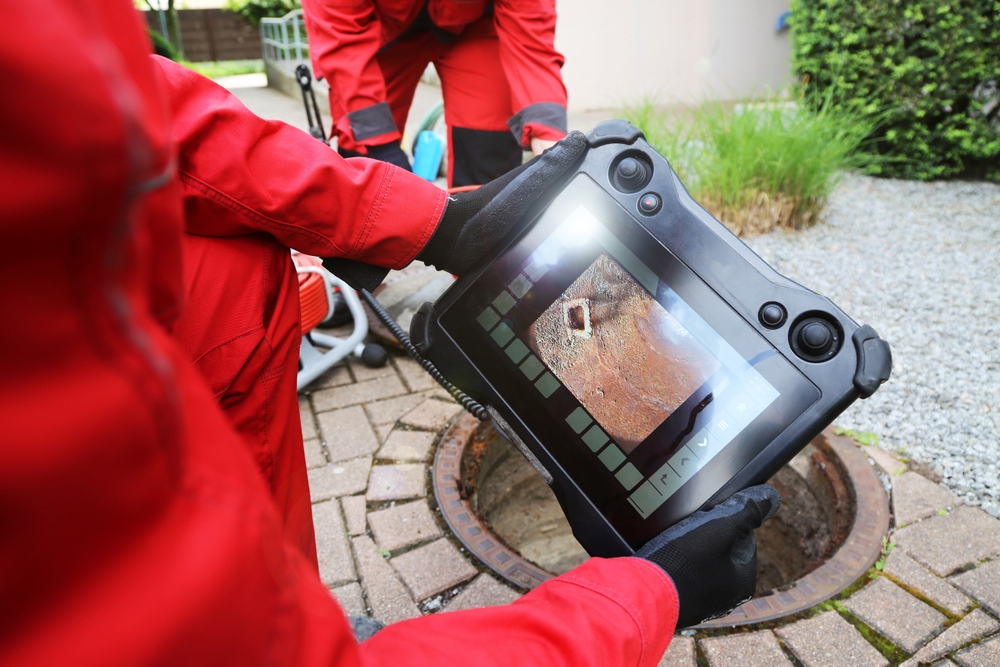
sewer video feed

Sewer problems often come with a lot of assumptions. Homeowners may believe a recurring backup automatically means a collapsed pipe or that an older sewer line must be replaced simply because of its age. The reality is that many sewer decisions are made based on symptoms rather than direct evidence. Modern camera technology allows technicians to see the inside of a sewer line and identify what is actually happening beneath the property.

At Sewer Surgeons, we frequently use advanced inspection equipment to help property owners separate fact from fiction. If you’re researching sewer video inspection in Berkeley Heights, NJ, understanding the myths that camera inspections can eliminate may help you make more informed decisions.

Myth #1: Every Sewer Backup Means the Pipe Has Failed

A sewer backup can certainly indicate a serious issue, but it does not automatically mean the pipe has collapsed.

Many backups are caused by:

  • Grease accumulation
  • Root intrusion
  • Debris buildup
  • Offset joints
  • Localized blockages

A professional sewer camera inspection allows technicians to determine the actual cause before recommending a solution.

Myth #2: Older Sewer Lines Always Need Replacement

Age alone does not determine the condition of a sewer pipe. Many older lines continue functioning effectively, while some newer systems develop issues much sooner due to installation conditions, soil movement, or root intrusion. A detailed sewer line inspection provides information about the pipe’s current condition rather than relying on assumptions about age.

Myth #3: The Problem Is Always Near the Drain

Homeowners often assume a slow sink, toilet, or shower indicates a nearby blockage. In reality, restrictions may develop much farther down the system. A sewer pipe video inspection helps trace the entire path of the line and locate the source of the problem with greater accuracy.

Myth #4: Digging Is the Only Way to Find the Issue

Before camera technology became widely available, excavation was often necessary to investigate sewer concerns. Today, many sewer camera services allow technicians to evaluate underground piping without extensive digging or disruption.

Myth #5: Sewer Lines Look the Same Throughout

Conditions can vary dramatically from one section of pipe to another. A sewer line camera inspection often reveals areas with root intrusion, corrosion, offsets, or buildup that are not present throughout the entire system.

Myth #6: Any Contractor Can Accurately Diagnose a Sewer Problem

The quality of a diagnosis often depends on the equipment, experience, and interpretation of the findings. Experienced sewer inspection contractors understand how to evaluate pipe conditions and distinguish between isolated concerns and broader infrastructure problems.

Myth #7: Camera Inspections Are Only for Active Problems

Many property owners schedule inspections only after experiencing a backup. A video sewer line inspection can also be useful during property purchases, remodeling projects, or preventative maintenance planning.

Myth #8: If Water Drains, Everything Is Fine

A sewer line can continue functioning even when deterioration, root intrusion, or structural defects are present. A professional sewer pipe inspection may reveal developing conditions long before they create visible symptoms inside the home.

What a Camera Inspection Actually Shows

Modern sewer cameras provide valuable information about:

  • Pipe material
  • Root intrusion
  • Cracks and fractures
  • Corrosion
  • Blockages
  • Joint separations
  • Pipe offsets
  • General pipe condition

This visual information helps support more informed recommendations and repair decisions.

Frequently Asked Questions

How does a sewer camera inspection work?

A specialized waterproof camera is inserted into the sewer line to capture real-time video of the pipe’s interior.

Can a camera inspection locate tree roots?

Yes. Camera equipment can often identify root intrusion and determine the extent of the problem.

Does a sewer camera inspection require digging?

In many cases, no. The camera is typically inserted through an existing access point or cleanout.

How long does a sewer inspection take?

The timeframe depends on the length and condition of the sewer line, but many inspections can be completed within a few hours.

Accurate information is one of the most valuable tools in sewer diagnostics. Sewer Surgeons is a third-generation family-owned company with more than three decades of experience serving residential and commercial customers. We specialize in trenchless sewer and water pipe repair and relining solutions while also providing excavation services when needed. Available 24/7, our team helps property owners understand what is happening inside their sewer systems before major repair decisions are made. Contact us today to schedule an appointment!

How Hydro Jetting Restores Flow in Aging Cast Iron Pipes

hydro jetting equipment

Many older New Jersey homes still rely on cast iron drain and sewer pipes that have been in service for decades. While cast iron is durable, age and corrosion can gradually reduce the pipe’s ability to carry wastewater efficiently. One of the most common issues is tuberculation, a condition where rust deposits form rough, raised bumps along the interior pipe walls. These deposits catch debris, restrict flow, and contribute to recurring clogs.

At Sewer Surgeons, we often help homeowners evaluate options before considering extensive pipe work. If you’re researching hydro jetting in Westfield, NJ, understanding how this process addresses aging cast iron pipes can help you better understand your system’s condition and available solutions.

What Is Tuberculation?

Tuberculation occurs when corrosion inside cast iron pipes creates hard mineral and rust deposits that protrude into the pipe’s interior. Over time, these rough surfaces narrow the pipe opening and make it easier for grease, soap residue, and debris to become trapped.

Common signs of tuberculation include:

  • Recurring drain clogs
  • Slow drainage
  • Frequent backups
  • Gurgling sounds
  • Foul odors from drains

Why Traditional Cleaning Has Limitations

Basic drain snaking can often create a temporary opening through a blockage, but it may leave much of the accumulated buildup attached to the pipe wall. Professional hydro jetting services use pressurized water to clean a much larger portion of the pipe’s interior surface.

How High-Pressure Water Removes Buildup

Hydro jetting uses specialized equipment that directs water through the pipe at very high pressure. The force of the water helps break apart grease, sludge, debris, and many of the corrosion-related deposits that contribute to flow restrictions. This process can significantly improve the usable interior diameter of aging pipes.

Restoring Capacity Without Immediate Replacement

Not every aging cast iron pipe requires immediate replacement. The condition of the pipe itself plays a major role in determining available options. In some situations, sewer hydro jetting helps restore carrying capacity by removing accumulated material that has built up over many years.

The Importance of Camera Inspections

Before cleaning begins, technicians often inspect the pipe to evaluate its structural condition. A professional hydro jetting service frequently includes camera diagnostics that help determine whether the pipe can safely undergo the cleaning process.

Why Pressure Matters

The effectiveness of the cleaning depends on using the appropriate equipment and pressure settings for the pipe’s condition. Professional high-pressure hydro jetting is carefully controlled to target buildup while accounting for the age and integrity of the system.

Choosing Experienced Professionals

Cast iron systems require a thoughtful approach because every pipe ages differently. Experienced hydro jetting contractors understand how corrosion patterns, pipe thickness, and existing defects influence the cleaning strategy.

When Immediate Action Is Needed

Severe backups can create sanitation concerns and interfere with normal household activities. In those situations, emergency hydro jetting may be used to address significant blockages and restore drainage as quickly as possible.

Frequently Asked Questions

What is tuberculation in cast iron pipes?

Tuberculation is the buildup of rust and mineral deposits that form raised bumps inside aging cast iron pipes.

Can hydro jetting remove rust buildup?

Hydro jetting can help remove many deposits, debris accumulations, and corrosion-related obstructions that restrict flow.

Is hydro jetting safe for older cast iron pipes?

A camera inspection is typically used to evaluate pipe condition before determining whether hydro jetting is appropriate.

Does hydro jetting always eliminate the need for replacement?

No. Some pipes may have structural deterioration that requires repair or replacement, but hydro jetting can often improve flow when the pipe remains structurally serviceable.

Aging cast iron pipes do not always require immediate excavation or replacement when drainage problems appear. Sewer Surgeons is a third-generation family-owned company with more than three decades of experience serving residential and commercial customers. We specialize in trenchless sewer and water pipe repair and relining solutions while also providing excavation services when needed. Available 24/7, our team helps property owners evaluate their sewer systems and identify practical solutions based on the condition of the existing infrastructure.