
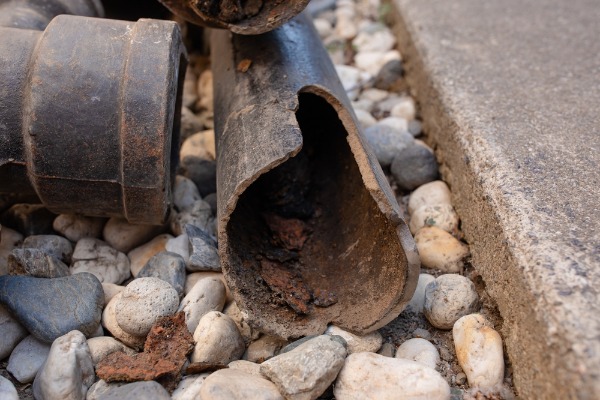
Cast iron pipes earned their reputation for a reason. They are thick, heavy, and known for their durability compared with many other materials used in older home plumbing systems. But even the toughest metal breaks down eventually, and homes with pipes installed in the 1960s, 70s, or earlier are now sitting right at that fifty-year mark.
If your drains have slowed down, your yard smells off, or there’s a soggy patch near the foundation, the pipe’s age might be the real story behind those symptoms. Sewer Surgeons have walked plenty of Morristown and Summit homeowners through this exact question, and the answer looks different for every house.
Below, we’ll cover what happens to cast iron over five decades, the signs worth watching for, and how to know if sewer line repair in Morristown, NJ, is still realistic or if it’s time to plan for something bigger.
How Long Do Cast Iron Sewer Pipes Really Last?
Fifty years is the commonly cited average, but that number moves depending on a few conditions:
- Soil composition and moisture levels around the pipe
- Water chemistry running through the system for decades
- Tree root activity near the pipe’s path
- Original installation quality
- How much wear the household plumbing sees year over year
Acidic soil and shifting ground speed up corrosion. A pipe installed under stable, well-drained soil might hold on a bit longer than the average suggests, while one running through wet clay could fail sooner.
What Are the Warning Signs of a Failing Sewer Line?
Cast iron doesn’t usually fail without warning. Watch for:
- Slow or gurgling drains in multiple fixtures at once
- Sewage odor near drains or in the yard
- Unexplained wet or unusually green patches on the lawn
- Small cracks near the foundation
- Frequent clogs despite regular maintenance
A sewer line inspection with a camera is the most reliable way to confirm what’s happening below the surface instead of guessing from symptoms alone.
Can a Sewer Pipe Repair Fix an Aging Line, or Is Replacement Needed?
Not every aging pipe needs to come out entirely. If corrosion is limited to one section, a sewer pipe repair can patch the damaged area and buy the homeowner more time. But when corrosion has spread through most of the line, or when multiple sections show cracking, a full sewer line replacement tends to be the more practical long-term choice. Repeated patch jobs on a severely deteriorated pipe can cost more over time than addressing the underlying problem with a more comprehensive solution.
What Happens During an Emergency Sewer Line Repair?
A sudden backup, collapsed section, or sewage surfacing in the yard calls for immediate attention. During an emergency sewer line repair, a technician locates the failure point, stops the immediate hazard, and stabilizes the line before deciding on a longer-term fix. Homes with aging cast iron are more likely to face this kind of sudden failure, since corrosion tends to reach a breaking point without much notice.
Is Trenchless Technology a Good Fit for Older Homes?
Older neighborhoods with mature landscaping, driveways, or patios sitting over the sewer line often benefit from trenchless sewer repair. Depending on the pipe’s condition and the method used, trenchless repair can install a liner inside the existing pipe or replace it along the same path with significantly less surface excavation.
Choosing the Right Sewer Repair Contractors for Cast Iron Work
Cast iron systems have quirks that differ from PVC or modern piping, so experience matters. Look for sewer repair contractors who bring camera inspection equipment, explain findings clearly, and offer more than one solution. A company with broad sewer line services, from diagnostics to full replacement, can adjust the plan as new information comes up during the job.
Frequently Asked Questions
What does it typically cost to replace a home’s sewer line?
Cost depends on pipe length, depth, and whether the yard needs to be dug up. Trenchless methods can reduce excavation and restoration costs in some projects, but total pricing depends on the pipe, site, access, and method selected.
Can I sell my house with an old cast iron sewer line?
Yes, though many buyers request an inspection first. Addressing known issues ahead of listing can prevent negotiation delays.
How long does a full pipe replacement take without digging up the whole yard?
Lining or pipe-bursting can often be completed faster than traditional dig-and-replace methods, although project timelines vary based on site and pipe conditions.
If your cast iron pipes are approaching or past the fifty-year mark, waiting for a full failure isn’t the safest bet. Sewer Surgeons offers emergency services for sudden backups, send fully insured technicians for every job, and back every sewer system repair with a 100% satisfaction guarantee. Reach out for an inspection before a small issue turns into a yard full of water.