

If your water bill jumped without any change in how you’re using water, the most likely explanation is water escaping somewhere you can’t see. A doubled bill rarely comes from a single long shower or an extra load of laundry. It usually points to a leak inside a wall, under a slab, in a yard line, or inside a fixture that’s been running longer than anyone noticed.
For homeowners and commercial property owners in Chatham, NJ, this is a more common problem than most people expect. Many homes and buildings in the area were built decades ago, and the plumbing inside them has aged right along with the structure. When a pipe develops a pinhole leak or a joint starts to weep, the water meter keeps recording every gallon, even though nothing is visibly wrong. That’s exactly why water leak detection in Chatham, NJ has become a routine call for property owners trying to figure out where their money is going. We work through this process daily at Sewer Surgeons, and the pattern is almost always the same: the bill goes up before the damage becomes visible.
What a Sudden Water Bill Increase Actually Tells You
A water bill is a direct record of how much water passed through the meter. If usage habits haven’t changed and the number still climbs, water is moving through the system somewhere between the meter and the point where it’s supposed to come out of a faucet or fixture. That water has to go somewhere, and in most cases it’s soaking into soil, soaking into a wall cavity, or running continuously down a drain line that never fully shuts off.
Municipal water providers, including many in New Jersey, will sometimes flag unusually high consumption on a bill or send a notice if usage spikes well above a household’s normal pattern. That notice is worth taking seriously. It’s one of the only early warnings a property owner gets before a small leak turns into standing water, mold growth, or a collapsed section of drywall.
Common Sources of Hidden Leaks in Older Homes and Buildings
Chatham and the surrounding Morris County area have a large number of homes built before modern plumbing materials became standard. Older galvanized steel and copper supply lines corrode from the inside over time, and joints that were soldered decades ago can loosen as a house settles. Freeze-thaw cycles during New Jersey winters add another layer of stress, since pipes that sit in unheated crawl spaces or exterior walls expand and contract with temperature swings.
The most frequent hidden sources we find include:
- Pinhole leaks in copper supply lines, often from age-related pitting corrosion
- Slab leaks, where a pipe running under the foundation develops a crack
- Toilet flappers and fill valves that leak silently into the bowl
- Irrigation and outdoor spigot lines with cracked fittings underground
- Water heater tanks or connections that seep slowly before failing outright
Pipe leak detection work often turns up more than one of these at the same time, especially in a house that hasn’t had a plumbing inspection in years.
Warning Signs Beyond the Bill Itself
The bill is usually the first clue, but it’s rarely the only one. Property owners often notice a damp or musty smell in a specific room, a warm spot on a concrete floor above a hot water line, discolored patches on drywall or ceilings, or the sound of running water when every fixture in the house is off. Outdoors, an unusually green or soggy patch of lawn in an otherwise dry yard can point to a leaking irrigation line or a break in the service line running from the street.
None of these signs tell you exactly where the leak is or how bad it’s gotten. They tell you it’s time to have someone look, which is where plumber leak detection becomes the practical next step rather than a guess.
Why Guessing at the Source Wastes Time
It’s tempting to start tearing into a wall or digging up a yard based on a hunch, but plumbing systems don’t always leak where the damage shows up. Water can travel along a joist or a slab before it surfaces, so the wet spot on a ceiling might be several feet from the actual break in the pipe above it. Opening the wrong section of drywall or the wrong stretch of yard means paying for repairs twice: once for the exploratory work, and again for the actual fix.
This is the core reason leak detection services rely on equipment rather than trial and error. The goal is to find the exact location before anything gets opened up, cut into, or dug out.
How Professional Leak Detection Actually Works
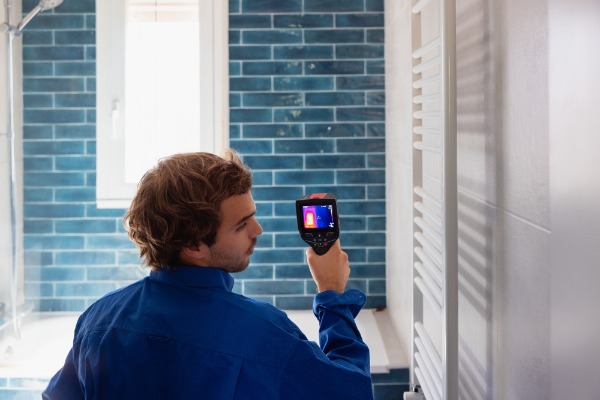
Modern leak detection uses a combination of tools designed to locate water movement without exploratory demolition. Acoustic listening devices pick up the sound of water escaping under pressure, which travels differently through pipe material than through open air. Thermal imaging cameras can reveal temperature differences in a wall or floor caused by hot water lines leaking into cooler surrounding material. Pressure testing isolates sections of the plumbing system to identify which line is losing pressure, narrowing the search before any physical inspection begins.
Water pipe leak detection with this kind of equipment typically takes a fraction of the time that manual searching would, and it protects the rest of the structure from unnecessary cuts or holes. Once the location is confirmed, the technician can explain exactly what needs to be repaired and why, rather than presenting a list of possibilities.
When a Slow Leak Turns Into an Emergency
Not every leak behaves the same way. A pinhole leak in a copper line might drip for weeks before anyone notices, while a fully burst pipe can release hundreds of gallons in a single hour. Burst pipes are usually the result of freezing temperatures, sudden pressure spikes, or a slow leak that finally gave out at a weak point in the pipe wall.
When a pipe bursts, water pressure means the volume of water in a home or building can climb fast enough to reach flooring, electrical outlets, and furniture before anyone gets home to shut off the main valve. That’s the scenario where emergency leak detection matters most, since finding the source quickly limits how much water damage spreads before repairs can begin. Burst pipe repair at that stage isn’t optional. It’s the only way to stop active water loss and start drying out the affected area.
What Happens After the Leak Is Found
Once a technician pinpoints the location, the repair itself depends on where the leak is and what caused it. A pinhole leak in an accessible section of pipe might only need a spot repair or a section replacement. A slab leak may call for rerouting the line above the floor instead of breaking through concrete. A failed water heater connection is often a straightforward fix once the exact fitting is identified.
Water leak repair is most effective when it addresses the actual cause rather than just patching the visible symptom. A repair that ignores corrosion elsewhere in the same line, for example, often means another leak develops nearby within a short time. Burst pipe repair services should include a look at the surrounding pipe condition, not just the section that failed, so the same problem doesn’t resurface a few months later.
Frequently Asked Questions
- How much water can a hidden leak actually waste?
According to the EPA’s WaterSense program, the average household leak can waste thousands of gallons of water per year, and a running toilet or dripping fixture alone can account for a large share of that. Because this figure comes from a published EPA estimate rather than something we measured ourselves, it’s worth checking the source directly if you want the exact current number.
- Can one leak really double my water bill in a single billing cycle?
Yes. A leak that runs continuously, such as a stuck fill valve or a cracked underground line, can add a significant amount of water usage over a full billing period, especially if it started early in the cycle and went unnoticed.
- Do I need a plumber or a specialist for leak detection?
Many plumbing companies offer leak detection using acoustic and thermal equipment as part of their regular services, so you don’t need a separate specialist in most cases. What matters more is confirming the technician has the equipment to locate the leak precisely before any repair work begins.
- Will homeowners insurance cover the cost of finding or fixing a leak?
Coverage varies by policy and by the cause of the leak, so it’s worth calling your insurance provider before repairs begin to ask what documentation they require and what portion of the cost, if any, is covered.
Reach Out Before the Next Bill Arrives
A doubled water bill is a signal worth acting on before it turns into a bigger repair. We provide emergency services for active leaks and burst pipes, our technicians are fully insured, and we stand behind our work with a 100% guaranteed satisfaction policy. If your bill spiked and you can’t explain why, contact us at Sewer Surgeons and we’ll help you find out where that water is actually going.