The 5-Minute Weekly Drain Maintenance Routine That Prevents 90% of Clogs

water flowing down the drain

Clogs have a way of developing fast, and a blocked drain can turn a normal day into an utterly frustrating mess. We know from experience that most household backups are preventable with a simple routine. By taking a few minutes each week, homeowners can significantly reduce the risk of clogged drains. As the premier team for drain cleaning in South Orange, NJ, Sewer Surgeons goes the extra mile by helping clients prevent drain clogs. You’ll see the difference small, consistent habits make in maintaining a healthy plumbing system.

Check for Slow Drains

Start your routine by running water through every sink, shower, and tub. This keeps water moving efficiently and helps maintain clear pipes. Using a soft brush or strainer to remove small debris supports ongoing drain cleaning services, keeping your plumbing in top condition and preventing blockages from forming.

Clear Visible Debris

Remove any hair, food scraps, or other visible material from drain openings. This step may take only a minute, but it drastically reduces blockages. We perform similar prep work when conducting sewer cleaning, helping homeowners see improvement immediately.

Flush with Hot Water

Pouring hot water down drains once a week helps dissolve grease and soap buildup. This simple step keeps the pipes moving freely and complements professional drain & sewer services. Hot water alone cannot replace deep cleaning, but it keeps minor buildup from turning into serious clogs.

Use Safe Enzyme Cleaners Occasionally

An enzyme-based cleaner supports the natural breakdown of organic material. When used weekly, it can help reduce odors and buildup without damaging your plumbing. This practice works alongside routine sewer and drain cleaning, maintaining the overall health of your system.

Inspect and Maintain Traps

Check the U-shaped traps under sinks and tubs. Removing trapped debris can prevent unpleasant odors and recurring blockages. Regular attention to these areas is a small step that pays off over time and complements other drain services you may schedule.

Recognize When to Call Professionals

Even with weekly maintenance, some clogs develop deeper in the system. If you notice persistent slow drainage or recurring backups, it’s time to contact trained professionals. Addressing stubborn issues early avoids damage and the inconvenience of fully clogged drains.

Frequently Asked Questions

How long does this weekly routine take?

It takes about five minutes per home, depending on the number of drains.

Can hot water damage my pipes?

Standard hot tap water is safe for most household plumbing. Avoid boiling water in PVC pipes.

Are enzyme cleaners safe for all drains?

Yes, enzyme-based products are generally safe for pipes and septic systems when used as directed.

How often should I schedule professional drain cleaning?

We recommend a full professional cleaning every 12 to 18 months, or sooner if recurring issues appear.

Small, consistent actions prevent most clogs. Sewer Surgeons brings emergency services, fully insured technicians, and 100 percent guaranteed satisfaction to every home visit. Our team ensures drains stay healthy, reducing the need for urgent interventions and keeping plumbing flowing reliably. Send us a message today for clog-free drains!

What Makes a Sewer Lateral Different from a Main Sewer Line

damaged sewer lines

Understanding your property’s plumbing can be confusing, especially when problems arise. A common question we hear is how a sewer lateral differs from a main sewer line. Knowing the distinction matters because each part of the system has unique responsibilities, risks, and repair approaches. When the Sewer Surgeons team handles sewer line repair in Millburn, NJ, we see firsthand how awareness of these differences can save homeowners time, stress, and unnecessary disruption.

Defining the Sewer Lateral

A sewer lateral is the pipe that runs from your home to the municipal main line. It is typically the homeowner’s responsibility to maintain. Damage can occur from tree roots, ground movement, or corrosion. Because it directly connects your property to the city system, a failing lateral can cause backups inside your home, making sewer line replacement or repair urgent.

Understanding the Main Sewer Line

The main sewer line carries wastewater from multiple properties to the treatment facility. It is maintained by the municipality, and repairs are handled on a larger scale. Problems here can impact multiple homes, but homeowners usually do not bear direct responsibility. When we evaluate issues, the main line’s condition affects how we approach sewer pipe repair on the lateral to prevent recurring problems.

Signs You Need Lateral Attention

Slow drains, foul odors, or water pooling near the foundation often point to lateral issues. These problems differ from main line failures, which typically show up as widespread neighborhood backups. When rapid response is required, we provide emergency sewer line repair services to minimize damage. Timely intervention can prevent a small clog from turning into a major disruption.

Modern Repair Methods

Trenchless solutions have transformed sewer repairs. Techniques like pipe lining or pipe bursting allow us to address lateral damage without tearing up your yard. Using trenchless sewer repair methods saves time, reduces mess, and keeps properties intact while restoring function. These options also complement routine inspection, which helps identify weak spots before they fail.

Coordinated Services Matter

A damaged lateral often requires coordinated work with other components of the sewer system. Our sewer line services at Sewer Surgeons include inspection, repair, and replacement, handled by experienced sewer contractors who understand both the homeowner’s and municipality’s responsibilities. This integrated approach ensures repairs are thorough and long-lasting, supporting broader system repair goals.

When to Call Professionals

Homeowners should consider professional help when drains are slow, water pools, or odors persist. Accurate diagnosis ensures the right method is applied, whether it is a small patch repair, full lateral replacement, or preventive maintenance. Our sewer system repair team is trained to handle these challenges efficiently while keeping your property safe and functional.

Frequently Asked Questions

Who is responsible for a sewer lateral?

Homeowners are usually responsible for the lateral, while the municipality maintains the main line.

Can a sewer lateral backup affect my whole house?

Yes, lateral failures can lead to clogs or sewage entering your basement or yard.

Is trenchless repair suitable for all lateral problems?

Many lateral issues can be addressed with trenchless methods, depending on pipe condition and location.

How often should a sewer line inspection be performed?

Experts recommend undergoing a sewer line inspection every 2 to 3 years or after heavy storms or signs of damage.

Dealing with sewer problems requires knowledge, experience, and precise execution. Sewer Surgeons provides emergency services, fully insured technicians, and 100 percent guaranteed satisfaction on every job. From inspection to repair and replacement, we manage the process so you can regain reliable sewer function without unnecessary stress. Schedule a service by calling us today!

The Safety Precautions Professionals Take During Hydro Jetting

various hydro jetting equipment

When a stubborn clog refuses to clear, hydro jetting is a powerful solution, but it comes with risks if handled incorrectly. High-pressure water can remove years of buildup in a pipe, but it can also cause injury or damage if safety steps are ignored. We have seen firsthand the difference that proper precautions make, especially when performing hydro jetting in Summit, NJ, where older pipes and tight spaces demand both skill and care. At Sewer Surgeons, we approach every job with methods that prioritize safety while delivering effective results.

Assessing the Situation First

Before water ever hits the pipes, we evaluate the system. Professionals identify pipe material, diameter, and condition to prevent cracks or bursts. Understanding the layout helps us plan where the hose will go and how pressure should be applied. This initial assessment is a key part of hydro jetting services, ensuring we tackle the blockage without creating new problems.

Wearing the Right Protective Gear

Hydro jetting involves pressures strong enough to cut through grime, grease, and even roots. Protective gear is not optional; it is essential. Gloves, face shields, and waterproof clothing protect against unexpected splashes. Our team consistently follows these protocols during sewer hydro jetting to keep ourselves and the property safe.

Controlling Water Pressure

High-pressure water is effective, but it must be controlled carefully. Professionals adjust pressure based on pipe condition and blockage severity. Over-pressurizing can damage plumbing, while under-pressurizing may leave debris behind. We rely on best practices in high-pressure hydro jetting to balance power with precision.

Securing the Work Area

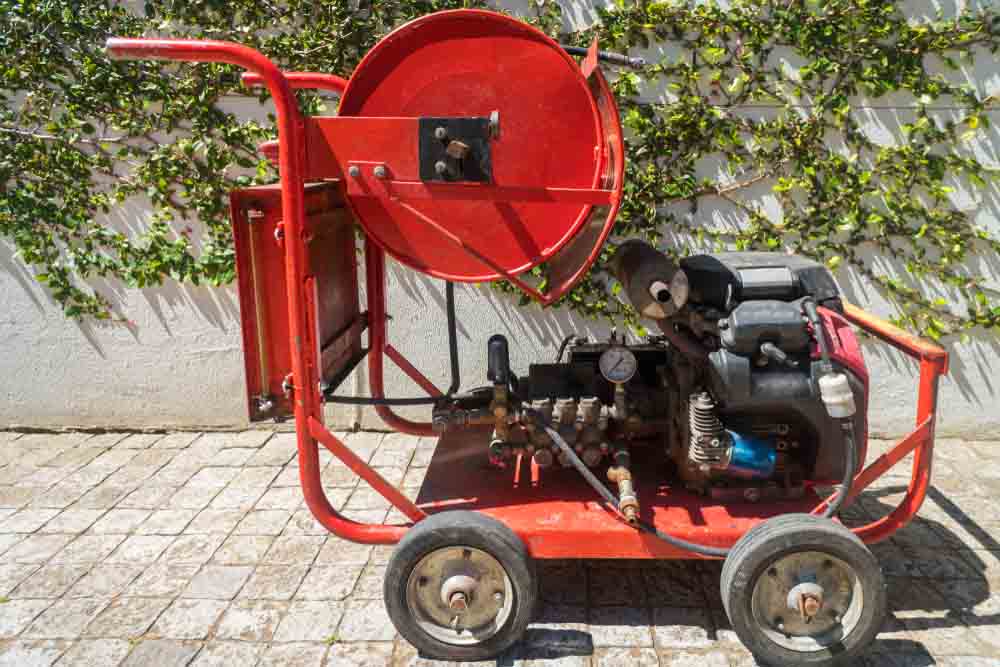
A hydro jetting setup requires space for hoses, reels, and pumps. We make sure walkways are clear and any bystanders are safely away from the work zone. Proper signage and caution measures prevent slips, trips, and accidental contact with equipment, which is a critical part of maintaining safety throughout the job.

Prepared for Emergencies

Even with precautions, situations can shift quickly. Our team carries the tools and training needed for emergency hydro jetting, so unexpected complications are managed without putting anyone at risk. Contingency planning is a standard part of our approach, giving property owners confidence that the job is handled responsibly.

Experienced Contractors Make the Difference

Hydro jetting is highly effective, but only when performed by knowledgeable hands. Skilled hydro jetting contractors know how to navigate obstacles, control equipment, and protect property while clearing stubborn clogs. Experience ensures both efficiency and safety, which is why homeowners trust professionals for this service.

Frequently Asked Questions

Is hydro jetting safe for older pipes?

Yes, when done by trained professionals who adjust pressure based on pipe material and condition.

Do I need to leave my home during hydro jetting?

You can usually stay home, but the work area should be clear and secure for safety.

Can high-pressure hydro jetting damage plumbing?

Improper use can cause damage, which is why professionals control pressure carefully and follow safety protocols.

How quickly can emergency hydro jetting be performed?

Licensed teams are equipped to respond immediately, often resolving blockages the same day.

Hydro jetting is powerful, but safety and precision make all the difference. Sewer Surgeons brings fully insured technicians, emergency services, and a 100 percent satisfaction guarantee to every job. We combine expert training with practical precautions so you get effective results without unnecessary risk. Get in touch with us today for your hydro jetting service!

Signs Your Sump Pump is Reaching the End of Its Lifespan

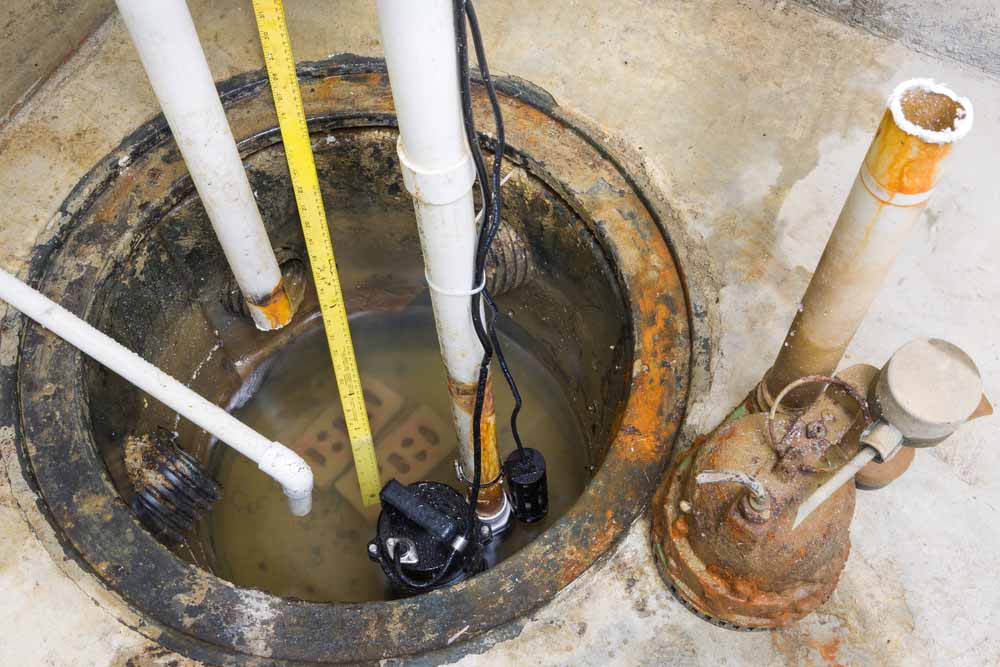
worn-out sump pumps

A sump pump rarely fails without warning. Homeowners often notice subtle changes first, like longer run times or noises that do not sound right. We have seen how these early signs can hint at deeper problems, especially in homes with older foundations and challenging water conditions. With frequent rainfall and established neighborhoods, sump pumps in Chatham Township, NJ, face real demands. Sewer Surgeons encounters these situations daily, and we want property owners to recognize the signals before water becomes a problem.

Strange Noises and Short Cycling

A healthy pump has a steady, familiar rhythm. Grinding, rattling, or rapid on-off cycling often points to wear inside the unit. According to the American Society of Home Inspectors, these sounds often appear as internal parts loosen over time. Consistent sump pump maintenance can help catch these changes early, before the pump loses reliability during heavy rain.

The Pump Runs but Water Lingers

When a pump turns on but water drains slowly, something is off. This can come from a tired motor or a partially blocked discharge line. Industry studies place the average sump pump lifespan around 7 to 10 years under normal use. When performance slips, a sump pump repair procedure may restore function if the rest of the system is still sound.

Water Shows Up When the Power Flickers

Many pumps rely on household electricity. If water appears after brief outages or storms, the setup may lack backup support or the pump may no longer handle peak demand. FEMA flood data shows that basement flooding often follows intense rainfall paired with power loss. Calls for emergency sump pump service often start with this exact scenario.

The System Is Older Than You Remember

Age plays a meaningful role in how well a sump pump performs. Over time, seals and switches experience normal wear, and motors work harder to move the same amount of water. University extension programs note that even well-cared-for pumps gradually lose efficiency. When a unit is ten years old or more, updated sump pump installation standards can offer improved performance and reliability.

Repairs Start to Feel Frequent

Needing service once in a while is normal. Needing it often is a pattern. When fixes pile up, reliability drops. Many homeowners reach a point where sump pump replacement offers a steadier path forward than repeated adjustments.

Past Water Issues and Disconnected Service Patterns

When a basement has flooded before, that history offers useful insight. Properties with prior water issues often benefit from a more tailored approach that considers soil conditions, grading, and drainage patterns alongside the pump itself. When service feels piecemeal and different people handle separate parts of the system, important details can be missed. Coordinated sump pump services keep inspections, testing, and adjustments aligned so the system works as a whole.

Frequently Asked Questions

How long does a sump pump usually last?

Most last 7 to 10 years depending on use, water volume, and upkeep.

Can strange noises mean failure is close?

Yes. New sounds often signal worn parts or alignment issues.

Is water in the pit after a storm normal?

Some water is expected, but standing water after cycling is not.

Do older homes need different setups?

Often, yes. Older foundations and drains change how water moves.

When water threatens your space, clear answers matter. Sewer Surgeons brings emergency services, fully insured technicians, and 100 percent guaranteed satisfaction to every call. We focus on practical guidance, honest assessments, and work that respects your home and time. Reach out to us today for top-notch sump pump services!

The Responsible Pet Owner’s Guide to Preventing Drain Clogs

clogged drain (clogged with fur balls)

While pets definitely bring a fair amount of joy and energy to our homes, there’s also a whole lot of mess that comes with the whole package. What many pet owners do not expect is how vulnerable plumbing can be because of pets. Hair, litter, food scraps, and bath residue often find their way into drains without much notice. We see this pattern often at Sewer Surgeons. For households with dogs or cats, understanding prevention matters, especially for anyone seeking dependable drain cleaning in South Orange, NJ, later in the introduction phase of a plumbing problem.

How Pet Hair Becomes a Problem

Pet hair is light, sticky, and quick to gather inside pipes. Over time, it binds with soap residue and grease, creating clogged drains that slow water and trap odors. The American Kennel Club notes that most dog breeds shed year-round, which explains why even careful homes face this issue. Catching hair before it reaches the drain makes a noticeable difference.

Bath Time Habits Matter

Washing pets indoors sends fur, dirt, and shampoo straight into plumbing lines. Thorough residential drain cleaning procedures are often needed when tubs drain slowly after repeated pet baths. Using a drain cover and brushing pets beforehand reduces buildup and keeps water moving freely after bath time.

Food Bowls and Kitchen Sinks

Pet food remnants often end up in sinks during bowl washing. Oils and small food particles stick to pipe walls. The Environmental Protection Agency reports that fats and grease are leading contributors to drain blockages nationwide. Regularly scheduled drain cleaning services help remove residue that forms from repeated sink use tied to feeding routines.

Litter Boxes and Utility Sinks

Some pet owners rinse litter scoops or bedding in utility sinks. Fine particles travel easily through pipes and settle deeper in the system. Sewer and drain cleaning addresses buildup that standard plunging cannot reach, especially when multiple fixtures begin draining slowly.

Yard Cleanup and Floor Drains

Mud, fur, and debris tracked inside after walks often reach floor drains during cleanup. Drain & sewer services frequently uncover compacted debris that started as outdoor residue. Simple steps like wiping paws before entry can reduce the load placed on indoor drains.

When Blockages Appear Suddenly

Even with good habits, blockages sometimes form quickly. Emergency drain cleaning is often required when water backs up or drains stop working altogether. Acting quickly limits exposure to wastewater and reduces damage inside the home.

Routine Care Makes a Difference

Regular maintenance helps keep pet-related buildup under control. Periodic maintenance removes residue before it causes disruption and supports healthier plumbing throughout the house.

FAQs

Does pet hair really cause serious clogs?

Yes. Hair binds with soap and debris, creating dense blockages inside pipes.

Are chemical cleaners safe for pet homes?

Many contain harsh ingredients. Mechanical cleaning methods are often safer and more effective.

How often should drains be cleaned in pet households?

Homes with multiple pets often benefit from annual professional cleaning.

What drains clog most often with pets?

Bathroom tubs, utility sinks, and floor drains see the most buildup.

Responsible pet ownership includes caring for the systems that keep your home running. Sewer Surgeons provides drain services with thorough care backed by 100% guaranteed satisfaction. When pet dander and plumbing collide, we are ready with practical solutions. Reach out to us today for top-notch drain cleaning services!

Where Soil Movement Fits in Repeated Sewer Line Problems

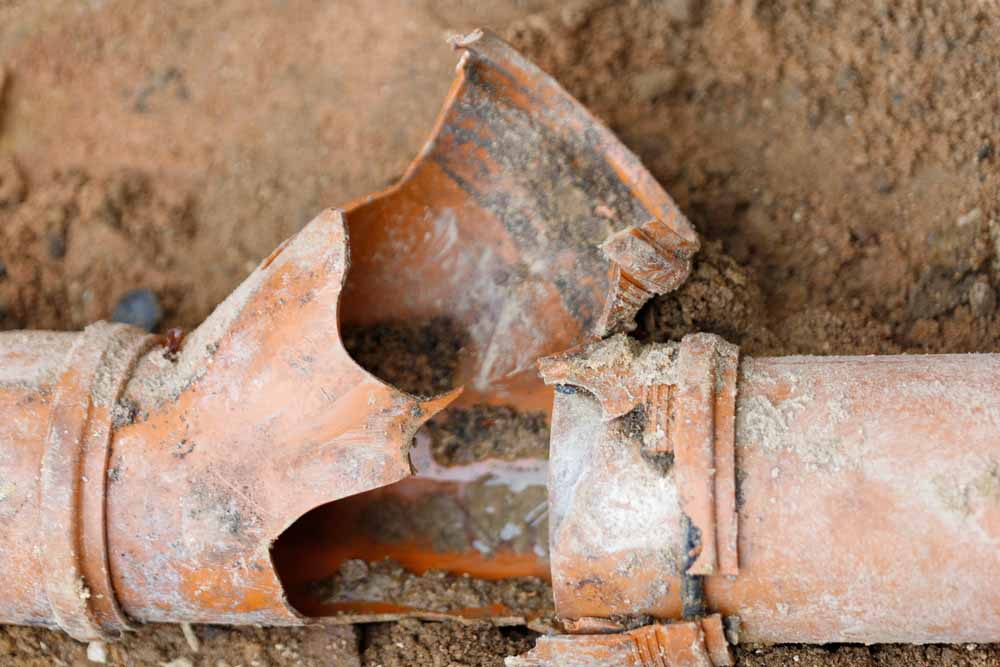
damaged sewer line

When sewer issues keep coming back, many property owners assume the pipe itself is the only problem. What we often find is that the ground around the pipe plays a big role. Soil expands, contracts, and shifts over time, placing steady pressure on underground lines. We see and address this pattern regularly at Sewer Surgeons, especially in older neighborhoods. For homeowners dealing with recurring backups or slow drains, understanding soil movement matters before proceeding with a sewer line repair in Millburn, NJ.

What Happens Beneath the Surface

Soil is not static. Clay-heavy soil common in New Jersey swells when wet and shrinks when dry. The U.S. Geological Survey notes that expansive soils cause billions of dollars in structural damage across the country each year. A proper sewer line inspection helps identify misaligned pipes, cracks, or separations caused by this constant ground movement before problems worsen.

Stress on Aging Pipes

As soil shifts, pressure builds at pipe joints and weak points. Older clay or cast iron lines are especially vulnerable. Small fractures may start unnoticed, then widen as the ground continues to move. Sewer pipe repair procedures are often the best option when repeated soil pressure allows roots or debris to enter through these openings, creating frequent blockages.

Water, Soil, and Repeated Failures

Rainfall and groundwater changes affect soil density. According to the Environmental Protection Agency, excess groundwater infiltration is a leading contributor to sewer system strain nationwide. Sewer system repair is often tied to correcting these conditions, since unstable soil can cause pipes to sag or separate, leading to recurring flow problems inside the home.

When Problems Turn Urgent

Repeated sewer backups, foul odors, or wastewater in lower drains signal that soil movement may have shifted the line significantly. At this stage, an emergency sewer line repair may be required to address sudden collapses or severe misalignment. Acting quickly helps reduce health risks and prevents further damage to surrounding structures.

Modern Repair Options

Not every soil-related issue requires extensive digging. Trenchless sewer repair procedures allow damaged sections to be reinforced or replaced with minimal surface disruption. This method works well when soil movement has caused cracks but the overall pipe path remains accessible, making it a practical option for many properties.

The Role of Qualified Professionals

Diagnosing soil-related sewer problems requires experience and specialized equipment. Licensed sewer repair contractors assess both pipe condition and surrounding soil behavior to determine the right solution. This approach avoids guesswork and focuses on long-term stability rather than temporary fixes.

Ongoing Care Matters

Regularly scheduled sewer line services can help monitor early warning signs linked to soil shifts. Periodic inspections and maintenance allow homeowners to address developing issues before they become disruptive, especially after heavy rain or long dry spells.

FAQs

Can soil movement really cause repeated sewer backups?

Yes, shifting soil can misalign pipes or create cracks that lead to ongoing blockages.

How do I know if my sewer problem is underground?

Frequent backups, slow drains throughout the house, and sewage odors often point to an underground issue.

Is trenchless repair reliable for soil-related damage?

It can be effective when the pipe path remains stable and damage is limited to cracks or weak sections.

How often should sewer lines be inspected?

Many professionals recommend inspections every few years, or sooner if recurring problems appear.

Repeated sewer problems often start below the surface. Soil movement adds stress that pipes were never designed to handle alone. Sewer Surgeons provides emergency services and detailed assessments backed by 100% guaranteed satisfaction. If recurring sewer issues are disrupting your home, we are ready to help you understand what’s happening and address it with care and precision. Reach out to us today to schedule an appointment!

Why Battery Backup Systems for Sump Pumps Aren’t Just for Power Outages

flooded basement

A sump pump without a battery backup can leave your basement vulnerable at any time. Power outages are the obvious risk, but sudden heavy rainfall or mechanical failures can flood your home even when electricity is available. We see this frequently at Sewer Surgeons, and we know how quickly water can damage floors, walls, and personal belongings. If you’re searching for reliable sump pumps in Summit, NJ, don’t forget about battery backup systems, as they are key to keeping your property safe and dry.

Constant Protection

A battery backup keeps your system running when the primary pump fails. Many homeowners assume backup systems only activate during blackouts, but they also cover mechanical or electrical issues with your main pump. Sump pump maintenance often reveals worn float switches, corroded wiring, or clogged pumps, and a battery backup provides a second line of defense that works automatically. The Federal Emergency Management Agency notes that basement flooding affects tens of thousands of homes annually, making preventive sump pump repair measures more important than ever.

Reliable Operation During Storms

Heavy storms can overwhelm primary sump pumps, especially if debris or sediment slows the motor. Sump pump installation setups that include a battery backup ensure water is removed consistently, even when conditions are harsh. Emergency sump pump service can respond quickly, but having a reliable backup reduces risk and limits potential damage before professionals arrive.

Extending Your Pump’s Life

A backup system reduces wear on your main pump by taking over during high water events or malfunctions. Routine sump pump repair often uncovers that overworked pumps fail sooner than expected. By integrating a battery backup, homeowners see longer pump life, fewer service calls, and lower long-term maintenance costs. A sump pump replacement procedure may still be necessary over time, but backups provide added resilience in the meantime.

Professional Oversight

Proper installation and monitoring are crucial. Certified contractors can design systems tailored to your home’s needs. Regular checks during sump pump maintenance visits allow technicians to test battery capacity, inspect floats, and verify pump performance. This attention keeps both the main and backup systems working efficiently, providing peace of mind.

FAQs

How long does a battery backup run?

Most backup systems operate for 6 to 12 hours under normal conditions, depending on water volume and battery capacity.

Can I install a backup system myself?

Professional installation is recommended to guarantee correct wiring, float placement, and overall reliability.

How often should I test my sump pump?

We advise scheduling sump pump services monthly as a way to test its efficiency, particularly before seasonal storms, to catch any potential issues early.

Do battery backups require maintenance?

Yes, batteries need periodic charging, replacement every 3 to 5 years, and float inspections during sump pump maintenance.

A battery backup system provides continuous protection, safeguards your home during storms, and extends the life of your sump pump. At Sewer Surgeons, we offer full sump pump services, including sump pump installation, repair, replacement, and emergency sump pump service. Our fully insured technicians deliver expert care with 100% guaranteed satisfaction. Reach out to us today to see how we can make your home more resilient against flooding risks.

How to Spot Plumbing Issues During Seasonal Changes

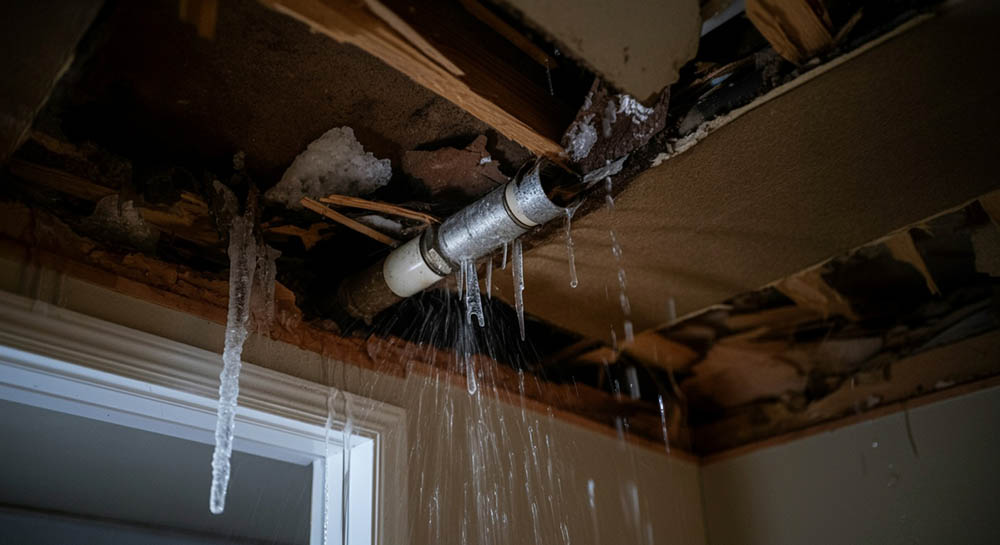
leaky pipe line

Seasonal changes can bring sudden surprises for property owners, especially when it comes to plumbing. Temperature swings, heavy rainfall, or freezing nights can reveal hidden problems in your pipes, faucets, and fixtures. We see this often at Sewer Surgeons, and we know how small issues can quickly become disruptions.

If you are looking for a reliable plumber in Chatham Township, NJ, you’ve come to the right place. We’ll help you recognize the signs of plumbing trouble early to save time and prevent unnecessary plumbing maintenance worries.

Pipes That “Shiver”

Cold weather can cause pipes to contract and expand, sometimes leading to cracks or leaks. A telltale sign is a sudden drop in water pressure or strange noises when you turn on taps. According to the American Water Works Association, freezing temperatures account for over 30% of residential pipe bursts in the United States each year. Thorough water leak detection procedures during this time can prevent serious damage and help you pinpoint the problem before it spreads.

Kitchen Clues

Kitchens often show the earliest signs of stress. Drips under sinks, puddles around dishwashers, or sinks that drain slowly signal that attention is needed. Our services cover clogged toilet repair, slow drains, and kitchen plumbing maintenance. Detecting these problems in the cooler months is crucial because frozen or obstructed pipes can worsen if left untreated.

Basement Warnings

Basements are highly vulnerable to seasonal water issues. Sump pumps may be overworked during spring rain or winter thaw, increasing the risk of flooding. Older homes built on concrete slabs can experience slab leak repair needs when temperature fluctuations affect the foundation. Checking for damp spots or unusual odors in your basement can save extensive repairs down the line.

Heating and Repiping Signals

Heating systems that rely on water circulation may show leaks in radiators or valves. We also notice that older homes sometimes require repiping when seasonal stress reveals worn pipes. Even small drips or rust-colored water can indicate that the system is under strain. Early detection allows for timely intervention, maintaining comfort and safety for everyone in the home.

Plumbing FAQs

How do I know if my sump pump is failing?

Listen for unusual noises and check if water is pooling near the pit; frequent cycling is also a warning sign.

What causes slab leaks during seasonal changes?

Shifts in soil and freezing temperatures can create pressure points, sometimes leading to small cracks that require slab leak repair in slab-embedded pipes.

Can I detect water leaks without a professional?

You can look for damp spots, low water pressure, or unusual water bills, but accurate detection often requires specialized tools.

When should I call for clogged toilet repair?

Any persistent slow flushing or repeated backups call for immediate clogged toilet repair procedures to prevent overflow and water damage.

Seasonal changes tend to test your plumbing system, but with careful observation, you can catch potential problems before they develop further and become unmanageable. Sewer Surgeons offers top-notch plumbing services. With our fully insured technicians, we handle plumbing emergencies and provide clients with 100% guaranteed satisfaction. Whether it’s water leak detection, sump pumps, repiping, or kitchen plumbing, we’re ready to respond quickly and expertly. Reach out to us today to schedule a service appointment!

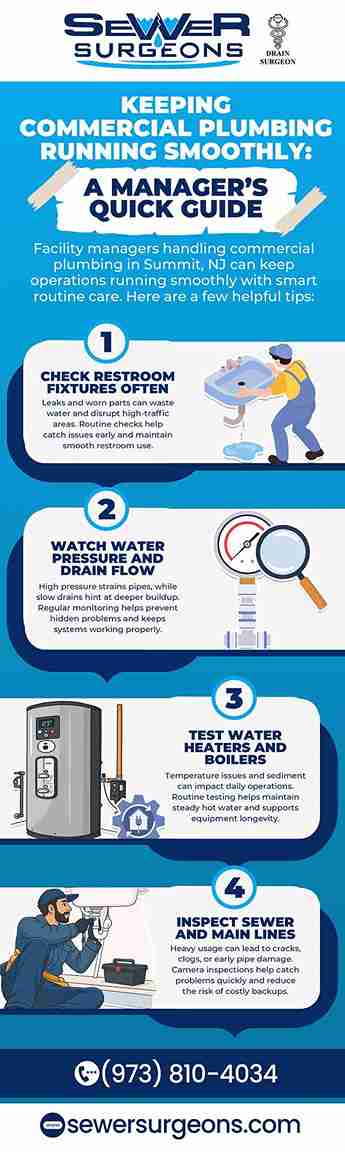
What Facility Managers Should Include in a Commercial Plumbing Maintenance Checklist

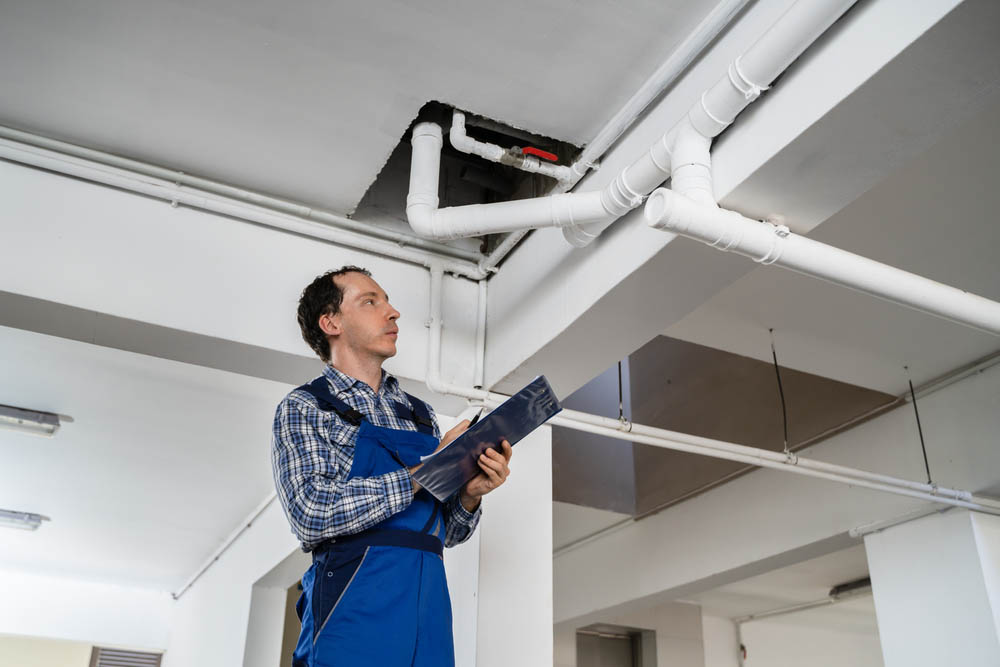
commercial plumber conducting an inspection

Plumbing systems in commercial properties handle more stress than residential ones, making preventive care even more essential. Sewer Surgeons provides guidance for facility managers looking to create a reliable routine for commercial plumbing in Summit, NJ. A well-structured checklist helps reduce unexpected breakdowns, manage costs, and extend the life of the system.

Inspect Fixtures and Restrooms Regularly

Restrooms see high daily use, and even small leaks or running toilets can waste significant amounts of water. Facility managers should schedule inspections for sinks, toilets, urinals, and faucets to confirm they are working efficiently. Any early signs of wear or leaks should be addressed promptly by a qualified commercial plumber.

Monitor Water Pressure and Drains

Water pressure that is too high can strain pipes, while low pressure may indicate hidden leaks or buildup. Checking pressure on a consistent basis helps identify concerns before they escalate. Drains should also be tested for flow, as slow drainage can signal clogs forming deeper in the line. Professional services such as commercial hydro jetting may be needed to clear buildup and restore proper function.

Test Water Heaters and Boilers

Hot water supply is essential for many commercial operations. Facility managers should add water heater and boiler testing to their checklist. This includes verifying temperature settings, inspecting for sediment buildup, and checking safety valves. When repairs or replacements are required, partnering with experts who handle plumbing installation helps maintain reliable service.

Examine Backflow Prevention Devices

Backflow can contaminate a building’s water supply, creating health risks and compliance issues. Backflow prevention devices should be inspected and tested on a regular basis. Facility managers who schedule testing as part of ongoing commercial plumbing services reduce the chance of costly fines or shutdowns.

Maintain Sewer and Main Lines

Sewer lines in commercial buildings face heavy demand. Regular inspection with video camera equipment allows technicians to track pipe condition and spot early damage. When problems are identified, scheduling timely commercial sewer repair prevents backups and protects the property from water damage and operational delays.

Keeping Commercial Plumbing Running Smoothly

FAQs

Q: How often should facility managers update their plumbing maintenance checklist?

A: A checklist should be reviewed at least once a year and adjusted based on building size, usage, and regulatory requirements.

Q: What are signs that commercial plumbing maintenance is overdue?

A: Frequent clogs, inconsistent water pressure, foul odors, and visible leaks often indicate maintenance has been delayed.

Q: Do commercial properties need different maintenance routines than residential ones?

A: Yes. Commercial properties experience higher usage, larger systems, and stricter regulations, often requiring a more detailed checklist.

A detailed checklist helps facility managers stay ahead of costly repairs and maintain compliance. Sewer Surgeons supports businesses with 24/7 availability, a satisfaction guarantee, and the expertise of licensed technicians. For reliable assistance with commercial and emergency needs, our team is ready to provide trusted service whenever it is needed. Call us today or fill out our online form to schedule an appointment.

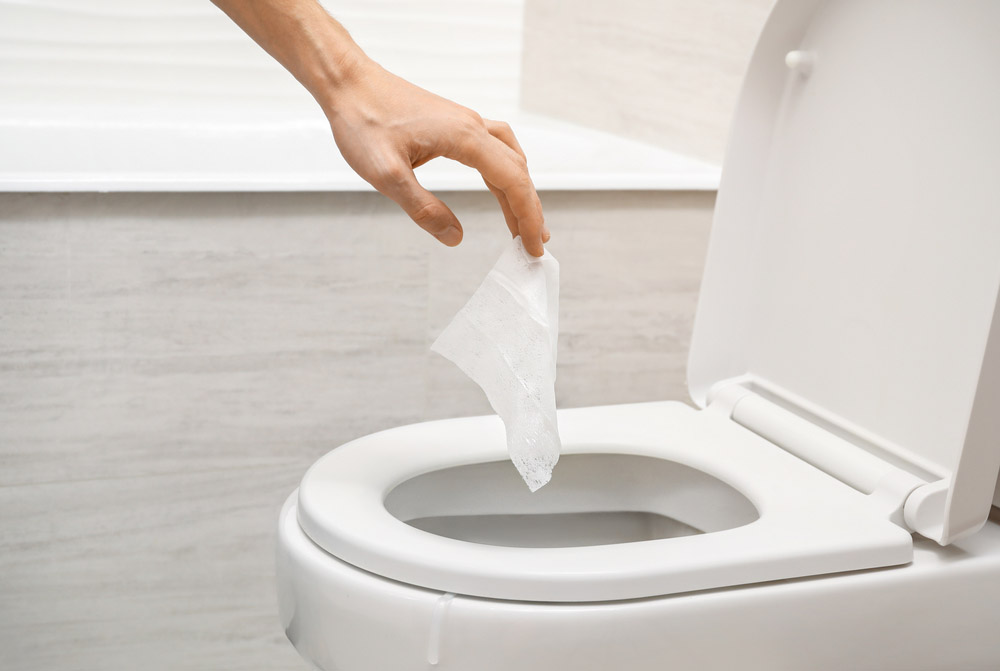
Why “Flushable” Products Are the Biggest Drain Myth in Modern Plumbing

flushable wipes

Are “flushable” wipes truly safe for your plumbing? Many products claim to be, but the reality is they often cause serious blockages. As the trusted provider of professional drain cleaning in Glen Ridge, NJ, our Sewer Surgeons team works to educate our clients about the dangers of these items. Understanding the truth about so-called “flushable” products is the first step in preventing major drain issues.

Why Do “Flushable” Wipes Clog Drains?

Unlike toilet paper, which dissolves quickly in water, “flushable” wipes are made with synthetic fibers that stay intact. While they may feel flimsy, these fibers are durable enough to resist breaking down in a drain system. Over time, these wipes accumulate in pipes, catching hair, grease, and other debris. This creates a solid blockage that can halt water flow entirely. A single wipe may not seem like a problem, but the cumulative effect of many can be severe and prompt emergency drain cleaning.

What Happens to “Flushable” Products in Your Plumbing?

When these items enter your home’s pipes, they start to create a problem. The wipes collect in bends and joints, forming a dense clog. This blockage can result in a drain back up in sinks, showers, and toilets, resulting in a smelly and unhygienic mess. Public sewer systems also suffer. Municipal workers often face massive “fatbergs”—large, solid masses of wipes, grease, and other non-biodegradable materials. These fatbergs can block entire sewer lines, causing significant damage and requiring extensive removal efforts.

The Truth About Other “Flushable” Items

Many other items are frequently flushed but are not designed for plumbing systems. Paper towels, cotton swabs, and dental floss are common culprits of clogged drains. These materials, like wipes, do not disintegrate and can become lodged in your pipes.

Feminine hygiene products, medications, and even pet waste bags are also major contributors to blockages. These items should always be disposed of in a trash can, not in the toilet. Adhering to this simple rule helps prevent the need for frequent drain services.

Why Trust a Professional for Your Drains?

When a clog occurs, especially a difficult one, professional help is essential. Experienced technicians have the right equipment to safely and effectively clear your pipes. High-pressure water jetting and specialized augers can break apart stubborn clogs without damaging your plumbing.

While DIY methods might provide a temporary fix, they rarely address the root of the problem. A professional inspection can identify underlying issues and prevent repeat blockages. Regular drain cleaning services can also help maintain the health of your plumbing system.

FAQs

Q: What are some alternatives to “flushable” wipes?

A: For personal hygiene, bidet attachments or reusable cloths are environmentally friendly alternatives that are also safe for your plumbing.

Q: Are there any legitimate “flushable” products besides toilet paper?

A: No. Toilet paper is the only product specifically designed to dissolve safely and completely in your plumbing and sewer systems.

Q: Can chemical drain cleaners fix a “flushable” wipe clog?

A: Chemical drain cleaners are typically ineffective against these types of clogs and can damage your pipes, making the problem worse.

Get Professional Help for Your Drain Issues

If you are dealing with a drain issue, do not hesitate to turn to Sewer Surgeons. We offer expert drain cleaning solutions to resolve blockages quickly and efficiently. Our technicians are fully licensed and insured, and our residential and commercial services are backed by a satisfaction guarantee. When you need to get your drains flowing again, we are here to help. Call us today or fill out our online form to schedule an appointment.