
Holiday Travel Plumbing Prep: Protecting Your Pipes While You’re Away

packed bags

Holiday trips bring excitement, but they also mean leaving your home unattended. Plumbing issues that go unnoticed during this time can quickly escalate into expensive repairs. As the trusted local plumber in Mountain Lakes, NJ, Sewer Surgeons shares how simple preparation can help protect your system and avoid surprises.

Why Plumbing Preparation Matters During Holiday Travel

Plumbing systems run quietly in the background, but when something goes wrong, the damage can spread quickly. A small leak can grow into flooding, frozen pipes can burst, and hidden blockages can push wastewater back into the home. By preparing before travel, you lower the risk of coming back to an unwanted plumbing emergency.

Turn Off the Main Water Supply

Shutting off the main water valve is one of the most effective ways to protect pipes while away. With water flow stopped, the chance of a sudden burst or leak is greatly reduced. If shutting the entire supply is not possible, consider turning off valves to individual appliances such as sinks, washing machines, and ice makers. This small step provides strong protection against unexpected plumbing failures.

Check for Leaks Before You Leave

Even minor leaks can cause major damage if left unattended. A careful inspection of sinks, toilets, and exposed pipes is worth the effort. Scheduling professional water leak detection before a trip can also be helpful. Trained specialists use advanced equipment to spot hidden problems that may not be visible. Addressing these issues early reduces the risk of returning home to water damage.

Clear Drains and Toilets

Standing water in drains and toilets can create unpleasant odors and worsen existing blockages. Before leaving, flush toilets and run water through sinks and tubs. If there have been issues, arrange clogged toilet repair or drain cleaning ahead of travel. Clear drains lower the chances of backups while no one is home to notice.

Insulate and Protect Vulnerable Pipes

Cold weather increases the chance of frozen pipes. Insulating exposed pipes in basements, attics, and garages is an effective safeguard. In climates prone to freezing, setting the thermostat at a consistent temperature prevents the home from dropping too low. These steps keep water moving safely while you are away.

Address Larger Concerns in Advance

If you have noticed low water pressure, recurring damp spots, or unexplained increases in water bills, these may point to bigger concerns. Professional services such as slab leak repair and kitchen plumbing maintenance can help resolve underlying problems before travel. Taking care of these issues beforehand means fewer worries during your time away.

FAQs

Q: Should I turn off my water heater completely?

A: No, it is generally better to set it to “vacation mode” or a low temperature. Turning it off completely for an extended time can make it harder to restart and can even lead to issues with the pilot light or heating elements.

Q: What about outdoor plumbing like hoses and spigots?

A: Before you leave for a winter trip, disconnect all garden hoses from outdoor faucets. Drain any remaining water from the spigot and consider covering it with an insulated cover to prevent freezing.

Q: How long before my trip should I schedule plumbing maintenance?

A: It’s best to schedule service at least a week before travel. This allows time for repairs or inspections without last-minute stress.

Preparing pipes before leaving for the holidays saves time, money, and stress later. Sewer Surgeons offers full plumbing services for both residential and commercial properties. Our team is available 24/7, and our solutions are backed by a satisfaction guarantee, so you can leave your home with confidence. Call us today to schedule an appointment.
Sewer Line Lifespan by Material: How Long Your Pipes Are Built to Last

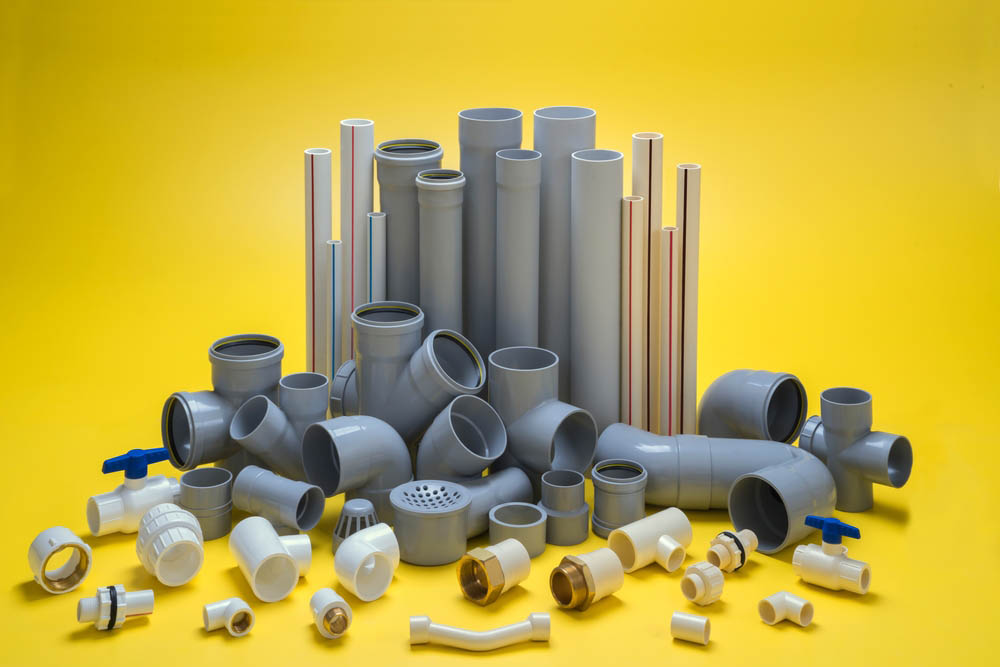
different sewer pipe materials

Different types of pipes last for different lengths of time, and knowing the expected lifespan of each material helps homeowners and property managers plan for maintenance. Sewer Surgeons, the go-to local team for sewer line repair in Berkeley Heights, NJ, provides guidance to those who want to better understand how long their systems can function before issues potentially arise.

How Long Clay Sewer Pipes Last

Clay was commonly used in older sewer systems and can often last 50 to 60 years under normal conditions. While it is durable against chemical wear, clay is brittle and prone to cracking from soil movement or tree root intrusion. Many properties built before the 1970s still have clay pipes in the ground, making age-related failure a common reason for sewer system repair.

Cast Iron Sewer Pipe Lifespan

Cast iron pipes are known for their strength and were widely installed in mid-20th century construction. With proper installation and average soil conditions, these pipes can last between 50 and 100 years. However, they are vulnerable to internal corrosion and scaling, which can restrict water flow over time. When corrosion becomes advanced, sewer line replacement may be the only long-term solution.

How Long PVC Sewer Pipes Can Last

PVC (polyvinyl chloride) has become the most common material used for modern sewer systems. Its resistance to corrosion and root intrusion gives it an expected lifespan of 100 years or more. While durable, PVC joints must be installed correctly to avoid leaks. Frequent emergency sewer system repair is uncommon with PVC, but ground shifts and improper connections can still cause issues.

Orangeburg Pipe Durability

Orangeburg pipe, made from bituminous fiber, was used in many homes built from the 1940s through the 1970s. Unfortunately, its lifespan is significantly shorter than other materials, typically lasting 30 to 50 years. These pipes are prone to collapsing under soil pressure, making them one of the most common candidates for sewer pipe repair.

Modern Options and Maintenance

Today, many property owners choose trenchless solutions to update aging pipes. Trenchless sewer repair methods can rehabilitate existing sewer lines (that are still structurally sound) without large-scale digging, which reduces disruption to landscaping and driveways.

No matter the pipe material, scheduling a sewer line inspection can help identify early warning signs and extend the system’s overall performance.

How Long Do Sewer Pipes Really Last

FAQs

Q: How do I know what type of sewer pipe I have?

A: Pipe material often depends on when the home was built. A professional inspection can confirm whether your system is clay, cast iron, PVC, or another type.

Q: Can regular maintenance extend pipe lifespan?

A: Yes. Annual inspections and drain cleaning help detect problems early, which can slow down wear and prevent larger failures.

Q: What causes sewer pipes to fail prematurely?

A: Several factors can lead to early pipe failure, including poor installation, aggressive tree root intrusion, ground movement, corrosive soil conditions, and extreme temperature fluctuations. Physical damage from construction work can also shorten a pipe’s life.

Professional Help When It Matters Most

Whether you are dealing with aging materials or urgent pipe damage, Sewer Surgeons provides professional solutions backed by decades of experience. Our team is available 24/7 and offers both residential and commercial services. With fully insured technicians and a satisfaction guarantee, we help property owners address sewer problems with confidence. Call us today to learn more.

What Really Happens During a CIPP Pipe Lining Project

relined pipes

Pipe problems can often seem overwhelming, but modern repair methods make the process far more efficient than many expect. Sewer Surgeons uses cured-in-place pipe technology to handle a wide range of issues without the need for major excavation. Read on as we outline how CIPP pipe lining in Morristown, NJ works in practice, turning a damaged pipe into a reinforced system with minimal disruption.

How the Pipe Is Prepared

The trenchless pipe lining process begins with preparation. Technicians conduct a video inspection to evaluate the condition of the existing pipe. This step identifies cracks, blockages, and buildup. Once the condition is clear, the line is cleaned using methods such as hydro jetting to remove roots, grease, and other debris. A clean and open pipe is essential so the liner can adhere properly.

What Happens When the Liner is Installed

After preparation, the liner is saturated with a special resin and positioned inside the existing pipe. It is then inverted or pulled into place depending on the setup. Once inside, pressure or hot water inflates the liner against the host pipe. This creates a smooth, jointless surface that will harden into a new pipe within the old structure.

How the Resin Cures

Curing is what gives the liner strength. Heat, steam, or ultraviolet light may be used to solidify the resin. During this stage, the liner hardens and bonds tightly to the original pipe wall. The result is a durable and seamless interior surface that prevents leaks, resists corrosion, and improves flow. Many property owners choose pipe lining services for this reason, as they deliver lasting performance.

What the Final Inspection Confirms

Once cured, technicians conduct another video inspection to check if the installation was successful. They check for uniform coverage, proper curing, and smooth connections at the pipe ends. Any service laterals that were covered during the process are reopened with specialized cutting tools. This final step in trenchless sewer line repair confirms the new lining is ready for use.

Why CIPP is Considered Effective

CIPP projects avoid unnecessary excavation, which makes them faster and less disruptive than traditional methods. Because the process relies on the existing structure, it strengthens aging pipelines without the need for complete replacement. When conditions allow, expert technicians often recommend trenchless pipe repair to extend the life of underground infrastructure.

FAQs

Q: How long does a CIPP liner last?

A: Most liners are designed to last 50 years or more when installed properly, providing long-term reliability.

Q: Is CIPP suitable for all pipe materials?

A: It works well with clay, cast iron, PVC, and other common sewer pipe materials, provided the host pipe is structurally sound.

Q: What is the difference between CIPP and other trenchless methods?

A: CIPP creates a new pipe within the old one, while other methods, such as pipe bursting, replace the existing pipe entirely.

Fixing a damaged sewer pipe does not have to be a stressful ordeal that destroys your yard. Sewer Surgeons provides dependable trenchless plumbing services, and we are available 24/7 for emergencies. We are also BBB-accredited with an A+ rating. Call us today or fill out our online form to get started.

Why a Constantly Running Sump Pump Isn’t Always a Good Thing

technician inspecting a sump pump

A sump pump’s job is to keep water away from your foundation and protect your property from flooding. But when it never seems to turn off, it often points to something more concerning than heavy rainfall. Sewer Surgeons highlights that continuous operation of sump pumps in Scotch Plains, NJ can signal equipment trouble or underlying drainage problems that need attention.

Why is My Sump Pump Always Running?

Several factors can cause a sump pump to run continuously. The most obvious reason is excessive water. This could be from a major storm, a high water table, or even a plumbing leak. However, if the weather is dry and your pump won’t turn off, the cause is likely a mechanical issue. A float switch, which tells the pump when to turn on and off, can get stuck or fail.

Additionally, a clogged discharge pipe can force the pump to work harder without moving water out of the basin. This can lead to the pump cycling on and off rapidly or running nonstop. A proper sump pump repair addresses these specific mechanical problems.

The Consequences of a Continuously Running Pump

A constantly running pump is a concern for several reasons. First, it puts unnecessary strain on the motor, shortening its lifespan. This increased wear and tear can lead to an early need for sump pump replacement.

Second, continuous use consumes a significant amount of electricity, which will be reflected in a higher utility bill. Third, a malfunctioning pump leaves your basement vulnerable to flooding. If the pump fails completely, your home could be at risk of water damage, which can lead to costly repairs for foundations, flooring, and personal belongings.

How to Address the Problem

The best way to handle a continuously running sump pump is to identify the root cause. Start by checking the float switch for any obstructions. Clear any debris that might be preventing it from moving freely. Examine the discharge pipe for clogs or blockages. If these basic checks don’t solve the problem, it’s time to consider professional sump pump services.

Technicians can accurately diagnose the issue, whether it’s a faulty switch, a clogged pipe, or a motor problem. Regular sump pump maintenance can also prevent these issues from happening in the first place, ensuring the system operates correctly when you need it most.

FAQs

Q: What is the average lifespan of a sump pump?

A: The average lifespan of a sump pump is typically between 7 and 10 years, though this can vary based on usage and maintenance.

Q: Can I fix my sump pump myself?

A: Simple issues like a stuck float switch or a minor clog can sometimes be addressed by a homeowner. However, for mechanical problems or complex repairs, it’s best to call a professional to avoid further damage.

Q: What should I do in a sump pump emergency?

A: If your pump stops working and water is entering your basement, contact an emergency sump pump service immediately. Turning off the power to the pump may also be necessary for safety.

Whether you need a simple fix or a complete sump pump overhaul, professional help can provide a lasting solution. Sewer Surgeons offers residential and commercial services and is BBB-accredited with an A+ rating, giving you confidence in our work. Call us today to schedule an appointment.
When Hydro Jetting Is Ideal for Older Pipes—And When It’s Not

technician inspecting a sump pump

Hydro jetting is one of the most effective ways to clear stubborn clogs and buildup inside sewer and drain lines. However, when older pipes are involved, the decision to use this method requires more consideration. Sewer Surgeons often evaluate pipe material, age, and overall condition before recommending hydro jetting in Berkeley Heights, NJ, so that the solution truly benefits the system without creating unnecessary risks.

When Hydro Jetting Works Well for Aging Systems

Older pipes made from durable materials, such as cast iron or certain types of clay, can often withstand high water pressure if they are still structurally sound. In these cases, hydro jetting services can remove years of accumulated grease, roots, and mineral deposits more effectively than snaking or chemical cleaners. The process not only restores pipe flow but can also extend the usability of pipes by clearing obstructions that might otherwise cause backups.

When It May Not Be the Right Choice

Not all older pipes are candidates for sewer hydro jetting. Pipes that are already cracked, heavily corroded, or weakened from years of wear may break apart under the force of the water. In these situations, alternative cleaning methods or even pipe repair or replacement may be safer options. A camera inspection is usually the first step before applying any high-pressure method, as it helps identify whether the structure of the pipe can handle the procedure.

The Role of Pressure Levels and Professional Oversight

Hydro jetting is not a one-size-fits-all process. The amount of pressure applied depends on the pipe size, material, and condition. Professional hydro jetting contractors use specialized equipment that can be adjusted to match these variables, reducing the risk of pipe damage. Working with trained technicians means the job is completed with precision and safety in mind.

Situations That Call for Immediate Cleaning

Sewer backups, foul odors, or multiple slow drains throughout a property may require more urgent action. In these cases, emergency hydro jetting can be performed to quickly restore flow and prevent water damage. Even then, the process is evaluated carefully to protect fragile or aging pipes. The combination of advanced tools and professional assessment allows problems to be resolved quickly while keeping long-term system health in focus.

FAQs

Q: Can hydro jetting fix a collapsed sewer pipe?

A: No, hydro jetting cannot repair a collapsed pipe. Its purpose is to clear blockages, not to restore structural integrity. A collapsed pipe requires replacement.

Q: Is hydro jetting better than snaking?

A: For simple clogs, snaking can be sufficient. However, for stubborn blockages like tree roots or grease buildup, high-pressure hydro jetting is more effective as it thoroughly cleans the entire pipe wall.

Q: How often should I get my pipes hydro-jetted?

A: The frequency depends on your pipes and usage. For most residential properties, a professional cleaning every one to two years can help prevent major clogs and maintain optimal flow.

Professional Hydro Jetting Done Right

Whether dealing with recurring clogs or evaluating older sewer lines, Sewer Surgeons can determine the safest and most effective cleaning solution for your property. Our team is available 24/7, fully insured, and experienced in both residential and commercial services. Call us today for expert help with your drain and sewer needs.

How to Spot Early Warning Signs of a Major Sewer Line Blockage

blocked sewer pipe

A blocked sewer line often begins with subtle changes that many people overlook. What starts as a minor inconvenience can quickly grow into a serious plumbing problem that impacts your home or business. Sewer Surgeons provides guidance to help property owners recognize these early signs before they develop into emergencies. For advanced solutions, we also provide services such as sewer pipe micro cleaning in Westfield, NJ.

Slow-moving drains signal early trouble

When sinks, tubs, or showers take longer than usual to clear, it can mean more than a simple clog. Multiple drains slowing down at the same time often point to a larger issue deeper in the line. Paying attention to this pattern is important because it can indicate that a full sewer line cleaning may soon be necessary.

Strange sounds from your pipes are a warning

If you hear gurgling or bubbling noises coming from drains or toilets, it is often a sign that air is trapped in the line. This occurs when water struggles to pass through a blockage, creating unusual sounds. These noises are a practical signal that professional sewer pipe cleaning could be needed to keep wastewater moving freely.

Foul odors can point to a hidden issue

Unpleasant smells from drains or around your property may suggest waste is collecting in the line. Odors tend to worsen over time and can affect indoor comfort. These smells indicate the sewer line is not functioning as it should, and professional sewer cleaning services are required to restore proper flow.

Unexpected patches of greener grass may mean a leak

When a section of your yard looks brighter or grows faster than the rest, it might not be good luck. Wastewater can leak from a blocked or damaged pipe, feeding the soil above it. If you notice this type of change, it may be a sign that sewer line maintenance is overdue.

Water backing up is a clear red flag

The most urgent sign of a blockage is water backing up into sinks, tubs, or toilets. Even a small backup can quickly escalate into property damage if not handled promptly. This situation requires immediate attention and is often the final stage before a line becomes completely unusable.

FAQs

Q: How often should sewer lines be inspected?

A: Most properties benefit from a professional inspection every 18 to 24 months. Older systems or those with frequent issues may require more frequent checks.

Q: Can tree roots cause a major sewer line blockage?

A: Yes. Tree roots naturally grow toward moisture and can enter pipes through small cracks or joints, eventually blocking the flow of wastewater.

Q: What is the difference between cleaning and repair?

A: Cleaning clears debris and buildup to restore flow, while repair addresses physical damage like cracks, collapses, or separated joints.

Sewer Surgeons provides reliable micro sewer cleaning services backed by years of industry experience. Our team offers emergency solutions, satisfaction guarantees, and fully insured technicians to handle both residential and commercial needs. If you notice any of these warning signs, call us today for professional support before the issue grows more severe.

The Real Reasons Your Toilet Keeps Clogging Again and Again

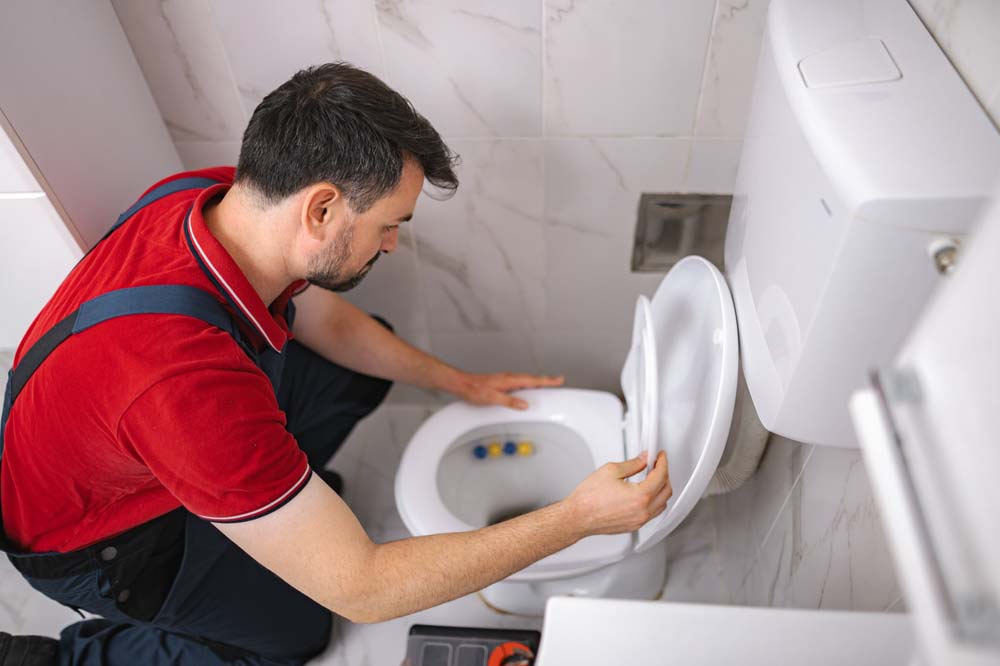
plumber inspecting a toilet

Repeated toilet clogs are more than an annoyance. They interrupt daily routines, create stress, and often signal an underlying issue that won’t go away on its own. Sewer Surgeons provides solutions for homeowners who need clogged toilet repair in South Orange, NJ. Read on as our expert team outlines why toilets continue to clog again and again.

Flushing the Wrong Items

One of the most common reasons for repeated clogs is flushing materials that should never enter a toilet. Items such as wipes labeled as “flushable,” paper towels, cotton products, or hygiene items do not break down in water. These materials collect in the drain, slowing the flow and causing repeated blockages. Over time, even small amounts can lead to the need for professional toilet clog removal.

Low-Flow Toilet Limitations

Many modern toilets are designed to conserve water, but some older low-flow models lack the pressure needed to move waste effectively. When waste and paper do not clear the bowl in one flush, buildup occurs in the trap or drain line. This leads to frequent clogs and the need for ongoing toilet clog services. Upgrading to a newer model with improved flushing technology often resolves this issue.

Problems with the Toilet Trap or Drain

The toilet trap is the curved section inside the fixture that prevents sewer gases from entering the home. However, this bend can also catch debris and cause recurring clogs. If the drain line connected to the toilet is cracked, misaligned, or partially blocked, it may require professional toilet drain repair. Addressing these structural issues helps prevent the same clog from forming again and again.

Tree Root Infiltration in Sewer Lines

Toilets that clog frequently may also be a symptom of a larger problem beyond the bathroom. Tree roots often break into underground sewer lines in search of moisture. As roots grow, they restrict water flow and catch waste, causing backups that show up as repeated toilet clogs. This issue requires specialized equipment to diagnose and correct before it leads to a major sewer failure.

Plumbing Vent Issues

Every plumbing system relies on vent pipes to balance air pressure and keep waste moving smoothly. When a vent is blocked by leaves, animal nests, or debris, flushing power is reduced. This lack of air circulation can cause frequent toilet blockages that seem unrelated to flushing habits. Clearing or repairing the vent restores normal function and reduces clogs.

FAQs

Q: Can repeated clogs damage my plumbing?

A: Yes. Over time, frequent clogs put pressure on pipes, seals, and joints. Ignoring the problem can lead to leaks, sewer backups, or costly repairs.

Q: When should I call for professional help?

A: If clogs happen more than once a month or are not resolved with a plunger, it is best to contact professionals for emergency toilet repair before the issue worsens.

Q: Do frequent clogs mean I need a new toilet?

A: Not always. Sometimes the problem is in the drain, sewer line, or vent system. A professional evaluation can determine whether repair or replacement is the better option.

Reliable Help for Recurring Toilet Problems

Sewer Surgeons provides effective solutions for persistent toilet clogs with services available for both residential and commercial properties. From advanced diagnostics to 24/7 toilet repair, our fully insured technicians are ready to respond whenever problems occur. We are a BBB-accredited company with an A+ rating, delivering dependable results backed by a satisfaction guarantee. Call us today!

What Your Plumber Looks for During a Sewer Video Inspection

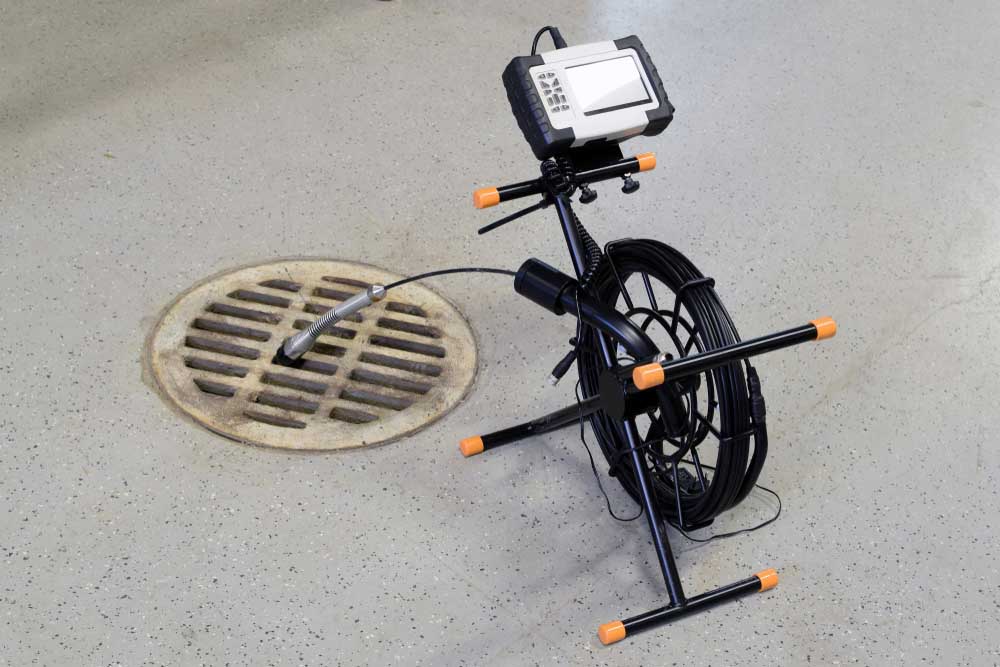
sewer camera equipment

A sewer line problem often starts small but can quickly grow into a major concern. One of the most effective ways to identify issues before they become emergencies is through a sewer video inspection in Millburn, NJ. Sewer Surgeons provides this service with precision, whether for maintenance or diagnosing a problem, giving homeowners clear answers about their system’s condition.

Identifying Blockages and Build-Up

Plumbers begin by scanning the line for any material restricting water flow. Common culprits include grease buildup, soap residue, scale, and foreign objects. A sewer camera inspection allows them to see exactly where and how severe the obstruction is. This helps prevent guesswork and makes it easier to recommend the right cleaning method.

Checking for Structural Damage

Pipes can crack, shift, or collapse over time due to soil movement, age, or heavy traffic above ground. During a sewer line inspection, technicians look for visible breaks, fractures, or sections of pipe that have started to sag. Spotting these issues early helps property owners address them before they worsen and lead to expensive repairs.

Assessing Tree Root Intrusion

Roots often grow toward moisture and can enter even the smallest pipe openings. Once inside, they expand and cause significant blockages. A sewer pipe video inspection helps technicians pinpoint where roots have entered and how extensive the intrusion is. This information guides decisions about whether cleaning or repair is necessary.

Verifying Connections and Flow

Plumbers also review how well the sewer line is joined to other parts of the system. Misaligned joints or improper slopes can lead to frequent backups. Through sewer camera services, technicians confirm whether the flow is smooth or if there are areas where waste and water are collecting. Addressing alignment issues can improve long-term performance.

Documenting for Property Owners

After the inspection, plumbers provide a clear summary supported by video footage. This record helps homeowners understand their system’s condition and serves as useful documentation if the property is being sold. Experienced sewer inspection contractors often supply both digital files and written notes for easy reference.

FAQs

Q: How often should a sewer line be inspected?

A: Most homes benefit from an inspection every few years, but older homes or properties with frequent drainage issues may require more frequent checks.

Q: How long does a sewer camera service take?

A: A typical sewer camera inspection takes about 1 to 2 hours, depending on the length and complexity of the sewer line.

Q: When should I get a sewer video inspection?

A: It is a good idea to have an inspection done if you have frequent clogs, slow drains, or are planning to buy a new home.

Q: Can a sewer inspection help with insurance claims?

A: Yes, the video footage from an inspection provides excellent visual evidence of damage, which can be helpful when filing an insurance claim.

Sewer Surgeons provides professional sewer inspections backed by experience and advanced technology. With residential and commercial services, as well as 24/7 emergency support, the team is ready to help property owners maintain safe and reliable plumbing systems. Call us today to schedule an appointment.

Why Whole-House Repiping is an Investment in Peace of Mind

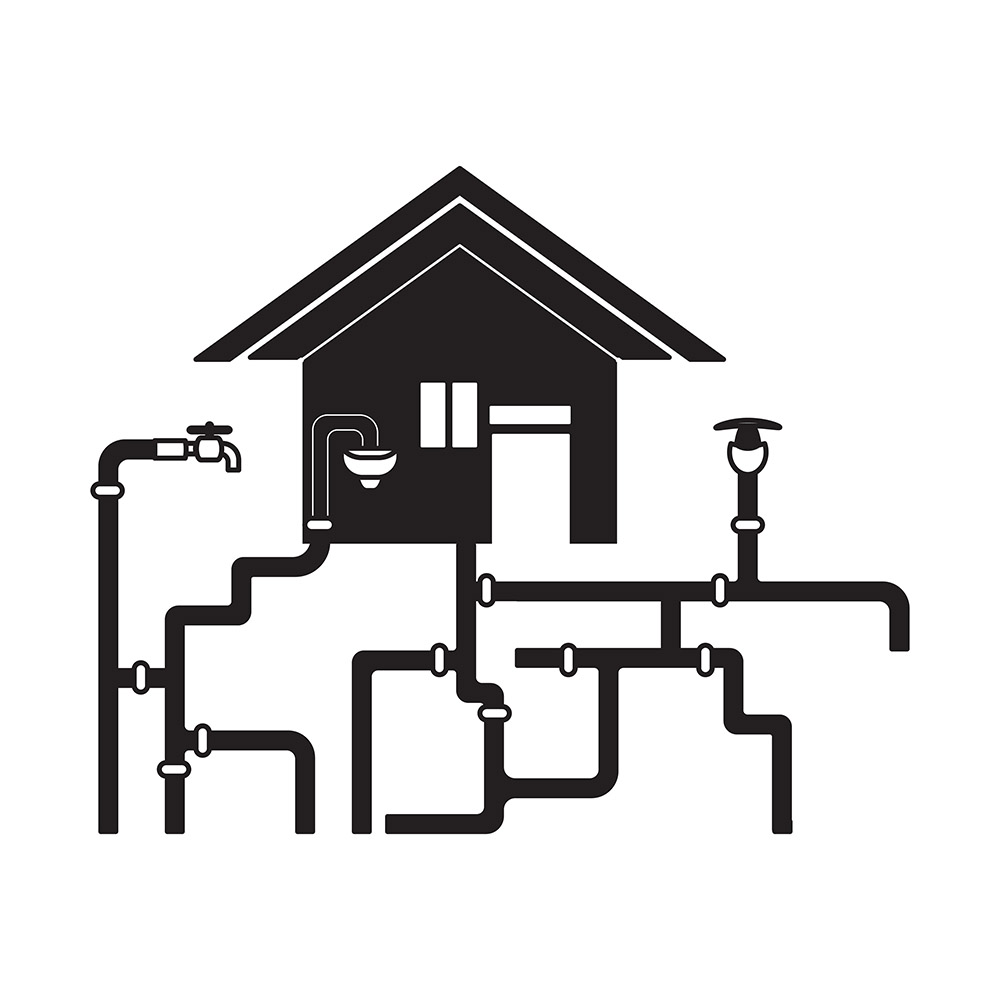
plumbing layout of a home

Pipes may be out of sight, but they play a vital role in the comfort and safety of your property. Over time, aging plumbing can cause hidden problems that lead to stress, water damage, and costly repairs. When these issues keep returning, it may be time to consider a more permanent solution. Sewer Surgeons provides top-notch repiping services in Scotch Plains, NJ, helping property owners restore confidence in their plumbing systems.

What Makes Whole-House Repiping Worth It

Whole house repiping is more than just replacing pipes. It is a strategic upgrade that addresses the root cause of recurring leaks, corrosion, and low water pressure. Instead of patching individual problem areas, this approach updates your entire plumbing network, providing a fresh start and helping prevent breakdowns. By investing in a full replacement now, you can avoid repeated disruptions and enjoy a more consistent water flow throughout your property.

The Long-Term Value of Pipe Replacement

When plumbing problems are frequent, the costs add up quickly. Pipe replacement can reduce the risk of water damage, mold growth, and emergency repairs. It can also improve water quality by removing old materials that may contribute to discoloration or metallic tastes. For many property owners, this upgrade increases overall property value, making it a smart choice for those planning to stay in their home long-term or preparing to sell.

Professional Experience Matters

The success of a project this extensive depends on skill and precision. Choosing seasoned repiping experts means the work is done efficiently, with minimal disruption to daily life. Professional crews understand how to work with different building layouts, navigate existing structures, and complete the job according to local plumbing codes. This knowledge helps protect your investment while giving you confidence that the new system will perform reliably for decades.

When Emergency Repiping May Be Necessary

Some plumbing failures cannot wait. Burst pipes, severe leaks, or sudden loss of water pressure may require emergency repiping to restore function quickly. Acting fast in these situations can help prevent water damage and reduce repair costs. Having a trusted plumbing team you can call anytime provides reassurance during urgent situations.

FAQs About Repiping

Q: How long does whole-house repiping take?

A: The timeline depends on the size of the property, the complexity of the plumbing layout, and the materials used. Most residential projects are completed in a few days.

Q: What materials are used for modern repiping?

A: Common options include copper, PEX, and CPVC. Each material has benefits related to durability, cost, and installation method.

Q: Can repiping improve water pressure?

A: Yes. Replacing old or corroded pipes often restores consistent and stronger water pressure throughout the property.

Sewer Surgeons is the repiping company to turn to for reliable solutions for your property. We are available 24/7, and each of our services is backed by a satisfaction guarantee. Call us today to discuss your needs and take the first step toward dependable pipe performance.

Preventing Burst Pipes in Homes With Older Plumbing Materials

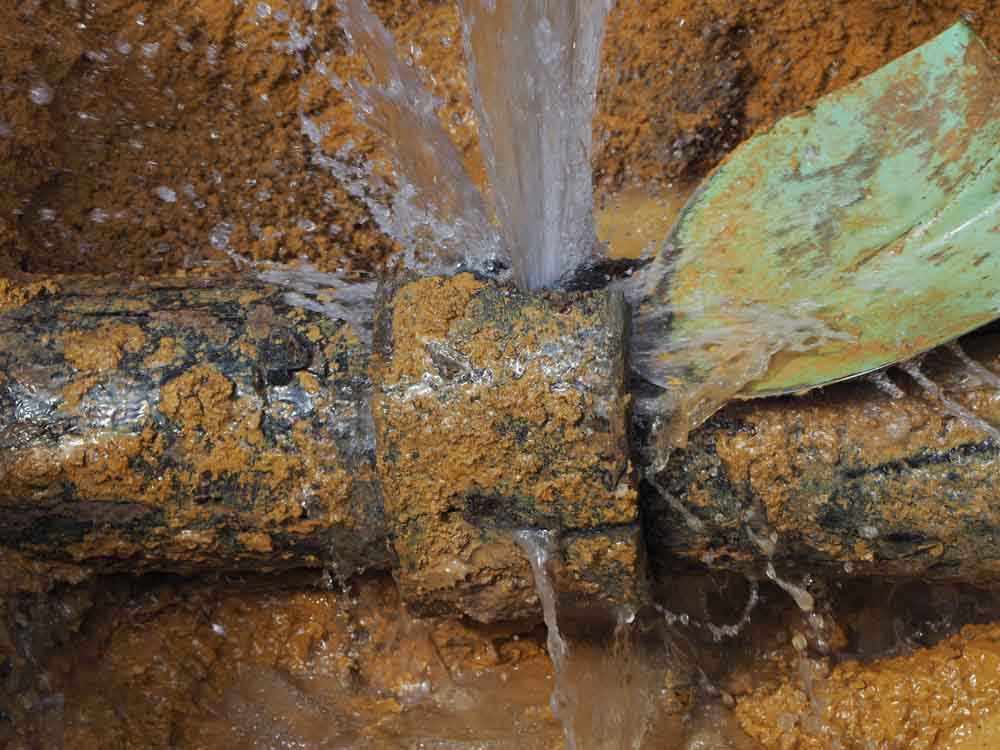
burst pipe

A burst pipe can turn a calm day into a homeowner’s worst nightmare, causing significant damage and costly repairs. While all homes are at risk, properties with older plumbing systems are especially vulnerable. Sewer Surgeons offers quality solutions, including water leak detection in Summit, NJ, to help homeowners reduce these risks.

Why Older Pipes Are Prone to Bursting

Over time, pipes made from materials common in older homes, such as galvanized steel or cast iron, corrode and weaken. Corrosion forms from mineral deposits and rust building up inside the pipes, reducing water flow and creating pressure points. When this happens, a sudden temperature drop or spike in water pressure can cause the weak pipe to fracture. Even seemingly minor issues can escalate; a small crack can quickly become a major problem requiring burst pipe repair. The integrity of these aging systems is compromised by years of use, making them less flexible and more susceptible to sudden failure.

Identifying Warning Signs of Weak Plumbing

Knowing what to look for can help you prevent a crisis. Visible signs of corrosion or rust on exposed pipes are clear red flags. Also, pay attention to discolored water, which may appear brown or reddish, signaling rust inside the pipes. A sudden drop in water pressure could mean a blockage is forming, placing stress on the system. Another critical sign is unexplained damp spots on walls, ceilings, or floors, which may indicate a hidden leak. Catching the source of these problems early with professional pipe leak detection can save your home from extensive water damage.

Proactive Steps to Protect Your Plumbing

Regular maintenance is the most effective defense against a burst pipe. Schedule a professional plumbing inspection to assess the condition of your older pipes. A plumber can identify weaknesses and suggest preventative measures, such as replacing short sections of pipe. During winter, be sure to insulate exposed pipes, especially those in unheated areas like basements, attics, or crawl spaces. Keep your home’s thermostat set to at least 55°F (12°C) to prevent pipes from freezing. If you suspect a problem, our water leak repair technicians can help.

What to Do During a Plumbing Emergency

If a pipe bursts, your first action should be to shut off the main water supply to your home to stop the flow. This will minimize water damage. After turning off the water, open faucets to drain any remaining water from the lines. Then, call for burst pipe repair services immediately. For severe issues like a burst pipe, you need experienced help. Acting quickly is crucial to limiting damage and beginning the repair process.

Frequently Asked Questions

Q: How much does a full pipe replacement cost?

A: The cost of replacing a home’s plumbing system varies greatly depending on the size of the house, the type of materials used, and the complexity of the job. It’s best to get a detailed quote from a qualified professional.

Q: What is the difference between a pipe leak and a burst pipe?

A: A pipe leak is a slow, steady drip or seepage from a small crack or loose joint. A burst pipe is a catastrophic failure, often caused by freezing or extreme pressure, leading to a sudden and large gush of water. Leak detection services can find small leaks before they become bursts.

Q: How often should older plumbing be inspected?

A: For homes with outdated materials, scheduling an inspection every one to two years is recommended. This helps identify small leaks before they escalate.

Q: Is replacing all old plumbing necessary?

A: Not always. Targeted repairs and regular monitoring may extend the life of the existing system. A licensed plumber can recommend the best approach based on pipe condition.

Sewer Surgeons offers residential and commercial plumbing services, including emergency response when urgent issues arise. With our fully insured technicians and satisfaction guarantee, you can rely on professional support whenever you need it. Call us today to schedule an appointment.