
Why Does the Toilet Keep Clogging?
Clogged toilets are among the most common plumbing problems and also some of the most frustrating. When a toilet clogs, a nasty mess is left floating in the bowl. In extreme cases, the sewage may even back up onto the bathroom floor. At that point, there is no fun way to deal with it, but the good news is that most clogged toilets can be prevented by following a few simple rules.
Don’t Flush the Wrong Materials
 Most people haven’t sat around and thought about exactly how toilets work, but understanding the thought process behind them can help everyone do their part to prevent toilet clogs. Toilets and sewer lines can’t handle materials that aren’t liquefied or suspended in plenty of water.
When a toilet is flushed, the downward spiral of the water and the shape of the P trap in the toilet macerate the toilet tissue and waste. When the refuse enters the sewer line, the sewage is almost completely fluid and can flow away through the sewer lines.
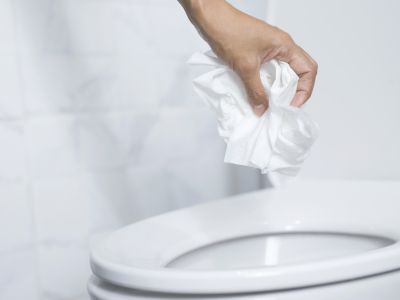
The first step in preventing a clogged toilet is remembering that things deemed flushable usually aren’t. The turbulence of the toilet does not break down things like wipes and paper towels. As they flow through the sewer lines, they slow down, allowing the water that carries them to flow faster.
A clog will begin to form if they stop completely in the sewer line. To be safe, only flush toilet paper and waste down the toilet. Throw everything else in the garbage.
Flush Less Toilet Paper
 Just because toilet paper is approved for flushing doesn’t mean everyone can just flush indiscriminately. When too much toilet paper is flushed at once, the toilet can’t properly liquify the load going down the drain. This is especially true of older toilets or even newer low-flow toilets.
The resulting wad will flow slower through the drain piping than the water that is supposed to carry it. A clog will quickly result.
Instead, users should try to use less toilet paper or gauge the amount of toilet paper in the basin and flush before there is too much. It may take several flushes per visit to the bathroom, so the amount of toilet paper is broken up between flushes.
Keep Sewer Lines Clean
Sewer lines, which have to handle the waste stream of multiple toilets, tubs, and kitchen sinks, can also contribute to clogged toilets. Therefore, residents also need to focus their energies on keeping the sewer line clean to prevent clogged toilets.
The easiest way to prevent toilet clogs that originate in the sewer line is to have the sewer line professionally cleaned periodically. Hydro jetting is excellent at removing blockages and debris that contribute to clogs.
People should also make efforts at every drain to stop certain materials from flowing down the drain. Keeping grease and food scraps out of the kitchen drain is a great first step. Installing hair catches in bathtubs and showers is also great for preventing things like hair from contributing to a clogged sewer line. By taking these easy steps, toilet clogs can be a thing of the past.
About Sewer Surgeons
Sewer Surgeons serve Chatham and the surrounding areas and are available for emergency services. They can also quickly address clogged toilets and determine any underlying causes so quick action can be taken. Call today for clogged toilet repair in Chatham, NJ.