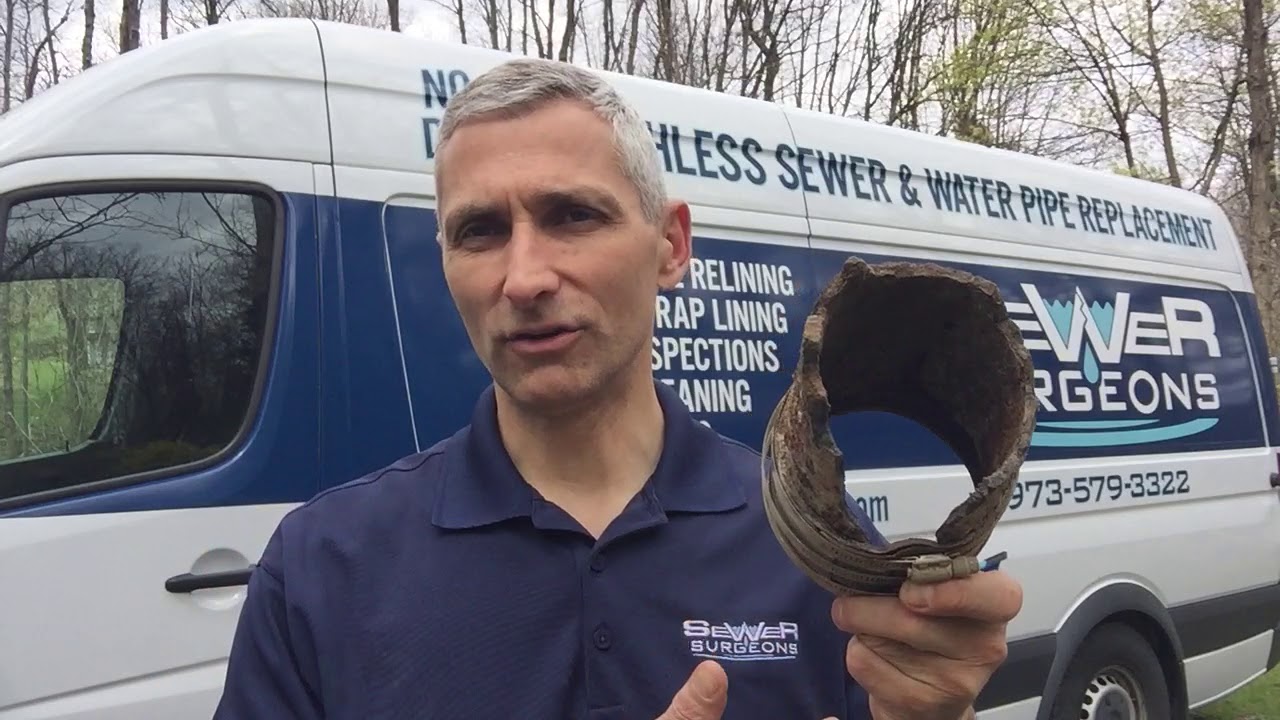
Sewer and Drains Glossary

plumber for Sewer and Drains


The business of sewers and drains isn’t always pretty, but it is necessary. Instead of leaving you to wade through the muck of confusion, we’ve put together this sewer and drains glossary to shed some light on the key terms and phrases used throughout our services.

24/7 Emergency Services: A round-the-clock, fast-response service that will help you during plumbing emergencies. If you have a sewer backup, a clogged drain line, or a persistent leak, our professional team will arrive at your residence or business quickly to stop it and perform any possible repairs.

ABS Pipes: Lengths of pipe made from Acrylonitrile Butadiene Styrene used for drains and vents. This black plastic pipe is hard and durable.

Back Flow: When water or wastewater backs up from one system into another. Backflow can result from clogs or flooding, but it also happens due to the siphoning effects of faulty valves and vents.

Back Flow Preventer: Also called a backwater valve or a check valve. A backflow preventer is a type of valve installed on your sewer line that stops wastewater from flowing back into your home or contaminating the potable water supply. It is a requirement for sprinkler systems but is recommended for sewer lines as well.

Cesspit: A concrete pit that collects sewage or contaminated water. It will eventually fill up and needs to be emptied periodically using special hydraulic equipment. It will then be transported to a treatment plant.

Clogged Pipes: Sections of pipe can become clogged due to tree roots, excessive corrosion, debris build-up, hair, soap scum, etc. You can have a partial or full clog. Partial clogs will let some wastewater from toilets and drains pass, resulting in slow drains. Complete clogs will result in water backup and possibly sewer backup. You will need professional drain cleaning to rid your pipes of stubborn clogs.

Commercial Pipe Repair: The repair of defective pipes that belong to commercial properties. They could be on the premises of a restaurant, office, storefront, or cafe. Because most businesses have running water, commercial pipe repair is required to keep building sewer lines running smoothly for workers and customers.

Drain Cleaning: The act of removing built-up debris from drains. There are multiple types of drain cleaning, including drain snaking, pipe jetting, and micro cleaning. Each performs a unique function in removing blockages and thoroughly scrubbing your pipes.

Drain Snake (auger): A metal cable that enters your drain line and breaks through the clog. It creates an opening in which the wastewater can flow down the pipe. The motor on the drain snake will spin the cable to break up the clog. Commercial augers will have blades to help professional plumbing companies break through tough debris like tree roots.

Effluent: The liquid waste in your septic system.

Fixture: A part of the plumbing that expels or accepts water or wastewater. A sink, toilet, tub, shower head, and outdoor faucet are all examples of plumbing fixture outlets.

Flow Rate: Measured in gallons per minute (GPM) or gallon per hour (GPH), the flow rate is the amount of fluid flow that passes through a plumbing system.

Float Ball: A ball that floats inside the toilet tank and measures the water level to start or stop it from filling up.

Gasket: Similar to a rubber washer, a gasket is a flat rubber device that creates a watertight seal between metal joints in plumbing fixtures.

Gray Water: A commercial or residential wastewater collection generated from any other fixture than a toilet. It comes from your washing machine, sinks, and shower.

Grease Trap: A component that traps grease in your pipes before entering the sewer line.

Hard Water: Water that has a high mineral content. It may contain calcium and magnesium. Water high in these minerals may result in dry skin, an unpleasant taste, and brittle hair.

Leaky Pipes: This results from cracked pipes, holes from corrosion, and loose joint fixtures. Leaky pipes can cause water damage behind the walls of your home or business and its foundation. This can lead to structural issues over time, as well as the chance for water damage, mold, and wood rot. It may be difficult to detect leaky pipes, but property owners should be aware of low pressure of water, musty smells, increasing utility bills, stains on the ceiling, floor, and walls, as well as pools of water around your sink, tub, and washing machine.

Main: The main part of the drain or sewer system in which all of the fixture branches connect.

Micro Cleaning: The latest technology in complete pipe cleaning. Micro cleaning or micro cutting is an advanced tool that cuts through roots and scales while thoroughly cleaning your pipes. This tool uses a spinning cutting head and a powerful stream of water or air to completely clean pipes from 2” to 12” in diameter. At the end of your micro cleaning service, your pipes will be like new and allow for maximum flow.

No Dig Pipe Repair: Also known as trenchless pipe repair, this non-invasive service can resolve collapsed and cracked sewer pipes and drains without digging up your basement or backyard. As opposed to traditional pipe repair, this method will take under a day to complete.

PB Pipes: Polybutylene is a type of bendable plastic tube that’s used to transport water to bathroom fixtures. It’s connected to your main water line and can bend around awkward angles.

PE Pipes: Polyethylene is another type of flexible plastic tubing commonly used in plumbing.

PEX Pipes: Cross-linked polyethylene. Flexible plastic pipe that is more durable than regular PE. It is used for water supply lines in bathrooms and kitchens.

Pipe Lining (CIPP Lining): Cured In Place Pipe Lining entails inserting a custom-made epoxy-soaked felt liner into your pipes before inflating a bladder to press the liner against the inside of the pipe. When the epoxy cures in 1-3 hours, we’ll remove the bladder to reveal a fortified sewer line. This trenchless method is ideal for pipes with cracks, holes, and corrosion, not those that are completely collapsed.

Pipe Coating: This process involves using a pipe coater that slides through your sewer line and navigates 90-degree turns and offsets. On its way, it will spray the interior of the pipe with 100% polyurea. Pipe coating is possible for up to 250 feet from the entrance of insertion.

Pipe Inspection: An inspection can be done manually or with a video camera. It is usually the first step of any drain cleaning or pipe repair process. During an inspection, a professional plumber will peer down your pipes to assess their condition. They may find blockages, tree roots, or corrosion, but if you’re up to date on your annual maintenance, they may find them to be completely clean.

Pipe Jetting: Using high-pressure hot water to blast through clogs, this advanced method of pipe cleaning can clear your sewer line of built-up debris and even smaller roots. This method is more thorough and effective than drain snaking and will dissolve grease and sludge in its path.

Plumber’s Putty: A type of putty that a plumber uses to seal joints between the surfaces of fixtures and metal pieces. It’s most commonly used in drains and has a dough-like texture.

Plunger: A common household tool used by homeowners to resolve small clogs. Made from rubber, a plunger measures 6” in diameter and creates downward pressure when secured over a drain. The excess pressure generated can push down trapped wastewater; However, plungers are not a substitute for regular drain cleaning but can be handy in certain situations.

Preventative Maintenance: An important part of maintaining a healthy sewer and drain line. Preventative maintenance involves regular inspection and cleaning and will address any necessary repairs when they occur. You can schedule maintenance appointments annually with a professional plumber to ensure you do not run into costly problems down the road.

PVC: Polyvinyl-Chloride. One of the types of pipe is made from white plastic. It is used for pieces of pipe in your bathroom drains and vent pipes.

Residential Pipe Repair: Pipe repair conducted at a residential private property. This could be in a 4-story home, bungalow, or apartment complex. Residential pipes experience less frequent use than some commercial properties do. However, they are handled the same way.

Scale: A build-up of calcium on the bottom of a tank. It may prevent heat transfer from occurring, which may explain why your taps or shower isn’t getting as hot as it used to.

Sediment: Debris in tanks that settles on the bottom.

Septic Tank: Used to hold domestic waste materials before they can be transported away from homes to sewage treatment plants. Septic tanks are utilized when a sewer line leading to a city sewer is not present and must be emptied periodically.

Shutoff Valve: A valve installed under a sink or toilet that shuts off the water supply. This valve is used when there is a leak or when repairs or maintenance is needed.

Soft Water: Treated water that has low mineral content.

Second Opinion: It’s not uncommon for homeowners to be taken advantage of by contractors who quote them higher prices than are necessary to complete the job. That’s why getting a second opinion is always important. Sewer Surgeons offers second opinions for home and business owners to ensure they are indeed getting the best price and that the issue the first contractor reported is indeed present.

Sewage: Human and domestic waste suspended in water.

Sewer Backup: This nasty plumbing emergency occurs when raw sanitary sewage backs up into your home from your sanitary sewer line. Backups happen because of clogs, but they can also occur by way of flooding from a nearby body of water. Sewers often back up through the lowest plumbing fixture in homes, i.e. the basement toilet or shower drain. You can prevent backups by having a backflow device installed on your main sewer line or by booking regular drain cleaning appointments.

Trap: The curved section of a drain that will trap a portion of water to stop sewer gases from entering your bathroom. “P” traps and “S” traps are the most common types of fixture traps found in bathrooms.

Trap Seal: The small portion of water inside your “P” or “S” trap that stops sewer gases from entering your bathroom.

Tree Root Invasion: Your sewer line runs underground through your back or front yard, connecting with your public sewer line or a cesspit. If you have trees in your yard, which most homeowners do, you run the risk of tree root invasion into your pipes. Tree roots are very strong and can push through the bottom or top of your pipes, cracking them and growing big enough to form a partial or full blockage.

Trenchless Green Technology: Sewer Surgeons uses eco-friendly pipe lining with minimal or no VOCs. This method is much greener than traditional pipe lining that uses gas-powered excavation tools.

Trenchless Sewer Repair: Traditional pipe repair involves digging a trench in your yard or parking lots or jackhammering the concrete slab under your home to access your underground pipe. Trenchless pipe repair does not. Only one hole will need to be dug to access the main entrance of your sewer line. Our trenchless methods involve CIPP lining and pipe coating.

Trenchless Water Pipe Repair: Homes also have water lines that run fresh water through plumbing fixtures. While they may not experience all of the same types of clogs, they can corrode and be blocked by tree roots. Repairing these pipes via trenchless methods involves minimal invasion, only that a small hole be dug to access the entrance of the main water line. Trenchless water pipe repair methods include CIPP lining and pipe coating.

Upfront Pricing: Also known as transparent pricing, upfront pricing is offered by reliable plumbers who want their customers to know exactly what they’ll pay before their plumbing service has begun. Upfront pricing will allow customers to budget for their service, but it also gives them peace of mind knowing they will not be charged any additional, unexpected fees.

Valve: This device regulates the flow of water inside your sewer pipe.

Valve Seat: The part of the valve that does not move. When the movable part of the valve touches the valve seat, the flow of water is stopped.

Vent: A vertical pipe or part of your drain pipe that slopes downward to allow sewer gasses to escape. It helps to balance air pressure and prevents the siphoning of excess water in traps.

Video Camera Inspection: During a drain cleaning or repair service, we will use video camera equipment to assess the condition of your drains. We will insert a camera down your sewer line and record what’s there. When it reaches the blockage or point of damage, we can tell exactly where it’s located in order to properly repair it. If excavation is required, knowing the exact location helps us prevent unnecessary digging.
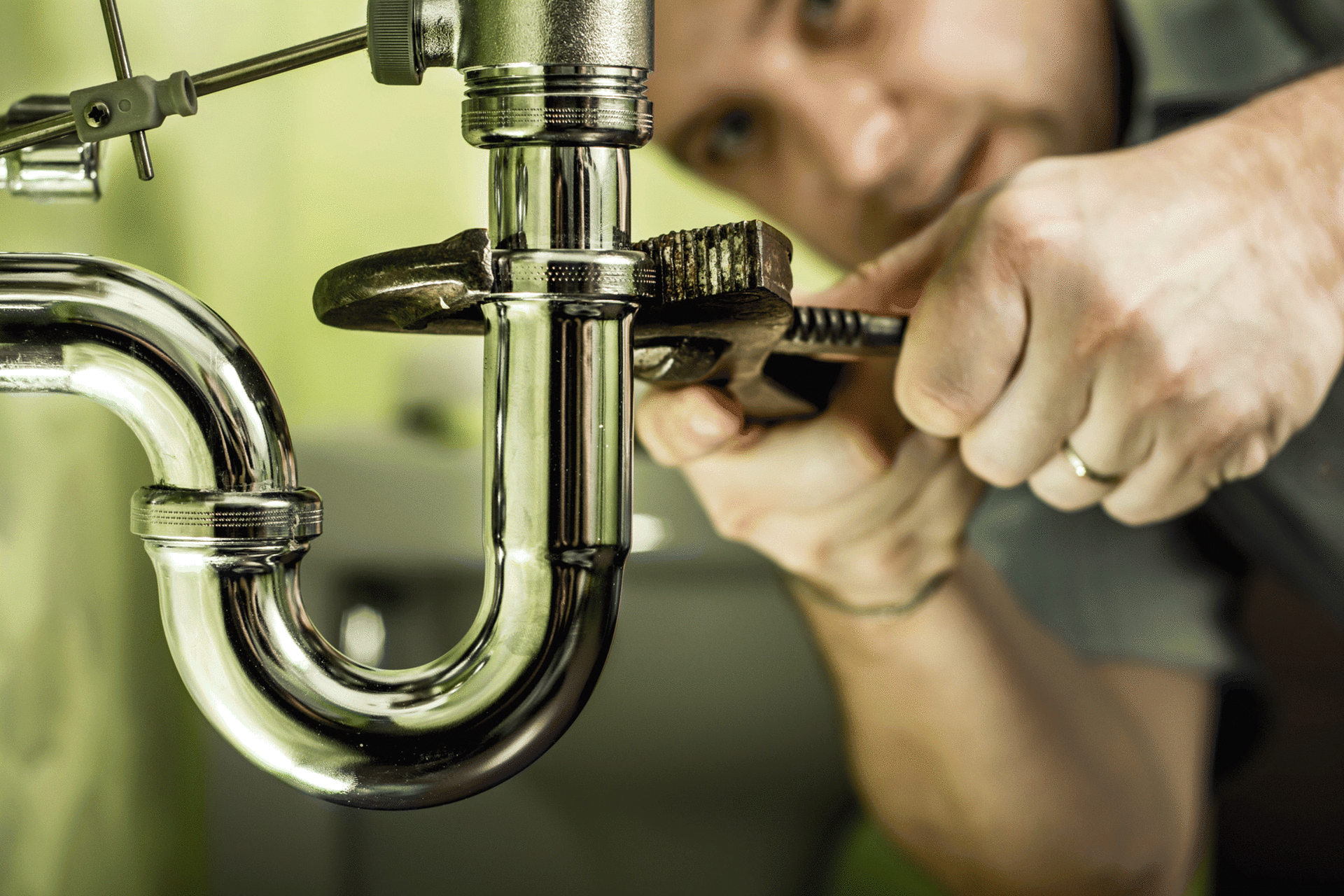
Need To Unclog a Shower Drain in New Jersey? Here is What You Need to Know

plumber at work


Did you know a clogged drain is one of the most common plumbing problems New Jersey residents have to deal with? Although minor clogs can be snuffed out with basic household equipment, frequent and tedious clogs indicate a deeper and underlying problem with your home’s plumbing system. If anything, a major clog may be deeply embedded in your drain lines. Responsible homeowners know better than to unclog shower drains consistently rather than leave them until the last minute once they encounter a water backup.

Suppose a nasty clog in your bathroom has turned your daily grooming routine upside down, and you find yourself standing ankle-deep in murky, clouded water every time you wash off in the shower. In that case, you need help from a professional plumber. It may be time to ask a qualified, licensed, fully insured New Jersey plumber from Sewer Surgeons to snuff out the troublesome blockage in your clogged shower drain. Our expert and experienced team members possess the skills, tactics, and know-how for any difficult shower drain that’s clogged, no matter the curveball.

At Sewer Surgeons, we boast an impressive track record of 31 years, offering top-notch workmanship in New Jersey and nearby areas. Our primary area of expertise is trenchless sewer line repair, alongside other services such as camera sewer inspection and sewer pipe jetting or hydro jetting. We advocate for our clients by genuinely listening to their pain points to conjure up authentic and long-lasting solutions for a clogged shower drain.

But first, before you schedule your consultation or service appointment, we delve into why a bathroom clog has surfaced in the first place so you can be more aware of how to prevent it from cropping up again. Give us a call at 973-579-3322 to speak with a knowledgeable customer care agent!

What Are the Telltale Signs You Need to Unclog Your Shower Drain in New Jersey?

A clog doesn’t arise out of nowhere but is the result of your daily habits. So you must be mindful of what you toss into your drain holes! For example, there are items you must ideally never flush down your shower drain lines.

Unfortunately, most of us get complacent and haphazardly toss in a grab bag of trash, including but not limited to the following:

  • Soap scum from shampoo, conditioner, body wash, shaving cream, etc.
  • Dead skin flakes
  • Long hair strands
  • Flushable wipes
  • Paper towels
  • Too much toilet paper
  • Food leftovers, including fats, oil, and grease (FOG)
  • Feminine hygiene products
  • Single-use disposables, e.g., cotton balls/rounds, floss, band-and contact lens/solution
  • Chemical drain cleaners
  • Medications
  • And so much more!

Over time, all of this accumulated debris coagulates into a solid and tough blockage that readily lingers inside your drainage pipes and is situated within a specific location. Over time, this nasty blockage will prevent the flow of water from being properly expelled to your main lateral and eventually onwards to the municipal sewage disposal system. Despite your handy-dandy drain catchers being backup support for catching incoming debris, they are not foolproof and only reduce the amount of sludge rather than annihilate it. If anything, New Jersey homeowners who participate in the proper upkeep of their drainage lines through routine maintenance through a professional annual inspection and cleaning of their drain lines will rarely, if ever, encounter a rigid clog. Regrettably, some irresponsible homeowners forgo any maintenance at all and haphazardly assume their drain lines are self-cleansing as if the next hot shower will magically whisk away any leftover residue in the clogged pipes each time they turn on the faucet. Not only are you buying into false presumptions and denying yourself the benefit of being hygienic and sanitary, but you are also permanently damaging your drainage pipes. Your shower is your self-care safe space for your daily grooming routines, and the last thing you want is to be knee-deep in dirty, opaque and used wastewater. Worst yet, an undealt clog can result in a sewage backup! Remaining extra vigilant about what you discard in your bathtub and shower area is essential to readily avert a blockage requiring you to unclog a shower drain in New Jersey. We understand that you lead a busy lifestyle and sometimes overlook a clogged shower drain, let alone be mindful of objects you dispose of through the drain hole. But it must be dealt with eventually.

If you’ve noticed any of these red flags, the main culprit is that the drainage lines are chock-full of debris. For example:

  • Gurgling or bubbling sounds
  • Foul odors (e.g., sulfur dioxide that smells like rotten eggs)
  • Sluggish or slow drains
  • Standing water
  • Frequent clogs resulting in backups
  • Pools of water around plumbing fixtures
  • Warped floors
  • Receding caulk on nearby plumbing fixtures, including sink, bathtub, and toilet
  • Debris in your water supply
  • Pest infestation
  • Sewage backup

Suppose you suspect a clog in your shower drain. Some red flags are more blatant than others. When left unresolved, a clog will also trigger further plumbing problems as it can arise in your shower drain line, disappear into another bathroom plumbing fixture, and emerge again in the shower area. For example, if you’ve noticed a hot rush of water from your shower head if someone flushed the toilet, it may be due to a clogged drain. A clogged shower drain can instantaneously affect multiple plumbing fixtures in the same area, especially if the solid blockage is situated in the main sewer lateral, as these fixtures share a drainage line.

Usually, a clogged shower drain in New Jersey comprises accumulated debris from dirt, soap scum, skin flakes, and hair strands that combine with soap residue to forge a clog that sticks to your pipe walls. Over time, this muck blocks out the smooth and effortless water flow. It will be obvious you have encountered a clog if the water in your bathtub or standing shower tends to stall and remain sluggish, backing up water into your plumbing fixture.

It’s best not to be complacent about a clogged shower drain, as it will only result in complicated problems later on. Apart from disrupting your daily routine, you may also be exposed to the worst-case scenario of a sewage backup in which raw and contaminated wastewater is hurled back into the basement. Atop this, the concentrated pressure from a clog can result in further plumbing issues, such as constant leakages and burst pipes, resulting in costly and permanent water and moisture damage. As your pipework becomes disrupted by a shower drain that’s clogged, you also sacrifice the structural integrity of your humble abode.

Particularly, most clogs alike can be removed from ones more shallow in nature where you can utilize DIY hacks through a plunger, wet/dry vacuum, auger, or homemade remedies involving baking soda and vinegar. Deeper clogs require more legwork with professional-grade plumber equipment, everything from video camera inspection to sewer pipe jetting.

Ask Your New Jersey Plumber: What Are The Reasons For A Drain Clog?

Sticky Situation: Soap Scum

A build-up of soap scum in bathtubs, showers, stalls, drains, and pipes is the result of wet bar soap residue mingling with the minerals in your tap water, forming a diluted bath soap or film that sticks to surfaces. The best way to effectively reduce the likelihood of soap scum is to have a water softener installed as hard water, which contains sodium and magnesium minerals, contributes to calcified and limescale deposits. Thankfully soap scum is only temporary and can be readily removed with some elbow grease, including some useful concoctions. One home remedy, for example, is to combine baking soda and vinegar and pour it down the drain with boiling water to flush out the soap scum. This potion will eat through the soap scum rapid-fire and deodorize the drain, leaving it hygienic and sanitary.

Spiraling Twists And Turns: Hair Strands

Did you know that humans shed between 50 and 100 hairs per day? From washing, combing, hair drying, and styling our head of hair, it’s no wonder we shed so much! It’s quite common for hair to twist and wrap itself within the innards of your drainage pipes and prevent water from flowing freely. Similar to soap scum, we recommend using the same concoction to remove any hair debris. Sometimes, however, the hair has woven itself to be tightly wound and formed a hairball. And so, you may use a plumber’s equipment, such as a drain snake or auger, to fully clench the debris for removal.

Shed Anew: Skin Flakes

Suppose your shower area happens to be your one-stop shop for all your daily grooming needs. In that case, your drains are bound to take a battering from the constant skin flakes, soap residue from shampoo, conditioner and body wash, hair, toothpaste grit, etc., as the drains need to devour and discard this residue to the main lateral. These dead skin cells may not be visible to the naked eye, but they exist and readily slough off of our skin each time we bathe or shower. As a result, these skin flakes cling and linger to your drainage pipes blocking the flow of water. If you tend to exfoliate your skin with a loofah within the shower, more often than not, you will need to frequently unclog the shower drain.

Sopping Wet Wads: Toilet Paper/Paper Products

Only toilet paper should be flushed down the toilet, but you’d be surprised how some people also toss in flushable wipes, towel paper, sanitary napkins, and Kleenex tissues galore, thinking all of these items are the same. But please note this is a false assumption as these paper products are not designed to break down upon being flushed down your drainage lines. Once they infiltrate your pipes, they will form sticky wet wads which absorb any incoming debris, further stifling the flow of water. If your shower drain is clogged, remember that your drainage pipes are not built to withstand towel paper, let alone very thick 2- or 3-ply toilet paper, which is excessively tossed in.

So Unsustainable: Single-Use Disposables

Given the colorful amount of products used for our daily grooming needs, some are made to be only used once, such as cotton rounds, Q-tips, dental floss, and feminine hygiene products, including pads and tampons. By fault, all this discard could combine with other debris and accumulate into a rigid clog. We advise you to boycott tossing any of the disposable products into your shower drains as being solid. These will not crumple with any useful home remedies. Instead, ask a professional plumber to fix your clogged shower drain. We recommend living a more sustainable lifestyle and going eco-friendly by swapping out your single-use disposables for reusables, as you are less likely to mistakenly toss these away haphazardly.

How Sewer Surgeons Tackle Shower Drain Clogs in New Jersey

Here are some of the tactics our professional plumbers in New Jersey utilize to blast away a rigid clog:

Shallow Clog:

  • Hand-Eye Coordination: Manual Removal
  • Deep Lagoon: Plunger
  • Slurp Away: Wet And Dry Vacuum
  • Twister: Wire Hanger
  • Snakes And Ladders: Drain Snake Or Auger
  • Nuts And Bolts: Remove The P-Trap
  • Concoct A Potion: Baking Soda And Vinegar

Deep Clog:

  • Inspector Gadget: Drain Camera Inspection
  • Blast Off: Hydro Scrub Jetting (Including Tree Roots Intrusion)
  • All Natural: Biodegradable Drain Care Solutions
  • Trenchless Sewer Line Repair: Pipe Relining And Pipe Bursting

Are You Agitated By The Clog in Your Shower Area? Sewer Surgeons Will Blast It Away!

A nasty clog is irritating, but there’s no point in tiptoeing around it either, as it will not go away on its own. In fact, the polar opposite will happen, and it will only get worse as the solid blockage ruptures your drainage pipes and floods out your house with raw and contaminated sewage water. If you have done your best to be mindful of what you discard in your drain holes and still find you need to unclog a shower drain, you must rely on a trustworthy plumber. Be sure to reach out to our courteous customer service team, who can best advise you on the next steps by reaching out to us at 973-579-3322. We are on standby and ready to be of service to you!

Reduce the likelihood of sewer backup in your home (By Nationwide Insurance)

plumbing service in Arizona

More than 500,000 sewer backups occur each year in the United States.

Sewers normally back up through the lowest plumbing fixture in your home. According to the Insurance Institute for Business & Home Safety (IBHS), 68% of all drain system sewer backup claims started in the basement and claims occurring in finished basements are 65% more severe than in unfinished basements.

Even if you are adequately protected financially through your insurance coverage, it’s worth the time and investment to prevent the inconvenience and health hazard from a major sewer backup. Depending on the severity of the loss, your family may need to live elsewhere while your home is restored to a habitable condition.

Nationwide Private Client Risk Solutions recommends the following steps to help prevent sewer or drain backups:
• Have your home’s sewer lateral line periodically inspected for buildup, cracks, and invading tree roots. If you have a cast-iron or clay lateral pipe, you may want to have a PVC pipe installed to reduce the risk
of tree root problems. Homeowners, not your local municipality, are responsible for maintaining the sewer lateral lines.
• Don’t pour grease down your kitchen sink. It can congeal, cling to your pipes and cause serious damage and blockage.
• Compost or throw away larger food items rather than grinding them in the food waste disposer.
• Don’t flush anything other than toilet paper down the toilet, even if the product packaging suggests that it is flushable.
• The best way to help prevent a backup is to have a plumber install backflow valves or standpipes in all basement or lower level drains to prevent sewage from backing up. During a rainstorm or flood, the city sewer system may not be able to accommodate the extra volume of water and could release the excess into neighboring homes.
• Install a water/flood-detection device that sounds an alarm or calls your phone if it senses water — typically, in your basement. The faster you react, the more you can control the cost and inconvenience of the cleanup efforts – especially if you have to temporarily relocate out of your home.
• If you experience a sewer or drain backup, get to it fast.
• Call a plumber or water mitigation service company immediately. A water mitigation service company will have the right equipment and experience to mitigate the amount of damage and prevent secondary damage from mold or rot.
• Dry the area as quickly as possible, including any standing water. Don’t use your furnace to dry things out as you could spread mold throughout your entire home.
• Contact your insurance agent or call us directly at 855-473-6410 to report a claim. Be sure to save any receipts from incurred expenses to help process your claim.

Risk Solutions Series

Nationwide Private Client homeowners policies include coverage for water damage caused by overflow or accidental discharge of water from within your home, including sewer backups (subject to policy or state- specific deductible). This coverage must be purchased separately in Alaska.

A separate policy is available for flood damage. Contact your insurance agent to review available coverages and ensure you have adequate coverage for your specific needs.
If you have any questions, please contact your agent or Nationwide Private Client Risk Solutions professional. For more information on how you can help prevent losses, visit nationwide.com/solutionseries.

We offer this information to assist you in making decisions that can help mitigate your risk. While we cannot address every possible scenario or guarantee these tips will work for you, our goal is to support your efforts to protect yourself and your family.

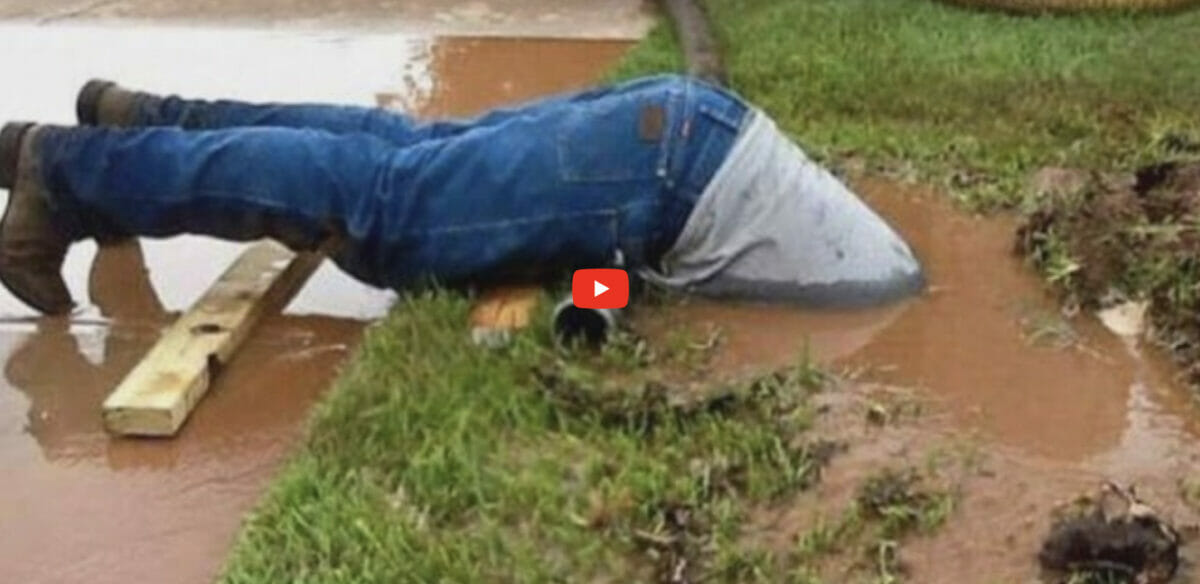
Dedicated Plumber Who Dove Into Sewer to Fix Pipe Gets Free Jeans For a Year

screenshot 2023 06 06 at 10.33.59 pm

Here is a video of a hard-working plumber who went above and beyond the call of duty to fix a broken pipe is going viral. A homeowner snapped this shot of Jimmie Cox diving into murky water to try and fix the problem. Inside Edition connected Cox with Mike Rowe of Dirty Jobs, who commended the plumber for his dedication to his dirty job. A photo of a hard-working plumber who went above and beyond the call of duty to fix a broken pipe is going viral. A homeowner snapped this shot of Jimmie Cox diving into murky water to try and fix the problem. Inside Edition connected Cox with Mike Rowe of Dirty Jobs, who commended the plumber for his dedication to his dirty job. Cox was photographed with only his legs still dry and wearing Wrangler jeans, so the company is also giving him a year’s supply of pants.


The Pipe Coater

pipe coater

The Pipe Coater is able to slide through small diameter pipe, maneuver around 90 degree turns and offsets, and spray the interior of the pipe (up to 250 feet per entrance) with 100% polyurea.